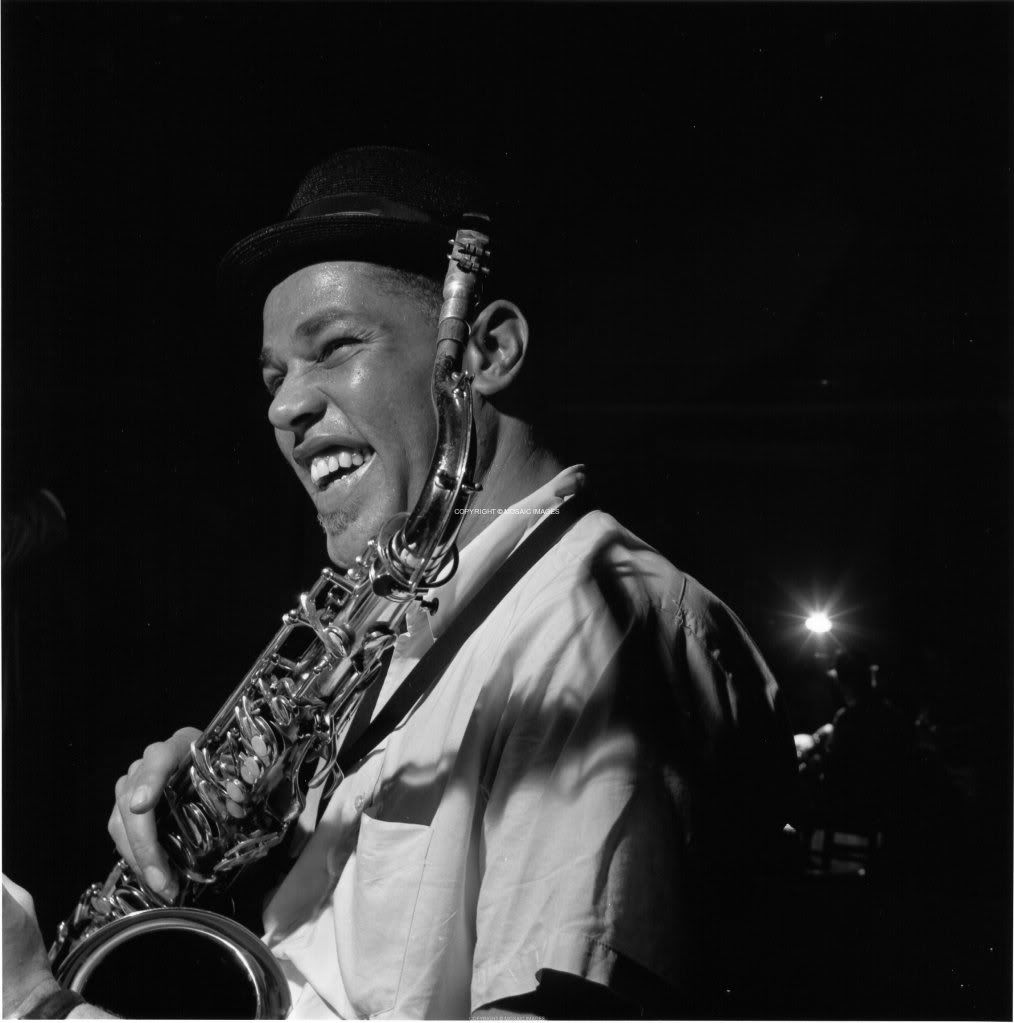
Showing posts with label Dexter Gordon. Show all posts

Saturday, October 19, 2019

Stop For Bud (1963)

In 1963, a short experimental film was made about Bud Powell. Half a century later, some musings on that Danish film and on Bud himself.


Bud means the wind if you are a Farsi speaker. Thus, for me, the name defines the music. Although he is one of my favorite pianists in jazz—whom I discovered through the Bud Plays Bird LP—he is never as fiery as one would expect from the wind. He is a bipolar giant. When playing I Remember Clifford at the Golden Circle club in Sweden, it seems the music might stop at any second. The melody blurs. The harmonies become foggy. The beat tends to get lost, and then, a moment later, found again. The seemingly dying music continues for nearly nine minutes. Through Clifford Brown's memory, Bud is lamenting himself, his very existence.

Sunday, November 15, 2015

Best Of American Jazz In Paris (Studio Recordings)

Image courtesy of Vogue Records.

25 Greatest Jazz Records by Americans in Paris


The Infinity of Lists, by Umberto Eco, is among the titles on my to-read list, though even before opening the book, and judging from the cover, I can catch the point and apply it to this list of my favorite studio recording of American jazz musicians in Paris.

The relationship between Paris and musicians has been mostly a love affair, started from the early years of jazz and continued to this day, with the post war years as the peak of interest, visits and involvement in Parisian scene. The curiosity about jazz, similar to that of African artwork revival in the early 20th century Paris, was expanding in various directions in the years between early 1950s and late 1960s. Jazz appeared in or influenced French literature and cinema, while I'm sure, the connection between this American art and France goes beyond these two primary examples.

With a long history of hosting American jazz musicians and giving them the space to play and record, the Paris-recorded albums are too important to remain unlisted. This is one attempt to pay a closer listen to the Parisian jazz records.

These are recordings I have listened to and mostly loved over the years, knowing that there are still hundreds of recordings there, waiting to be rediscovered. Probably you will notice the absence of more contemporary albums on the list, but that can be explained in regard to the current international status of jazz and the blurred concepts of nationality and borders in the 21th century jazz scene. Now, appearing in a Parisian studio or a concert hall is nothing unusual or unique for any internationally recognized artist. But I reckon, back in the 1950s, it must have been a rare experience being present and recording in Paris for someone like Gerald Wiggins. This uniqueness is derived from, among many other things, the status of Afro-Americans in France and the fact that they have been cherished as artists and seen as heroes of the Existentialist and Anti-colonial movements of the post war period. Many of these notions remained a romantic and flawed reading of jazz history, but the recorded documents tell of a joy and sense of exploration which was bestowed to the musicians because of the place of recording.

This list was initiated as a part of my short-lived jazz program, targeted for Iranian listeners, which ran between 2011 and early 2012. The episodes 22 to 24 were titled Jazz In Paris, and during three sessions I played many tracks from the albums I've listed here. They are available here, here and here.

Wednesday, September 18, 2013

Crash Course on Bud Powell


"Bud was totally immersed in music -- his one constant reality. Even when there was no instrument available, he could hear the sounds. Once when a friend visited him in hospital, Bud sketched piano keys on the wall. 'Listen, what do you think of these chords,' he asked while he banged his fingers against the drawing."

This anecdote which is narrated by the deep voice of David W. Niven is the essence of Bud Powell, the subject of this new post. And also this post happens to be the 400th on Take the "A" Train, so in a sense you may call it a celebration too.

The plan is to study Bud Powell though the tapes of archivist David Niven. Please note that a few seconds of silence exists between the end of side A of each tape and the beginning of side B. The side reversal happens automatically for each tape.

I've already posted Bud-related materials here, including a note on a Danish film about the pianist, and a handful of interviews. For completion sake, be aware of the seminal Bud Powell book, Wail: The Life of Bud Powell by Peter Pullman which is described by its author as an "unsentimental biography—not hagiography—of a major jazz artist." Pullman continues: "It’s based as much on an exhaustive look at the public record and press on Powell, as it is on eyewitness accounts of his live performances and on personal opinions of his private life—in addition to subjective assessments of his studio recordings. The book treats all of these accounts as so many pathways to understanding the central paradox of the musically explosive yet emotionally impassive Powell: How could he have played with such rhythmic euphoria (and romantic feeling!) and, yet, seldom if ever have allowed anyone to see the physical and psychic pain that he was often enduring?"

For ordering the paper edition of Bud Powell book, email the author directly at pullman_peter[at]yahoo.com.

This crash course features some 500 minutes of Powell's romantic agony (i.e. music), and as it has been the case with great art, his pain will be your incalculable pleasure.

Saturday, April 28, 2012

Liner Notes for Dexterritory Album


Sweet tenor lifting/All American sorrows/Raises mouthpiece to mouth/And blows to finger” – Jack Kerouac


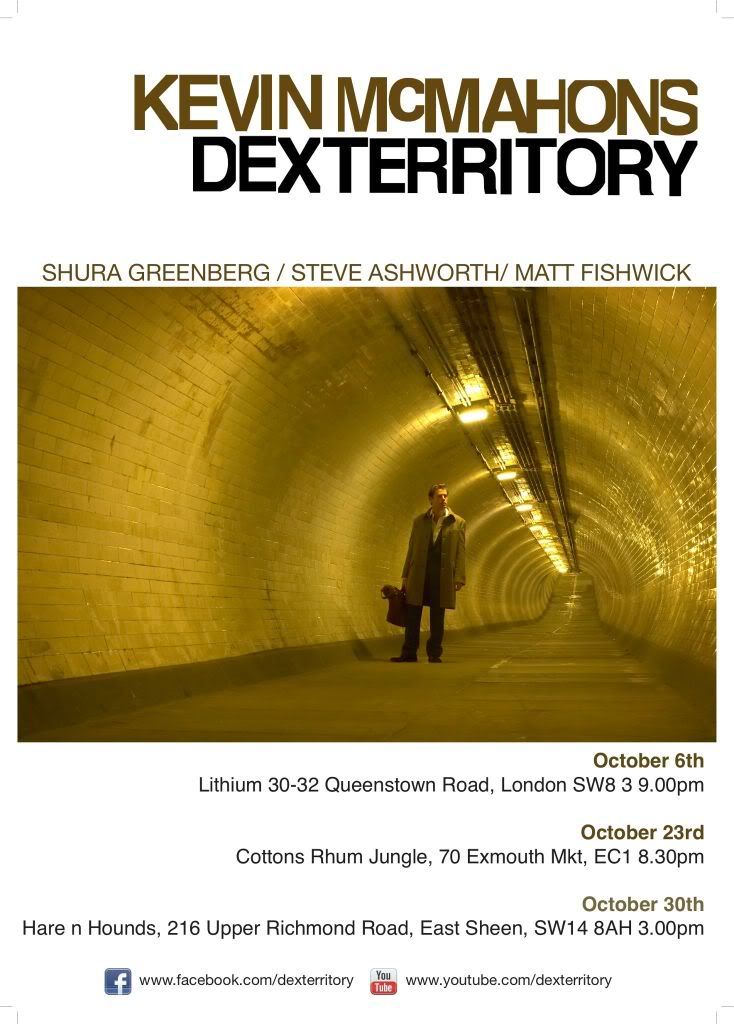
My first encounter with "Dexterritory" was in the cellar of Oliver’s, a tiny and atmospheric music club in Greenwich, London. There, I was introduced to a quartet which was entirely dedicated to performing the music of Dexter Gordon (1923-1990).

The leader and tenor player, a stubborn Irish musician, is Kevin McMahon who plays his hot and cool music on this record. This set is the first documented stop on their long journey to rediscover Dexter Gordon, not only as a giant tenorman, and surely a gentle one, but as a composer. Dexter’s pen, as well as his playing, reflects a powerful swinging and highly rhythmic mind that in spite of its speed and robust attack, remains tender and even divine.

Sunday, January 15, 2012

Radio Hawkins#22: Americans in Paris I

راديو هاوكينز: جاز براي ايران
اپيزود 22
آمريكايي ها در پاريس
بخش اول

اين جا بشنويد


فهرست قطعات

All recorded in Paris, with exception of the first track, recorded in New York City.

Coleman Hawkins & Manny Albam Orchestra
I Love Paris
Chauncey Welsch (tr), Romeo Penque (t), Ray Beckienstein (f, sax), Al Epstein (f, sax), Coleman Hawkins (ts), Marty Wilson (vibe), Barry Galbraith (g), Hank Jones (p), Arnold Fishkin (b), Osie Johnson (d)
July 9, 1956

Sonny Criss
Don't Get Around Much Anymore
Sonny Criss (alto sax), Georges Arvanitas (org), Rene Thomas (g), Pierre Michelot (b), Philippe Combelle (d)
April 22 or 25, 1963

Dizzy Gillespie
Serenity
Dizzy Gillespie (tp), Kenny Drew (p) Niels-Henning Orsted Pedersen (b) Kenny Clarke (d)
April 13, 1973

Ben Webster
Johnny Come Lately
Ben Webster (ts), Georges Arvanitas (p), Jacky Samson (b) , Charles Saudrais (d)
June 5, 1972

Dexter Gordon
Broadway
Dexter Gordon (t), Bud Powell (p), Pierre Michelot (b), Kenny Clarke (d)
May 23, 1963

Chet Baker
Oh You Crazy Moon
Chet Baker (t), Phil Markowitz (p), Jean-Francois Jenny Clark (b), Jeff Brillinger (d)
Dec 28, 1978

Cannonball Adderley Quintet
Walk Tall
Nat Adderley (t), Cannonball Adderley (alto sax), Joe Zawinul (p), Sam Jones (b), Louis Hayes (d)
March 27, 1969

Joe Newman Quintet
Lover Man
Joe Newman (t), Frank Wess (ts), Maurice Vander (p), Eddie Jones (b), Sonny Payne (d)
October 8, 1956

Cootie Williams
Mood Indigo
Cootie Williams (t), George Clarke (ts), Arnold Jarvis (org), Larry Dale (g), Lester Jenkins (d)
January 31, 1959

Bill Evans Trio
What are you doing the rest of your life?
Bill Evans (p), Eddie Gomez (b), Marty Morrell (d)
February 6, 1972

Ahmad Jamal
Bellows
Ahmad Jamal (p), Joe Kennedy Jr. (violin), Calvin Keys (g), Jeff Chambers (b), Yoron Israel (d), Manolo Badrena (percussion)
October 26, 1996

Sunday, November 27, 2011

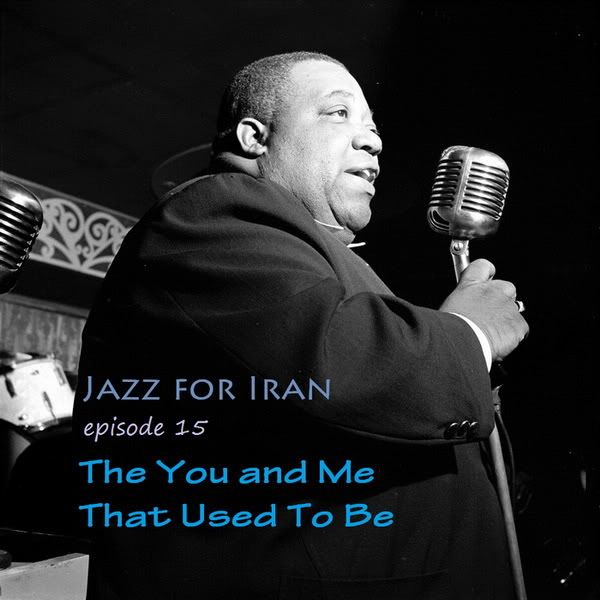
Radio Hawkins#15


 برنامه پانزدهم راديو جاز براي ايران
تقديم به جيمي راشينگ

مضامين اين برنامه
من و تويي كه قرار بود باشيم، شِكوِه، آخر شب و شايد خيلي دير، دوستت دارم و همينه كه هست، چند آمريكايي در پاريس، آذرماه در خراسان، خسته ام اما حتي خسته ام از تو سرخوش تر است، سمينار موزيسين ها، عاشقانه ها به روايت سويينگ چي ها، جاز ساخته شده براي و به وسيلۀ مردم، خانه


با آثاري از
جيمي راشينگ
آرت بليكي، زوت سيمز، فوبي اسنو، بابي تيمونز، دكستر گوردون، باد پاول، لي مورگن، بانكي گرين، و بسياري غول هاي ديگر

اپيزود پانزدهم

دانلود با كيفيت بالا (1) يا (2) و با كيفيت متوسط و حجم پايين تر اين جا

Sunday, October 2, 2011

Musicians on Musicians#2: Kevin McMahon and 5 tenor


I met Kevin McMahon, an Irish tenor saxophonist, last winter. His is capable of executing beautiful, and slow-talking phrases on his instrument. He can do mournful treatments of ballads, and at the same time he can be aggressive, when playing bop standards is concerned. He is developing a huge and edgy sound and love to play with chord sequences that can move listeners, instantly. No need to say, he was heavily influenced by his idol, Mr Dexter Gordon, and he was calling his project of playing Dexter's composition with his quartet, "Dexterritory".

His quartet was consists of Shura Greenberg, an inspiring bass player, Steve Ashworth, a pianist who loves Cedar Walton, and Matt Fishwick on drums (though drummer's chair has been owned by a number of other musicians since then). In a tiny band stand of Oliver's at Greenwich London these cats had their own way of saying thank you to Dexter Gordon. They showed a good taste in returning to Dexter Gordon's Blue Note years and finding some of the best tunes ever written in the idiom of hardbop and rearranging them for a contemporary quartet. The list includes pieces like Hanky Panky, Ernie's Tune, Society Red, Second Balcony Jump and Cheese Cake, and the focus was on solid, bluesy, marching beat of this tunes.

Recently I asked him about the tenormen who have inspired him. Of course, top of the list belongs to Dex, and after that come these names:

Dexter Gordon: I bought the Ballads album when I was twenty-two and listening one afternoon I recall saying to myself this is why I want to play saxophone, funny that its nearly twenty years later that my band "Dexterritory" are working on presenting some of his Music. His Importance is gigantic, a tenor bridge between the swing and bob players of his generation. His contribution to hard swinging Bop unsurpassed, not to mention his coolness and manner, a sophisticated Giant indeed.
I'm a fool to want you

Stan Getz: Serenity was the first album I really checked out and I still get mileage from it, actually was just listening I Remember You from the live album. As Coltrane remarked "we'd all sound like Stan if we could". His sound and lyrical quality are simply outstanding. Stan is old Blue Eyes for me on Tenor. 
 
Sunday

Joe Henderson: I was lucky enough to meet Joe twice both briefly, he was a gentleman. His playing like all of the greats was stamped with a instantly recognizable sound...and what a sound. I do prefer the later recordings particularly the records he made playing the music of Jobim and Miles. Go Joe....
Recorda Me

John Coltrane: Could not be omitted from my top Five. My favourite albums are Lush Life and the record he made with baritone Johnny Hartman. Trane was the endless searcher for truth and an inspiration to any man.
Giant Steps

Richie Buckley: Richie is  from a big musical family in Dublin, be sure to check him out if your over there. He is an amazing saxophone player and has been a factor in my wanting to play. Has all the qualities of a master musician. He made a record a few years back called Your Love Is Here

Saturday, July 23, 2011

A Guide to Best Jazz Scores for Cinema#4

10
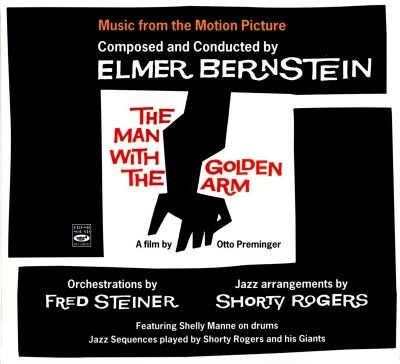
Elmer Bernstein
The Man With The Golden Arm
1955
Otto Preminger

Jazz parts arranged by: Shorty Rogers. Musicians: Shorty Rogers/Pete Candoli/Conte Candoli/Bob Fleming (t), Ray Sims/Milt Bernhart/Frank Rosolino (tr), Bill Holman/Jack Montrose/Jimmy Giuffre/Ted Nash/Bud Shank/Bob Cooper (reeds), Martin Ruderman (f), Arnold Koblentz (oboe),  Mitchell Lurie (clar), Joseph Eger (french horn), Anatol Kaminsky (violin), Armand Kaproff (cello), Ray Turner/Lou Levy (p)/Joe Mondragon/Abe Luboff/Ralph Pena (b), Shelly Manne (d).

Drummer Shelly Manne was also credited as ‘personal assistant' to Mr Preminger and as ‘tutor' to Mr Sinatra. 
Clark Street from the soundtrack


9
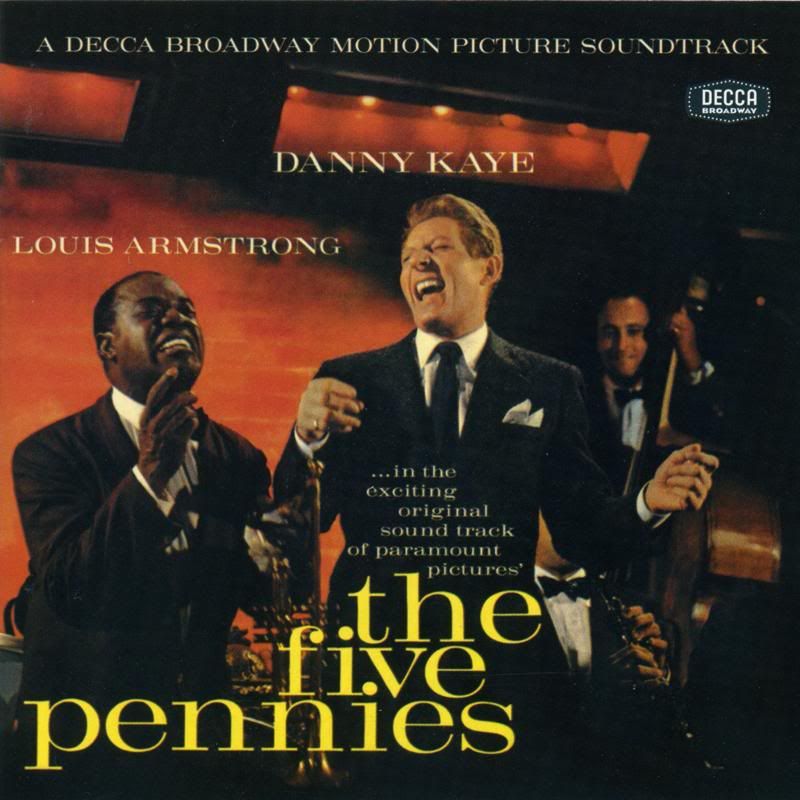
Leith Stevens
The Five Pennies
1959
Melville Shavelson

Music Arranged by: Heinie Beau, Benny Carter, Alexander Courage. Musicians: Red Nichols (t), Moe Schneider (tr), Heinie  Beau (clar), Benny Carter (as), Eddie Miller (ts), Wayne Songer (bs), Joe Rushton (bass sax), Gene Plummer (p), Morty Corb (b), Shelly Manne (d), Eileen Wilson (voc).

With appearences by Shelly Manne (as Dave Tough) and Louis Armstrong (t/voc), Trummy Young (tr), Peanuts Hucko (clar), Billy Kyle (p), Mort Herbert (b), Curtis Counce (b), Danny Barcelona (d).


8
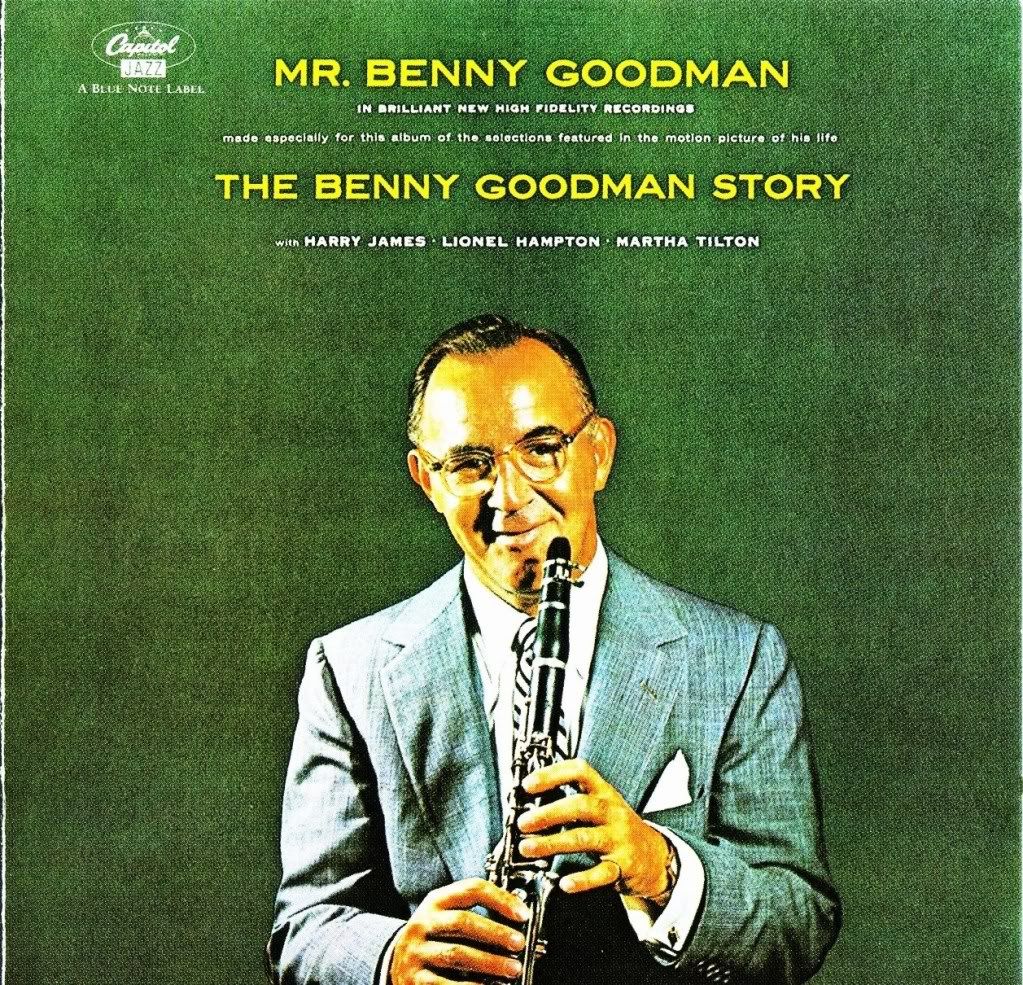
Henry Mancini/Benny Goodman
The Benny Goodman Story
1955
Valentine Davies

Musicians:
clarinet: Benny Goodman and Sol Yaged.
saxes: Hymie Schertzer, Blake Reynolds, Stan Getz, Babe Russin.
trumpets: Buck Clayton, Chris Griffin, Conrad Gozzo, Irving Goodman.
trombones: Urbie Green, Murray McEachern, Jimmy Priddy.
Rhythm section: Teddy Wilson (p), Allan Reuss (g), George Duvivier (b), Corky Hale (harp), Gene Krupa (d).

Also with appearances by Lionel Hampton, Teddy Wilson, Gene Krupa, Ben Pollack, Kid Ory, Urbie Green, Buck Clayton, Stan Getz, Harry James, Martha Tilton, Ziggy Elman, Alvin Alcorn.

Sing, Sing, Sing


7
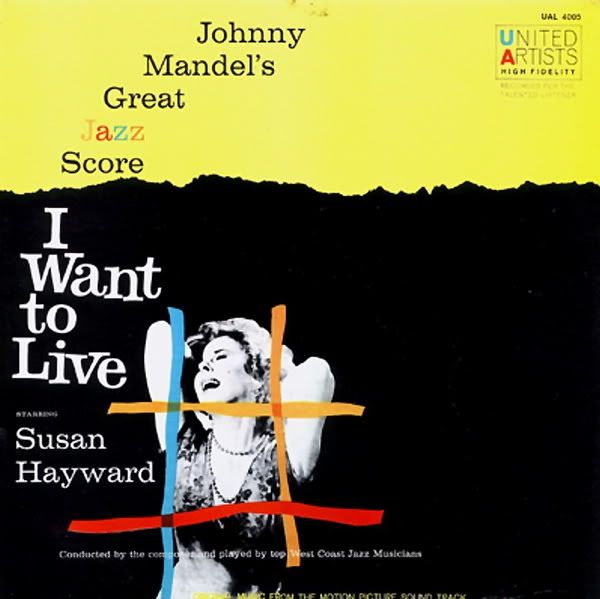
Johnny Mandel
I Want to Live!
1958
Robert Wise

Musicians:
trumpets: Jack Sheldon, Al Porcino, Ed Leddy.
trombones:Frank Rosolino, Milt Bernhart, Dave Wells.
French horns: Vince DeRosa, Sinclair Lott, John Cave, Dick Parisi.
piccolo, flutes: Harry Klee.
clarinets: Abe Most, Joe Maini, Bill Holman, Marty Berman.
saxes: Bill Holman, Chuck Gentry.
pianists: Russ Freeman, Pete Jolly.
guitar: Al Hendrickson.
bass: Red Mitchell.
drummers: Shelly Manne, Larry Bunker, Mel Lewis, Milt Holland, Mike Pacheco.

In the opening jazz club sequence, Art Farmer (t), Frank Rosolino (tr), Bud Shank (as),  Gerry Mulligan (bs), Pete Jolly (p), Red Mitchell (b), Shelly Manne (d) appear as themselves.
The title music


 6
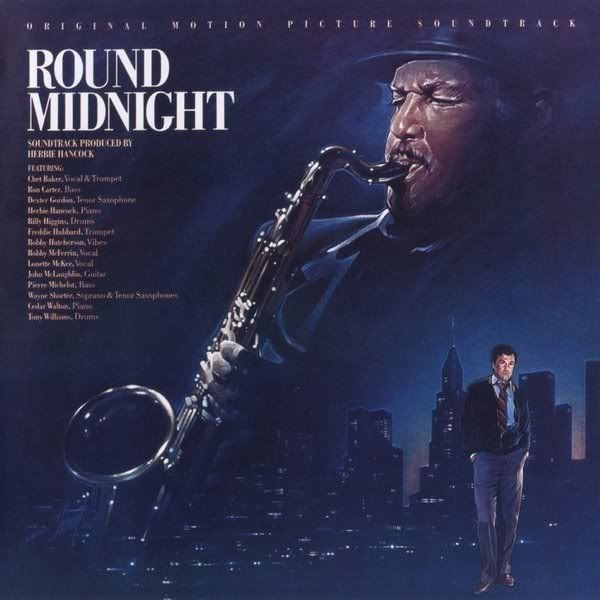
Herbie Hancock
Round Midnight
1986
Bertrand Tavernier

Musicians: It worth mentioning all line-ups in the film
Herbie Hancock (p), Ron Carter (b), Tony Williams (d), Bobby McFerrin (voc)
Dexter Gordon (ts), Herbie Hancock (p), Pierre Michelot (b), Billy Higgins (d)
Herbie Hancock (p), John McLaughlin (g), Pierre Michelot (b), Billy Higgins (d)
Chet Baker (t/voc), Herbie Hancock (p), Pierre Michelot (b), Billy Higgins (d)
Dexter Gordon (ts), Bobby Hutcherson (vib), Herbie Hancock (p), Pierre Michelot (b), Billy Higgins (d)
Wayne Shorter (ts), Herbie Hancock (p), Pierre Michelot (b), Billy Higgins (d)
Dexter Gordon (ts), Herbie Hancock (p), Pierre Michelot (b), Billy Higgins (d), Lonette McKee (voc)
Freddie Hubbard (t), Dexter Gordon (ts), Cedar Walton (p), Ron Carter (b), Tony Williams (d)

Listen to Round Midnight (a Monk composition) performed by Hancock/Carter/Williams/McFerrin


Return to Part 3                                                     Go to Part 5

Sunday, June 27, 2010

Dexter Gordon


دکستر گوردون
27 فوریه 1923 لس آنجلس – 26 آوریل 1990
یکی از بزرگ‌ترین نوازندگان ساکسفون ِ تنور، هم از نظر توانایی‌اش در دمیدنی قدرتمند و پرشور به ساز (چیزی بین کلمن هاوکینز و لستر یانگ) و هم از نظر قد و ارتفاع (198 سانتي متر!) صدای ساز او پر طنین و نافذتر از بسياري ساکسفونیست‌های پس از جنگ بود و تخصصش دراجراي بالادها در تاریخ جاز یگانه باقی مانده است.
در 13 سالگی با کلارینت تمرین می‌کرد اما کمی بعد به ساکسفون تنور تغییر ساز داد. لوید ریز(Lloyd Reese) که چارلز میگوس و بادی کولت را هم تعلیم داده بود معلم او شد. در اوایل دهه 1940 به لایونل همپتون پیوست و سه سال بعد به عنوان لیدر اولین کارهایش را ضبط کرد. با لویی آرمسترانگ و دیزی گیلسپی کار کرد و در 1944 به ارکستر بیلی اکستاین پیوست. با ضبط The Chase که نمایش قدرت بین دو ساکسفونیست تِنور، دکستر و واردل گری (Wardell Gray)، بود نظر منتقدان را جلب کرد. این ضبط‌های اولیه مهم همه برای کمپانی ساووی (Savoy) انجام شده‌اند. در دهه 1960 ، پس از سال‌ها، از شر اعتیاد به مواد مخدر خلاص شد و به کمپانی بلونت (Blue Note) پیوست و صفحات زیادی برای آنها ضبط کرد که مشهورترین کارهای گوردون را شامل می‌شوند.
در 1962 به لندن رفت و براي 15 سال در اروپا باقی ماند. بیشتر این دوران را در کپنهاک گذراند، جایی که غالباً در کلوب مونتمارتر ظاهر می‌شد و با کوارتتی كه پيانيستش کنی درو بود، اجرای برنامه می‌‌كرد. در 1976 به آمریکا بازگشت و در خاموشی صدای مهم‌ترین ساکسفونیست‌های جاز، از او همچون یک شوالیه استقبال شد. کنسرت بازگشت او در ویلیج ونگارد یکی از پرفروش‌ترین آلبوم‌های جاز دهه 1970 شد. در 1986 در شاهکار سینمایی برتران تاورنیه، «حوالی نیمه شب» ('Round Midnight) نقش دیل ترنر را بازی کرد که در واقع زندگی غم‌بار باد پاول در پاریس و دوستی او با یک فرانسوی عاشق جاز است که در سال‌های واپسین، او را به خانه خود می‌آورد. گوردون برای این ایفای نقش استثنایی نامزد جایزه اسکار شد.
سال‌های سرنوشت سازی که دکستر در عصر سویینگ و در ارکسترهای بزرگ آن دوران گذراند و همین‌طور قرار گرفتن در قلب دوران انقلابی باپ او را به نوازنده‌ای با تبحر در هر دو شکل نواختن تبدیل کرد. در واقع بهترین کارهای دکستر استادانه به روی لبه‌ای باریک گام بر می‌دارند که قلمروی مشترک باپ و سویینگ است. گهگاه در صدایش نوعی پرخاش احساس می‌شود که با نواختن همواره رو به اوج – که از ریشه‌های سویینگ او بر می‌خواست- می‌توانست شنوندگان را آزار بدهد اما به نظر من بعضي بهترین لحظات دکستر گوردون به عنوان یک ساکسفونیست درهمین موقع بود. باید به نمونه‌های بزرگی مانند «شبی در تونس» (a night in Tunisia) رجوع کرد تا قدرت و انرژی بی‌پایان او را به عنوان یک نوازنده درک کرد.
قطعه انتخابي من يكي از بالادهاي دكستر از سال 1961 است. ضبط شده براي بلونت. ترومپت (يكي از زيباترين سولوهاي ترومپتي كه در يك بالاد شنيده‌ام) فردي هوبارد. پيانو: بري هريس. باس: باب كرن‌شاو. درامز: بيلي هيگينز. اسم قطعه هست I’m A Fool To Want You و فرانك سيناترا آن را نوشته است.


Tuesday, October 27, 2009

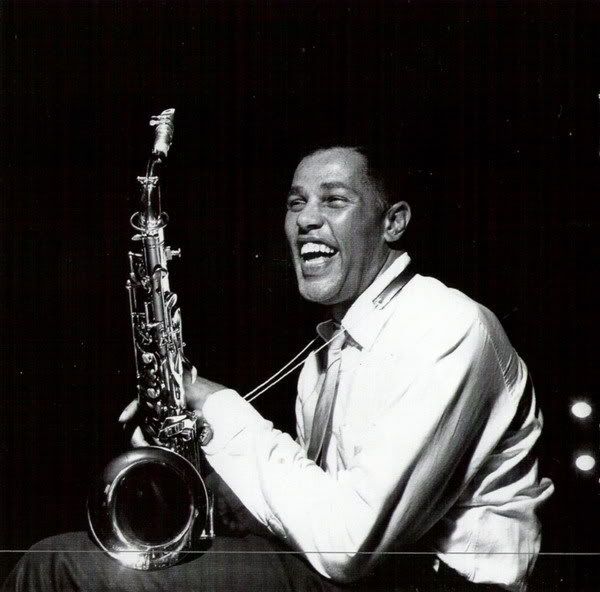
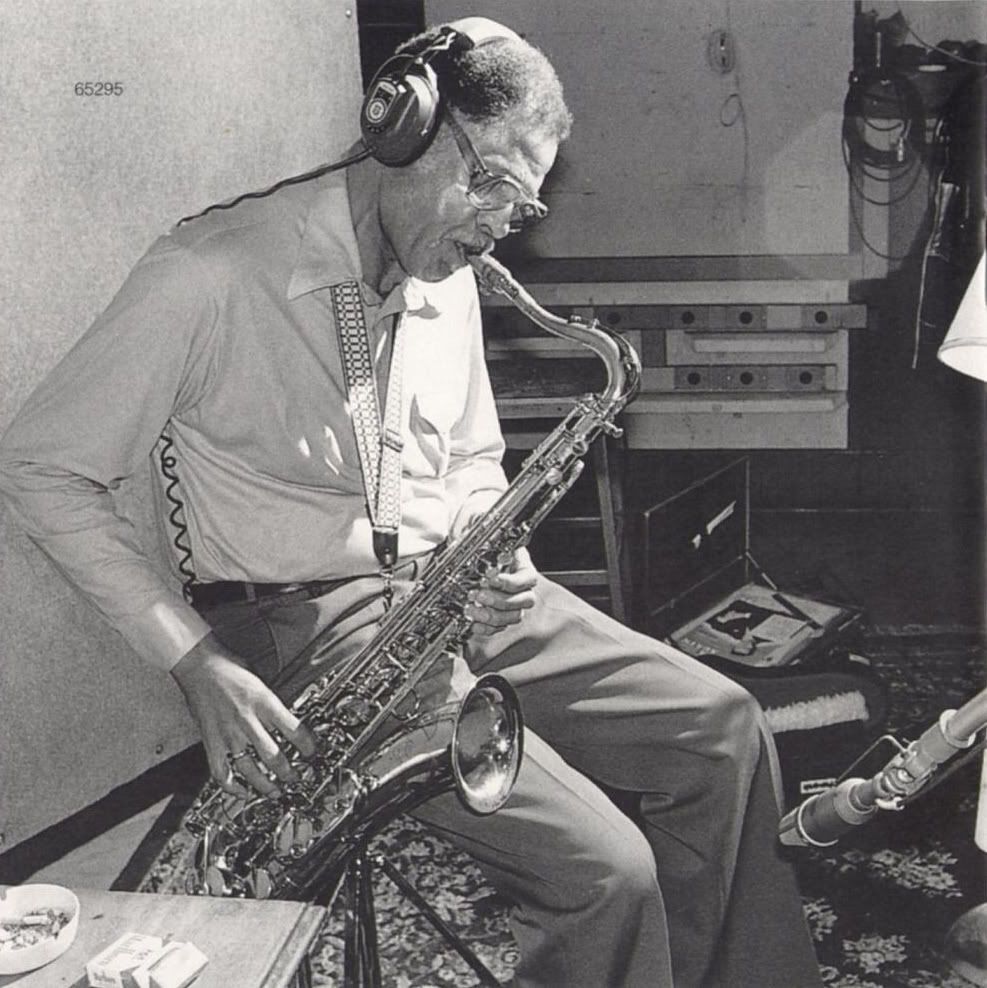
Dexter Gordon Photos

A tower of power; Montreux Jazz Festival, 1970


Montreux Jazz Festival, 1977

Tuesday, September 15, 2009

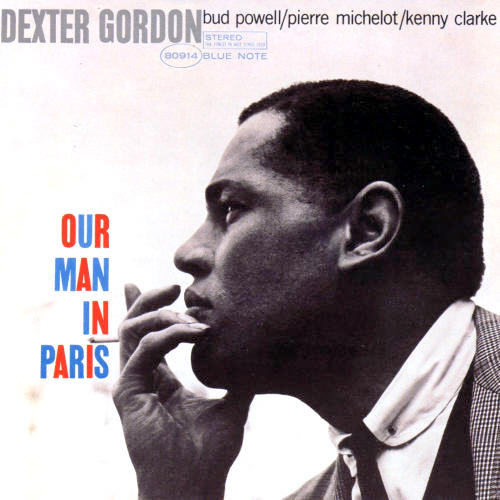
Our Man In Paris (1963)

اگر می خواهید دکستر گوردون را در اوج خود ببینید، اگر می خواهید صدای ساکسفون تنور را در غول آساترین شکل خود بشنوید، اگر می خواهید ببینید که چگونه بخش ریتم می تواند مثل قلب یک آدم عمل کند، اگر می خواهید سال های هجرت و تنهایی پاریسی دکستر و باد پاول و کنی کلارک را دریابید، اگر می خواهید ببینید که چگونه دایناسورهای جاز با استانداردها غوغا می کنند و کاری می کنند که حتی خود آقایان گرشوین و راجر و هارت و دیگران هم نغمه های خود را به خاطر نیاورند، اگر می خواهید ببینید Hard Bop واقعاً یعنی چه، اگر می خواهید ببینید نسل چارلی پارکر چگونه وارد مرحلۀ جدیدی از مدرنیزم در موسیقی جاز می شوند به این آلبوم، غزل غزل های دکس، Our Man In Paris گوش بسپارید.

[آلبوم در دو بخش در رپید شیر وجود دارد. بخش اول و بخش دوم]

Personnel: Dexter Gordon (tenor saxophone); Bud Powell (piano); Pierre Michelot (bass); Kenny Clarke (drums)

Recorded at CBS Studios, Paris, France on May 23, 1963.
Originally released on Blue Note (4146).
Includes liner notes by Nat Hentoff and Bob Blumenthal.

Tracks:
1. Scrapple From The Apple
2. Willow Weep For Me
3. Broadway
4. Stairway To The Stars
5. Night In Tunisia, A
6. Our Love Is Here To Stay - (bonus track)
7. Like Someone In Love - (bonus track)