All-American News was a weekly newsreel produced for the African-American audiences, the first of its kind in the US. At the beginning, it served the war propaganda machine by encouraging the black Americans to join the war effort but in the process it managed to capture some other aspects of African-American life, including arts.
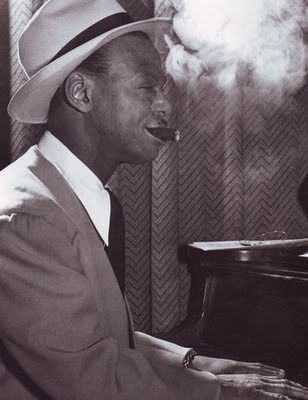
Some of these weekly items are available on the website of the Library of Congress. Surprisingly, jazz gets very little mention in them, even though the series ran until the 1950s. One exception is an episode from November 1944 which visits the legend of jazz piano, Earl "Fatha" Hines, catching up with him during his celebration of "twenty years in show business." There is a brief interview and scenes from cutting a cake. You can view this segment of All-American News#12 concerning Hines here:
The Spanish National TV, RTVE.es has generously made online a considerable number of its invaluable jazz programmes, including this treasure from 1976, set in Barcelona, with two giants, Benny Carter and Earl Hines, swinging at ease and delightfully performing classics and standards of the old days.
The majestic Palau de la Música Catalana, designed by architect Lluís Domènech i Montaner, perfectly suits the elegance of two maestros on stage and their charming combination of the old and the new.
The rhythm section is composed of Hines' team of 76 with Harley White Jr. on bass and Eddie Graham on drums.
It was in the same year that Carter played along with Ray Bryant, Milt Hinton and Grady Tate at Michael's Pub in New York, where the imminent Whitney Balliett caught him live and mused: "His saxophone solos gave the effect of skywriting: each hung complete in the air before being blown away by the succeeding soloist...he was a handsome man, with intelligent, questing eyes and hundred-watt teeth."
(A detail of ) London Jazz Festival poster, designed by Damien Frost
There are hundreds of live and studio recordings made by visiting or resident American jazz musicians in London. This list, a new installment in the series I started with Paris and jazz, picks those London albums that I've liked most.
Since 1939, when Fats Waller paid a visit and composed a suite celebrating London's neighborhoods and monuments, most of the jazz greats have appeared in and around the city. The crippling union regulations stopped many musicians from performing in the clubs until the 1960s, and the life expenses and poor weather drove many of them towards the Continent for permanent or semi-permanent stays. Yet, thought the past century, London with its passionate jazz buffs and a good deal of jazz literature remained an unmissable temporary stop for the musicians, as well as musical ideas, travelling from the United States to Europe.
The 15 albums below, obviously emphasising a certain attitude or taste which might not be everybody's, are some personal favourites from the most vital decades of jazz in Britain. Be sure, there are still hundred or more to name. (While picking your favourite albums be aware that there are famous records - Basie in London, for one - which were never recorded in London!)
Here is the list of 15 favourite jazz albums recorded by visiting Americans in London:
The Infinity of Lists, by Umberto Eco, is among the titles on my to-read list, though even before opening the book, and judging from the cover, I can catch the point and apply it to this list of my favorite studio recording of American jazz musicians in Paris.
The relationship between Paris and musicians has been mostly a love affair, started from the early years of jazz and continued to this day, with the post war years as the peak of interest, visits and involvement in Parisian scene. The curiosity about jazz, similar to that of African artwork revival in the early 20th century Paris, was expanding in various directions in the years between early 1950s and late 1960s. Jazz appeared in or influenced French literature and cinema, while I'm sure, the connection between this American art and France goes beyond these two primary examples.
With a long history of hosting American jazz musicians and giving them the space to play and record, the Paris-recorded albums are too important to remain unlisted. This is one attempt to pay a closer listen to the Parisian jazz records.
These are recordings I have listened to and mostly loved over the years, knowing that there are still hundreds of recordings there, waiting to be rediscovered. Probably you will notice the absence of more contemporary albums on the list, but that can be explained in regard to the current international status of jazz and the blurred concepts of nationality and borders in the 21th century jazz scene. Now, appearing in a Parisian studio or a concert hall is nothing unusual or unique for any internationally recognized artist. But I reckon, back in the 1950s, it must have been a rare experience being present and recording in Paris for someone like Gerald Wiggins. This uniqueness is derived from, among many other things, the status of Afro-Americans in France and the fact that they have been cherished as artists and seen as heroes of the Existentialist and Anti-colonial movements of the post war period. Many of these notions remained a romantic and flawed reading of jazz history, but the recorded documents tell of a joy and sense of exploration which was bestowed to the musicians because of the place of recording.
This list was initiated as a part of my short-lived jazz program, targeted for Iranian listeners, which ran between 2011 and early 2012. The episodes 22 to 24 were titled Jazz In Paris, and during three sessions I played many tracks from the albums I've listed here. They are available here, here and here.
These recordings document Earl Hines' return to the top after a decade of obscurity in the West Coast. Here, on a March 7, 1964 date from the Little Theater in New York City, Hines teams up with bassist Ahmed Abdul-Malik and drummer Oliver Jackson for a triumphant return to form. For three numbers, his band member from the 1940s, Budd Johnson, sits in.
I'll play a tape from David W. Niven's collection, featuring some of tunes The Earl Hines Trio (and Quartet) played during this particularly significant engagement, but before that, I invite you to read the passionate notes written by the co-organizer of the event, David Himmelstein, and passages of the New Yorker review of the concert by Whitney Balliett, both as exquisite as the recordings:
"I'm a band pianist, you know. I've never given a concert like this before," said Earl 'Fatha' Hines shortly after his arrival in New York City during the first week in March 1964. The news of this historic "first" was only the beginning of a series of surprises that Hines, after a give year absence from the New York scene, was to unveil at the three weekend concerts that were part of the Jazz On Broadway series at the Little Theatre, produced by Down Beat’s New York editor, critic Dan Morgenstern and myself [David Himmelstein]. The astonishing fact that Hines - the man who can safely be said to have singlehandedly made the piano a significant solo voice in the jazz band and whose instrumental style directly influenced the course of jazz through Bud Powell - had never given a piano recital is no less remarkable than the semi-obscurity into which he had slipped during the 1950s.
The music presented here is resulted from, by all means, a surprise session. An ad-hoc band with a line up that even a wild imagination can not conceive. First and most, it features the father of jazz piano Earl Hines and the most revolutionary figure of modern jazz, Charles Mingus. Still, there is more to this 67 years old wine.
Toward the end of the 40s, the size and the success of Earl Hines Orchestra, like most other big bands of that era, drastically shrank, and in 1947, when these sides were cut, it broke up for good. Shortly after, Hines joined Louis Armstrong All Stars and probably earned more money as a "sideman" than what he was gaining as the leader of the most adventures big band of the 40s.
In a cold day in Chicago, on December 31, 1947, Hines borrowed a "cast" from Lionel Hampton's big band that happened to be in town for a national tour and whose second bass player happened to be Mr Charlie Mingus. During the date, Hines and the Hampton men recorded four sides on 78rpm records.
For a rather predictable version of The Sheik of Araby, which opens with Hines on piano, Morris Lane was shortly yet brilliantly featured. Lane had a huge sound, like a crossover between Ben Webster and Coleman Hawkins, and readers of this blog probably know him better for being a member of Bebop Boys, a recording group of Savoy artists, including Sonny Stitt, Fats Navarro, Bud Powell and Kenny Clarke.
This scene comes from Love You Madly, one of the best Ellington documentaries which was originally made for TV in the west coast. The interviews are conducted by Ralph Gleason.
This English documentary about the father (AKA Fatha) of jazz piano, Earl Hines, came to the online world some months ago. Beautifully shot by two-time Oscar winner DP of The Mission (Robert DeNiro, Jeremy Irons) and The Killing Fields (Sam Waterston), and directed by the Scottish TV documentary maker Charlie Nairn, it was filmed during Hines's rehearsals in the Blues Alley Club, Washington, DC.
Many thanks to the uploader Mark Bunker.
Recommended: Earl Hines with Benny Carter, another rare concert footage here.
زندگي بسيار چيز عجيبي است. آن ها فهميدند كه به طرز عيجبي در باران خيس مي شوند، در زير آفتاب گرم مي شوند، شكايتي ندارند اما نمي دانند هر روز صبح كه بيدار مي شوند چرا چيزي جز هوا براي نفس كشيدن نيست و يا چرا وقتي به آينه نگاه مي كنند چيزي جز مو براي شانه كردن وجود ندارد. سؤال هاي اين فيلسوفان شكاك تا بي نهايت (چرا در صحرا فقط شن است و در دريا فقط آب) ادامه پيدا مي كند. اين فلاسفه لويي آرمسترانگ و لويي جوردان هستند كه آهنگ «زندگي چيز عجيب و غريبي است» را در برنامۀ امروز ما اجرا خواهند كرد.
برنامۀ پنجم از هفت قطعه تشكيل شده است. در ابتدا بخشي از كاري ناتمام از چارلي پاركر را مي شنويد. بعد كاري آوازي لويي آرمسترانگ و لويي جوردن را خواهيد شنيد. دكتر يوسف لطيف و تركيب اعجاب انگيز موسيقي شرقي و موسيقي جاز و سپس تلفيق موسيقي عربي و جاز توسط احمد عبدالملك كارهايي هستند كه بسياري از وجود آن ها بي خبرند و مي شود در اين برنامه به آن ها گوش داد. در ادامه آنيتا اودِي، ارل هاينز، ليونل همپتون و استن گتز ديگر موزيسين هاي برنامه پنجم خواهند بود.
اگر هر سازی در موسیقی جاز پدری داشته باشد که زبان منحصربفرد آن را با نبوغی کاملاً فردی و تقریباً از سفر ابداع کرده باشد (چنان که کلمن هاوکینز ساکسفون تنور را معرفی کرد)، ارل "فتا" هاینز بی شک پدر تمام پیانیست های جاز است. سبک زنده و هوش ربایش پس از گذر هشتاد سال همچنان تازه، و تکنیکش یک سر و گردن بالاتر از بهترین نوازندگان این ساز از زمان موسیقی نیواورلئان در اوایل قرن گذشته تا به امروز است.
او در 28 دسامبر 1903 در دوکین پنسیلوانیا به دنیا آمد. پدرش نوازنده ترومپت و مادرش نوازنده ارگ بود. کار حرفه ای اش را از 1918 آغاز کرد و در دهه 1920 و در دنیای جاز شیکاگو یک ستاره تمام عیار شد.
او که در 21 سالگی گروهی را در یک کلوب شیکاگویی هدایت می کرد با لویی آرمسترانگ آشنا شد و در ارکسترهای او پیانو زد. در همان دوره کار با جیمی نون نوازنده کلارینت.
به مدت 12 سال در گراند تراس شیکاگو – که پاتوق گنگسترها در دوره منع مشروبات الکلی بود - به اجرای برنامه پرداخت. جو جونز ، درامر بزرگ جاز ، آن روزها را چنینی به خاطر می آورد : « تا جایی که من می دانم ارل تمام وقت مجبور بود با یک چاقو زیر گلویش و تفنگی نشانه رفته به پشتش پیانو بزند.»خدا می داند که اگر یکی از حضرات گنگسترها از شیوۀ نواختن نوازنده ای خوششان نمی آمد، اگر جانش را کف دستش نمی گذاشتند لااقل با کتکی مفصل او را برای یک ماهی روانۀ بیمارستان می کردند. هاینز در این دوران یاد گرفت که چگونه مانند بندبازی ماهر از مسیر پرخطر، بی سقوط، گذر کند.
ارکستری که هاینز در دهه 1940 راه انداخت یکی از بهترین ارکسترهای تاریخ جاز محسوب می شود و در آن بعضی از مهمترین چهره های موسیقی باپ اولین حضور حرفه ای شان را ثبت می کنند: بیلی اکستاین، سارا ون، چارلی پارکر، دیزی گیلسپی و واردل گری. این ارکستر در شکل اولیه اش نوید ترکیبی جدید و صدایی مدرن در ارکسترهای بزرگ را می داد و در شکل ثانویه اش – بعد از آمدن تمام مدرنیست هایی چون برد و دیز به آن – مقدمه ای بود برای ظهور بی باپ. هاینز ، این کلاسیست ناب خود بانی به وجود آمدن یکی از اولین ارکسترهای بزرگ بی باپ شد.
دومین اجماع آرمسترانگ و هاینز در دهۀ 1940 رخ داد و تا 1951 ادامه پیدا کرد. دهه 1950 به تورهای متعدد گذشت. در 1957 با جک تیگاردن به اروپا رفت. نیمه نخست دهه 1960 از او اخبار کمی شنیده می شد اما در1964 با کنسرت های نیویورکی که توسط استنلی دنس ، نویسنده و منتقد جاز، برنامه ریزی شده بود دوباره به صحنه بازگشت و چه بازگشتی!
ضرب کوبنده ارل بر پیانو تجسمی از انرژی پایان ناپذیر پیانیست های بزرگ دهه 1920 و 1930 بود. دان شلیتن (Schlitten) می گوید :« صدایی که روی پیانو از دست چپ هاینز بلند می شود درست مثل صدای یک گروه کامل از ترومپت چی هاست. گاهی وقتها آکوردهایی را می زند که فقط پنج ساکسفون از پس آن بر می آیند.» تحریری که در نواختن به کار می برد (و شبیه به لرزاندن صدا در سازهای بادی بود) به شعفی بدل می شد که کارهای ارل را به موجوداتی زنده شبیه می کرد. بر خلاف بسیاری از موزیسین های بزرگ جاز هر چه جلوتر می رفت و سنش بیشتر می شد ، بهتر ساز می زد. به همان اندازه که در ارکسترهای بزرگ عالی بود در گروههای کوچکی مثل تریو و کوارتت هم آسوده به نظر می رسید و سلوهای کمی از کارهای گروهی اش نداشتند. قطعات مهم زیادی وجود دارد که ارل هاینز تصنیف کرده ، قطعاتی مانند Deep forestو Rosetta.
برای شنیدن آثار هاینز ، به شکلی که تمام دوره های کاری او را پوشش دهد ، باید به سراغ این مجموعه ها و آلبوم ها (همه به صورت CD) رفت : کمپانی کلاسیکس کارهای 1928 تا 1949 او را منتشر کرده است ، آثار دهه 1950 او کمتر روی CD درآمده اند وبین آنها کاری از پرستیژ با نام «یک قرار دوشنبه دیگر» (another Monday date) بیشتر جلب توجه می کند. کنسرت های بی نظیرش با روی الدریج و کلمن هاوکینز در کلوب ویلیج ونگارد (Village Vanguard) زیر نام «تجدید دیدار بزرگ» (grand reunion) منتشر شده و کمپانی بلک لایون صاحب بهترین آثار ضبط شده او از اواسط دهه 1960 تا دهه 1970 است.
ارل در 22 آوریل 1983 درگذشت. با او خانوادۀ اشراف زادگان و اعیان والا و پابرهنۀ جاز کامل می شود: دوک الینگتون، کنت بیسی، کینگ الیور، سر چارلز تامسون، لیدی دی و پرزیدنت لستر یانگ.
[و من یک موی هر کدام از آن ها را با کل تاریخ اشرافی گری و پادشاهان و فرمانروایان و سیاستمداران تمام تاریخ عوض نمی کنم. شرم آور است که دنیا به جای ارل هاینز توسط مشتی آدم کش وقیح اداره شده و می شود.]
Earl Hines laughing out with his ex-vocalist, Billy Eckstine (standing), while Louis "Satchmo" Armstrong is looking at them. Backstage of a show, New York, 11 April, 1950.
Visit the original blog I took these photos from: Jazz In Photo