Showing posts with label Art Blakey. Show all posts

Thursday, September 15, 2016

Tete suite: The Art of Tete Montoliu


A SUPERB ANTHOLOGY OF TETE MONTOLIU VIDEOS WITH GUEST STARS ART BLAKEY, SONNY STITT, HAROLD LAND, AND MANY MORE.

If what I've heard from a Spanish friend is true, then Tete Montoliu could be the only jazz musician who didn't need his ears. The story goes that this blind musician who was also an avid football fan, and listening to the live report of El Clásico had a religious significance for him, was often annoyed by the fact that he had to play gigs during the football match. He, rather ingeniously, came up with a solution: putting an earphone in one of his ears which was not visible to the audience and listening to the live report while playing his gig. But the story becomes very complicated when one considers that the Catalan pianist was also half-deaf!

Myth or fact, he was a pianist of outstanding virtuosity and impeccable technique, as seen on various videos of him from the 1970s and 1980s, some of which presented here.

These nice all-star sessions from Spanish National Television shows him in top form in his heydays with a remarkable array of American visitors. This is a superb homage to one of the most distinctive voices in European jazz.

Ron Carter (b), Art Blakey (d)
Barcelona, April 1981

Oleo

Wynton Marsalis (tp), Bobby Watson (as), Billy Pierce (ts), James Williams (p), Charles Fambrough (b), Art Blakey (d)
Barcelona, April 1981

Billie's Bounce
Brief interview

Saturday, August 24, 2013

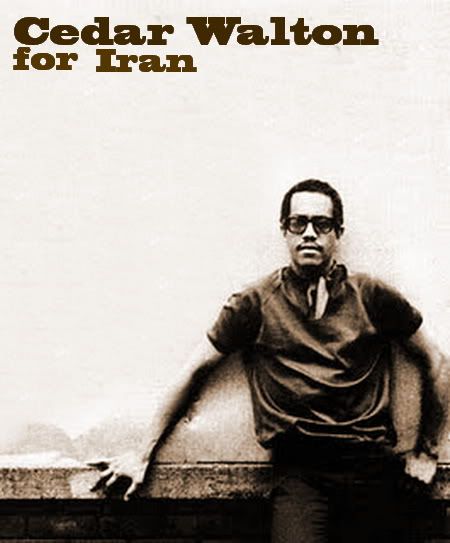
Radio Hawkins#8: Cedar Walton Sideman Years [repost]

برنامۀ هشتم
سيدار والتُن
برنامه‌اي از آثار والتُنِ پيانيستِ همراهي كنندۀ گروه ها و موزيسين هايي از 1959 تا 1979
شامل: ابي لينكُلن، آرت بليكي، آرت فارمر، جان كُلترين، لي مورگان، لاكي تامسُن، ري براون و بسياري از اساتيد ساكسوفن و ترومپت سال‌هاي پنجاه و شصت ميلادي
براي شنيدن اين برنامه كمي معلومات جمع كردن دربارۀ موسيقي هاردباپ ضرري ندارد و در اين‌جا فراهم است و آمادۀ خوانده 
شدن


با كيفيت متناسب با سرعت اينترنت ايران و تكه شده به دو قسمت براي تسهيل دانلود


Sunday, November 27, 2011

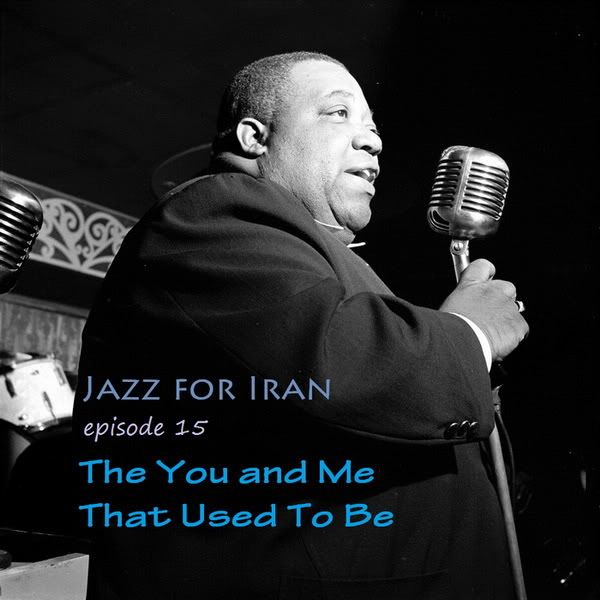
Radio Hawkins#15


 برنامه پانزدهم راديو جاز براي ايران
تقديم به جيمي راشينگ

مضامين اين برنامه
من و تويي كه قرار بود باشيم، شِكوِه، آخر شب و شايد خيلي دير، دوستت دارم و همينه كه هست، چند آمريكايي در پاريس، آذرماه در خراسان، خسته ام اما حتي خسته ام از تو سرخوش تر است، سمينار موزيسين ها، عاشقانه ها به روايت سويينگ چي ها، جاز ساخته شده براي و به وسيلۀ مردم، خانه


با آثاري از
جيمي راشينگ
آرت بليكي، زوت سيمز، فوبي اسنو، بابي تيمونز، دكستر گوردون، باد پاول، لي مورگن، بانكي گرين، و بسياري غول هاي ديگر

اپيزود پانزدهم

دانلود با كيفيت بالا (1) يا (2) و با كيفيت متوسط و حجم پايين تر اين جا

Tuesday, June 28, 2011

A Guide to Best Jazz Scores for Cinema#3

15 
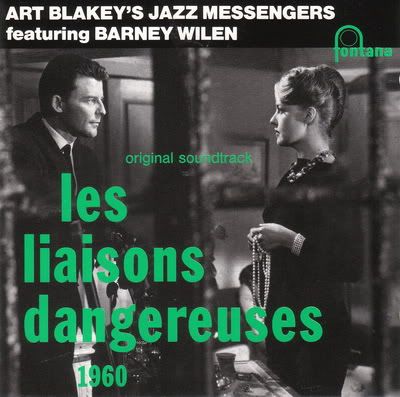
Art Blakey and Barney Wilen
Les Liaisons Dangereuses 1960
1959
Roger Vadim

Musicians: Lee Morgan, trumpet; Barney Wilen, tenor sax, soprano sax; Bobby Timmons, Duke Jordan, piano; Jymie Merritt, bass; Art Blakey, drums; John Rodriguez, bongos; Tommy Lopez, Willie Rodriguez, congas. In party sequence: Charlie Rouse, Barney Wilen, tenor sax; Thelonious Monk, piano; Sam Jones, bass; Art Taylor, drums. Appearing as themselves: Kenny Dorham, trumpet; Barney Wilen, tenor sax; Duke Jordan, piano; Paul Rovere, bass; Kenny Clarke, drums.

Listen to No Problem, composed by Duke Jordan, from the soundtrack:


14
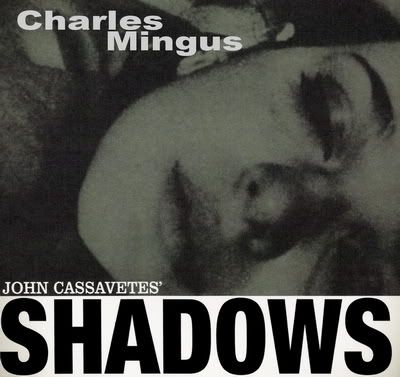
Charles Mingus and Shafi Hadi
Shadows
1958
John Cassavetes

Musicians: Shafi Hadi (Curtis Porter), sax solos; (possibly) Anthony Ortega, reeds; Jimmy Knepper, trombone; Phineas Newborn Jr., Horace Parlan, piano; Charles Mingus, bass; Dannie Richmond, drums.


13 
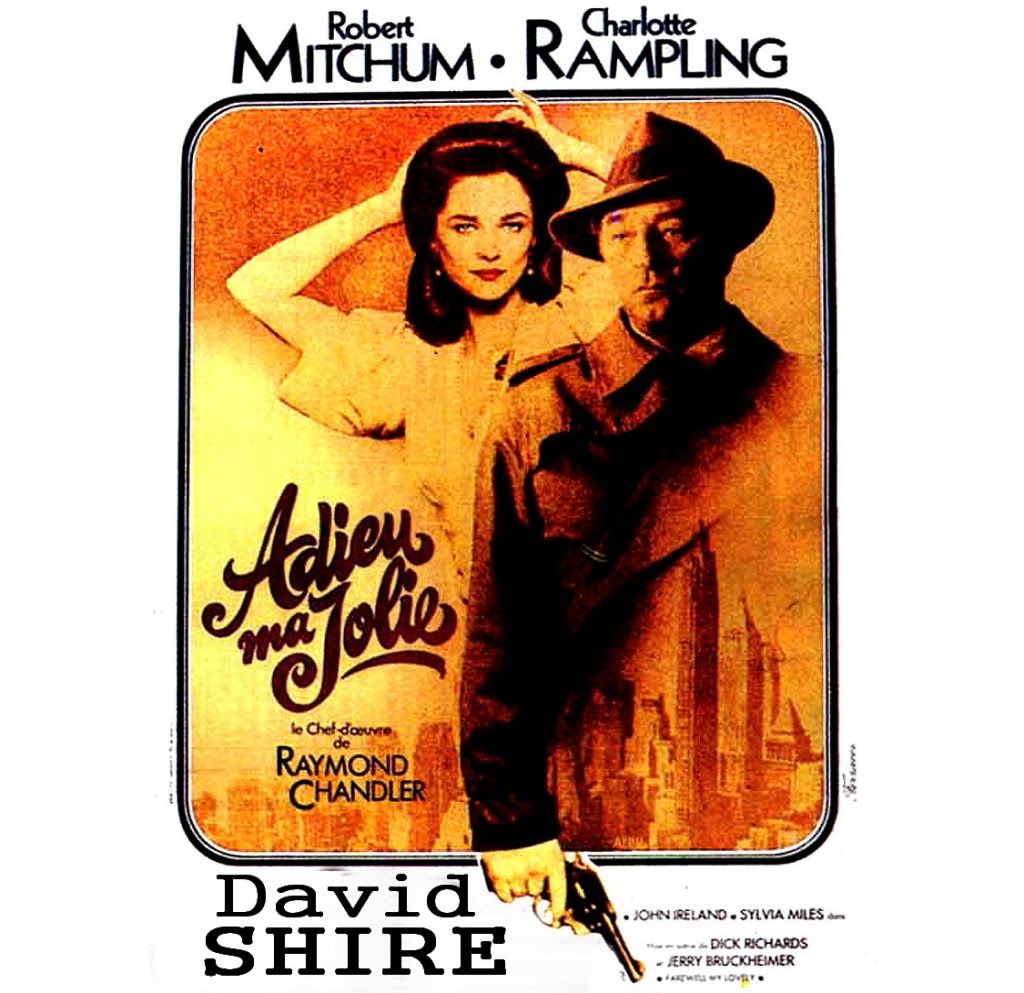
David Shire
Farewell My Lovely
1975
Dick Richards

Musicians:Cappy Lewis, trumpet; Dick Nash, trombone; Ronnie Lang, alto sax; Justin Gordon, clarinet, tenor sax; Don Menza, soprano sax; Artie Kane, piano; Al Hendrickson, Tommy Tedesco, guitar; Chuck Domanico, bass; Larry Bunker, drums; Emil Richards, percussion.

Main title music, aka the Marlow theme:


12
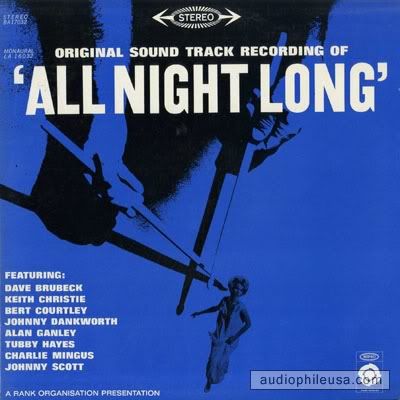
Philip Green
All Night Long
1962
Basil Dearden

Musicians: Bert Courtley, trumpet; Keith Christie, trombone; John Dankworth, alto sax; Johnny Scott, alto sax, clarinet, flute; Tubby Hayes, tenor sax, vibraphone; Colin Purbrook, Dave Brubeck, piano; Ray Dempsey, guitar; Kenny Napper, Charles Mingus, bass; Allan Ganley, drums; Barry Morgan, bongos, timbales.Allan Ganley coached and ghosted drum routines for actor Patrick McGoohan.

From the soundtrack, Brubeck plays It's a Raggy Waltz:

11 
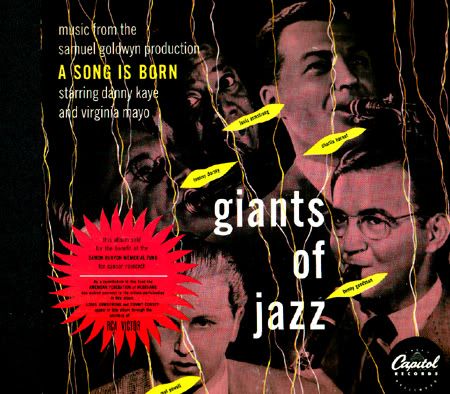
Emil Newman/Hugo Friedhofer
A Song Is Born 
1947
Howard Hawks

Music Orchestrated by Sonny Burke and Neal Hefti. 
Musicians: The Charlie Barnet Orchestra including Jimmy Salko, Jimmy Campbell, Everett McDonald, Chico Alvarez, trumpet; Freddie Zito, Phil Washburn, Herbie Harper, trombone; Charlie Barnet, Bob Dawes, Jack Henerson, George Weidler, Warner Weidler, Frank Pappalardo, reeds; Bob Bain, grt; Don Tosti, bass; Dick Shanahan, drums.
Lionel Hampton and his Orchestra, including Jimmy Nottingham, Kenny Dorham, trumpet; Britt Woodman, trombone; Bobby Plater, Charlie Fowlkes, reeds; Milt Buckner, piano; Billy Mackel, guitar; Joe Comfort, bass; Earl Walker, drums.
Tommy Dorsey Orchestra , including Charlie Shavers, Ziggy Elman, trumpet; Corky Corcoran, Marty Berman, reeds; Tony Rizzi, guitar; Louie Bellson, drums.
Encyclopedia combo including Benny Goodman Benny Goodman, clarinet; Lionel Hampton, vibraphone;
Mel Powell, piano; Al Hendrickson, guitar; Harry Babasin, bass; Louie Bellson, drums. 
Louis Armstrong and Lionel Hampton Band including Vic Dickenson, trombone; Barney Bigard, clarinet; Benny Carter, alto sax; Phil Moore, piano; Lionel Hampton, vibraphone; Laurindo Almeida, guitar; Charlie Drayton, bass; Zutty Singleton, drums.


Return to Part 2                                                      Go to Part 4

Thursday, November 25, 2010

Good Morning Blues#3: Autumn Leaves


I've been assigned to write an article about Yves Montand for an Iranian film journal. Naturally the main focus is on Montand's career as an actor rather than his immense popularity and controversy as a singer and left activist. (for that other persona, how about revisiting Chris Marker's The Lonliness of the Long-distance Singer, made in 1974?)

No portrait of Montand is complete without pointing to the historical moment in French popular culture in which he sang Les feuilles mortes in his second acting experience in Marcel Carne's Les Portes de la Nuit, of course with persuasions of his then lover, Edith Piaf. In this 1946 and rather late entry to the Poetic realist cinema, Montand performed the harmonies and melodies written by Joseph Kosma and lyrics of the renowned poet Jacques Prévert.

Montand's lover and mentor made it a huge hit later:

Edith Piaf version

Later, in 1947, songwriter Johnny Mercer wrote English lyrics and Jo Stafford was among the first to perform the English version. Soon the Autumn Leaves became a jazz standard, and only in my personal catalog I own nearly 200 different interpretations of the song by artists such as Jack Teagarden/Earl Hines, Johnny Smith, Jimmy Smith, Zoot Sims, Artie Shaw, Coleman Hawkins/Roy Eldridge, Gene Ammons/Sonny Stitt, Arnette Cobb/Joe Henderson, Stan Kenton, Wynton Kelly, Bill Evans, Chet Baker, Art Pepper, Jimmy Forest, Toots Thielmans/Joe Pass, Charlie Rouse/Julius Watkins, Stan Getz, Dizzy Gillespie, Chick Corea, Jack McDuff, Erroll Garner, George Shearing, Ben Webster, Buddy De Franco, Sonny Stitt/Hank Jones, Joe Diorio, Booker Ervin/Larry Young, James Moody, Oscar Peterson. Even very recently Eric Clapton did a pop version of it for his new album of standard. And there are still more takes:

Of course, one of the most famous interpretations comes from Cannonball Adderley, Miles Davis and Hank Jones in Blue Note 1595.
Miles Davis (t), Cannonball Adderley (as), Hank Jones (p), Sam Jones (b), Art Blakey (d), 1958

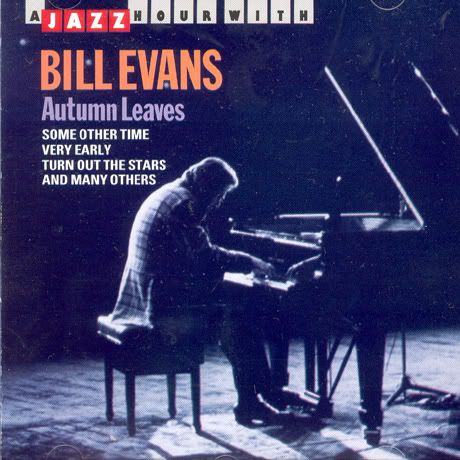
Bill Evans recorded the song many times, with his trio (and occasionally a quartet). From 1959 to 1969 he almost played it every year and re-recorded it for various albums. Again, at the end of 1970s, and in his last years, he began playing the tune. Even a compilation album of his was named Autumn Leaves.

I heard a beautiful take on the song, from Mary Lou Williams in a compilation LP, The First Lady of the Piano. Dizzy and Bobby Hackett accompanied her.
Zoot Sims played it in his Either Way (1961) LP. I strongly believe he has created a very strong, and like anything else he has recorded, deeply emotional recreation. Check him here, in the 1980s, returning to the song for a trio:
In 1974 Chet Baker recorded a version (She Was Too Good To Me, CTI 6050 S1) with a improvisational solo which has acknowledged as one of the best examples of Chet's fluency and harmonic genius. Ironically, Chet recorded it in concert F minor and adds a six bar tag of F minor at the end of every chorus.
Probably the most surprising Autumn Leaves belongs to Duke Ellington. During a dance date in California, 1958. When for a break, he asks singer Ozzie Bailey and Ray Nance (on Violin) to play three tender choruses on Autumn leaves. Bailey even sings the first on French! Stanley Dance remembers when Duke did it with French lyrics in France, audience didn't approve of Bailey's singing. The version below is not the same, but carries many virtues of the mentioned date.

Russell Procope, Bill Graham, Jimmy Hamilton, Paul Gonsalves, Harry Carney, Clark Terry,Rary Nance, Quintin Jackson, Britt Woodman, John Sanders, Duke, Jimmy Woode, Sam Woodyard, Ozzie Bailey, March 4th, 1958, Travis air force base, California.

My favorite among all ? Ahmad Jamal! A 12 minutes long masterpiece, live in Olympia, Paris, with George Coleman on tenor saxophone. Ahmad starts it with an uptempo introduction that takes a minute or two to even French audience recognize the tune. Coleman creeps in slyly from off-mic and then they takes off and you should hear the rest yourself! The version presented here is very close to what I heard on Olympia date, but slightly different and I'd say lighter.

Monday, October 12, 2009

Roots & Herbs (Art Blakey,1961)


آرت بلیکی یکی از پدران درام (Drum) در جاز مدرن است. با آن که می توان از سال های 1940 و از اوج دوران بی باپ رد او را در گروه های مختلف، چه باپ و چه ارکسترهای بزرگ فلچرهندرسون و مری لو ویلیامز دید، اما نیم قرن آثار ضبط شدۀ او از موزیسینی انعطاف پذیر خبر می دهند که نه فقط در 1942 بلکه در هر زمان دیگری می تواند موزیسینی مدرن باشد، من جمله در این ضبط عالی و هیجان انگیز 1961.

این نشست که به دلایل نامعلوم توسط آلفرد لاین (مؤسس و صاحب کمپانی بلونت) تا 1970 منتشر نشد، بلیکی و گروه "جَز مسنجرز" او را با اجرای شش قطعۀ بسیار عالی "هاردباپ" از وین شورتر نشان می دهد. نمونه ای عالی از حفظ ضربی دقیق و کشاندن شنونده در این پینگ پونگ صوتی هیجان انگیز به دنبال خود (حتی اسم یکی از قطعات پینگ پونگ است و حرکت یک توپ پینگ پونگ توسط بخش ریتم دنبال می شود).

اگر اشتباه نکنم این اولین آلبومی بود که از آرت بلیکی شنیدم و هنوز گمان می کنم شروع مناسبی برای آشنا شدن با موسیقی بلیکی و دو نوازندۀ بزرگ او لی مورگان (ترومپت) و وین شورتر (ساکسفون تنور) باشد.(باقی قضایا در بخش کامنت ها)


Lee Morgan Trumpet
Wayne Shorter Sax (Tenor)
Bobby Timmons Piano
Walter Davis, Jr. Piano
Jymie Merritt Bass
Art Blakey Drums