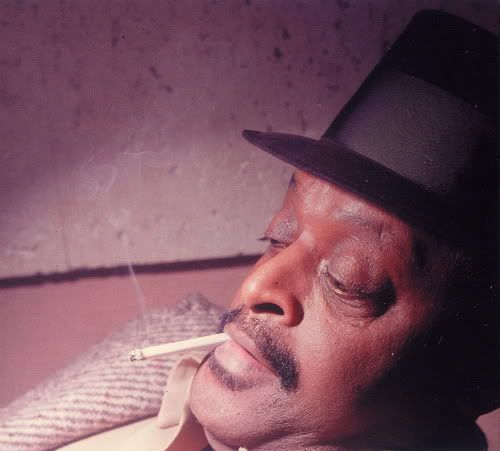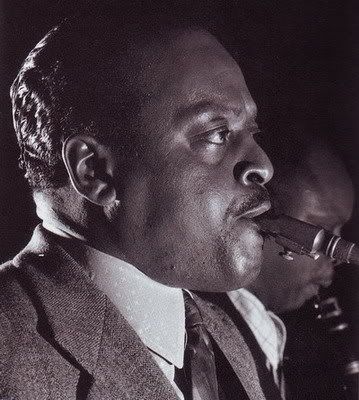
Showing posts with label Ben Webster. Show all posts

Thursday, October 30, 2025

London Screening of Two Jazz Doc Gems: Jazz In Exile – "Big Ben: Ben Webster in Europe" + "Cecil Taylor à Paris"

Big Ben

Jazz on Screen at the Barbican, Cinema 1, Sun 16 Nov 2025

Jazz In Exile – Big Ben: Ben Webster in Europe & Cecil Taylor à Paris + Intro by Ehsan Khoshbakht

This double bill offers two distinct portraits of ground-breaking American jazz musicians living and working in Europe, each navigating cultural displacement in their own unique way.

Big Ben: Ben Webster in Europe (1967) offers a lyrical, offstage portrait of a legendary saxophonist in Amsterdam. Ben Webster cooks, films his own life and reflects on the blues. In the film, his music and spirit explored through poetic visuals and intimate moments.

Cecil Taylor à Paris (1968) is a fierce, fast-cut portrait of an avant-garde pianist in Paris, rejecting the European canon and rooting his explosive sound in the Black American experience. The filmmaking mirrors the music’s energy, becoming a bold improvisation of its own.

Together, they reveal what it meant to be a Black jazz artist abroad, displaced not just by geography, but by culture, politics and sound.

Friday, October 18, 2019

Big Ben: Ben Webster in Europe (1967)


BIG BEN: BEN WEBSTER IN EUROPE
Netherlands, 1967 Regia: Johan van der Keuken
F.: Johan van der Keuken. M.: Ruud Bernard, Johan van der Keuken. Int.: Ben Webster, Don Byas, Cees Slings, Michiel de Ruyteras, Michiel de Ruyteras, Peter Ympa. Prod.: Johan van der Keuken.

An intimate, curious portrait of American ex-pat tenor saxophonist Ben Webster, shot between March and June 1967 in Amsterdam, where he eventually died in 1972. Though the title suggests outright praise, van der Keuken goes deeper into Webster’s sound and character by creating visual metaphors (a conversation about the blues cuts to a shot of a knife), relating anecdotes and giving a brief history of the man. Toying with the possibilities of the interplay between sound and image, the film treats Webster as one of the architects of tenor sax by visiting a saxophone factory, where industrial noise subsides allowing us to hear Webster’s luscious vibrato sound. Treated with warmth and respect, this former member of Duke Ellington’s band is seen doing various activities such as cooking, talking to his hospitable landlady, shooting pool and using his 8mm camera. When, later on, van der Keuken incorporates excerpts from what are presumably Webster’s films, jazz and cinema seem even more interwoven than first assumed. (Ehsan Khoshbakht)

Friday, March 4, 2016

London Flat, London Sharp: Best of American Jazz Recorded in London

(A detail of ) London Jazz Festival poster, designed by Damien Frost

There are hundreds of live and studio recordings made by visiting or resident American jazz musicians in London. This list, a new installment in the series I started with Paris and jazz, picks those London albums that I've liked most. 

Since 1939, when Fats Waller paid a visit and composed a suite celebrating London's neighborhoods and monuments, most of the jazz greats have appeared in and around the city. The crippling union regulations stopped many musicians from performing in the clubs until the 1960s, and the life expenses and poor weather drove many of them towards the Continent for permanent or semi-permanent stays. Yet, thought the past century, London with its passionate jazz buffs and a good deal of jazz literature remained an unmissable temporary stop for the musicians, as well as musical ideas, travelling from the United States to Europe.

The 15 albums below, obviously emphasising a certain attitude or taste which might not be everybody's, are some personal favourites from the most vital decades of jazz in Britain. Be sure, there are still hundred or more to name. (While picking your favourite albums be aware that there are famous records - Basie in London, for one - which were never recorded in London!)

Here is the list of 15 favourite jazz albums recorded by visiting Americans in London:


details as above

Tuesday, October 23, 2012

10 Songs For Duke

drawing by Naiel Ibarolla

"The worst thing about Duke Ellington's death," lamented Whitney Balliett "was that he, of all people, turned out to be mortal." Now it may sounds a cliche of I state that his music, forty years after his death, continues to live. No, that's somehow too obvious and not so dukish.

Another way of proving that the "profound, ageless, ongoing joyousness and originality of his music" doesn't seem to be retired is listening to the countless number of tribute albums and songs, recreations of his work, and tracing the influence he left on people who came after him and also his contemporaries. (He even awed musicians before him too - listen to what Willie The Lion Smith says, as my fifth choice.)

For that purpose, let's start with a list of ten tribute songs to this "brilliant eccentric," Duke Ellington. The list can expand in every imaginable direction and I hope some of you dear readers name your favorite "for Duke" songs at the end of this post.

Duke loved telling stories, so let's have one for the end. When Ben Webster (one of the guests of this tribute playlist) - who was playing with Teddy Wilson and dreaming to be a part of Duke Ellington Orchestra - received a message from Duke to go and see him, he felt twenty years younger: "I was drunk at the time, but the news sobered me up in a second. I went to see Ellington in the dressing room of the theatre he was playing at the time. He said, ‘Why don’t you come to the rehearsal tomorrow morning?’ Then I realised I had to tell Teddy Wilson that I was leaving him. To be able to do that, I had to get drunk all over again."

This anecdote tells something about Duke's music that can make you emotionally drunk, and then few minutes later, leave you totally sober. This is the feeling evident in the homages I've gathered here: they all alter between ecstasy and calculated movements. Or both are the same? 


Sunday, January 15, 2012

Radio Hawkins#22: Americans in Paris I

راديو هاوكينز: جاز براي ايران
اپيزود 22
آمريكايي ها در پاريس
بخش اول

اين جا بشنويد


فهرست قطعات

All recorded in Paris, with exception of the first track, recorded in New York City.

Coleman Hawkins & Manny Albam Orchestra
I Love Paris
Chauncey Welsch (tr), Romeo Penque (t), Ray Beckienstein (f, sax), Al Epstein (f, sax), Coleman Hawkins (ts), Marty Wilson (vibe), Barry Galbraith (g), Hank Jones (p), Arnold Fishkin (b), Osie Johnson (d)
July 9, 1956

Sonny Criss
Don't Get Around Much Anymore
Sonny Criss (alto sax), Georges Arvanitas (org), Rene Thomas (g), Pierre Michelot (b), Philippe Combelle (d)
April 22 or 25, 1963

Dizzy Gillespie
Serenity
Dizzy Gillespie (tp), Kenny Drew (p) Niels-Henning Orsted Pedersen (b) Kenny Clarke (d)
April 13, 1973

Ben Webster
Johnny Come Lately
Ben Webster (ts), Georges Arvanitas (p), Jacky Samson (b) , Charles Saudrais (d)
June 5, 1972

Dexter Gordon
Broadway
Dexter Gordon (t), Bud Powell (p), Pierre Michelot (b), Kenny Clarke (d)
May 23, 1963

Chet Baker
Oh You Crazy Moon
Chet Baker (t), Phil Markowitz (p), Jean-Francois Jenny Clark (b), Jeff Brillinger (d)
Dec 28, 1978

Cannonball Adderley Quintet
Walk Tall
Nat Adderley (t), Cannonball Adderley (alto sax), Joe Zawinul (p), Sam Jones (b), Louis Hayes (d)
March 27, 1969

Joe Newman Quintet
Lover Man
Joe Newman (t), Frank Wess (ts), Maurice Vander (p), Eddie Jones (b), Sonny Payne (d)
October 8, 1956

Cootie Williams
Mood Indigo
Cootie Williams (t), George Clarke (ts), Arnold Jarvis (org), Larry Dale (g), Lester Jenkins (d)
January 31, 1959

Bill Evans Trio
What are you doing the rest of your life?
Bill Evans (p), Eddie Gomez (b), Marty Morrell (d)
February 6, 1972

Ahmad Jamal
Bellows
Ahmad Jamal (p), Joe Kennedy Jr. (violin), Calvin Keys (g), Jeff Chambers (b), Yoron Israel (d), Manolo Badrena (percussion)
October 26, 1996

Sunday, October 9, 2011

Musicians on Musicians#3: Jennifer Anderson and 5 tenor

Jennifer Anderson is a saxophone player from Glenview, Illinois, and currently based in L.A. In addition to being a musician and painter, Mrs Anderson is a grade school music teacher. She is still doing her "big band thing," as well as working in the recording studios. I interviewed her via email, and here she talks about her influences and tenor saxophonists who have inspired her through the years. Like other interviewees, it was impossible for her to just stick to five names, and at one point she quoted from a friend, Chuck Johnson, to point how different players feel close to different sounds and musical personalities. "The attraction to Dexter Gordon for me is immediate because of his sound…big, robust, clear and warm," Jennifer quoted Chuck Johnson, "he has the ability to place every note he plays clearly and distinctly no matter the tempo of the tune.  But delve beyond his sound and you find a musician with a fertile aptitude to create improvisations that build logically, melodically and with intensity, chorus after chorus after chorus. And he masterfully and cleverly injects song quotes within any song he is performing. Dexter was also able to synthesize the cool, lyricism and storytelling of Lester Young with the harmonic advancement and fluidity of Charlie Parker and create his own personality." Well, not only we learn from people we love, but also we learn from the way people love other people. That's the main point of these interviews.

◘  ◘  ◘

Sonny Rollins: One of my first jazz music lessons actually came from a Sonny Rollins record. My first saxophone was a tenor. I didn't know much about the saxophone or sax players at the time, so I went to the local record store and picked up some records with pictures of guys with a saxophones one the front. One of them way Sonny Rollins' Way Out West with drummer Shelly Manne and bass player Ray Brown. I loved the cover--he looked so bad-ass slinging the sax and wearing a ten gallon hat out in the desert. When I heard I'm an Old Cowhand I realized the song was him! Never mind that it was a hokey old song. The music sounded as serious as it was fun--and swung like crazy! You could transcribe Sonny's solo and study it in a college classroom, but I really heard his personality coming through. That really got my imagination because Sonny made me see potential and possibility. Throughout his career, he has really dug into that potential and possibility and amazed us all with his interesting use of harmony, fluidity, spontaneity, and wit. There probably are people out there jamming on his tunes right now as well as studying him in college classrooms!

Ben Webster: Like Duke Ellington said said "I've always had a yen for Ben". The distinctive sound of Ben Webster is one that you can recognize is a few notes. Whether he is playing sweet or growly sexy, you could never confuse his sound with anyone else. That sound always seems to go right to my gut somehow. He was a big sensation in the Duke Ellington band in the 40's. Many musicians have paid tribute to him by playing his Cottontail solo, which was a big hit for the Ellington band. My recomendation would be Poutin'!

Coleman Hawkins: I know that historically Coleman Hawkins is a very important innovator. He took an instrument that was more of a novelty and band instrument before the 30's and really wowed the world with his playing. This drew lots of attention to the sax and made it a much more popular as a "legitimate" instrument. But even so, I feel like he would be awesome during any time period, and he was! His career was amazing even through the bop era. His beautiful, strong, colorful, lyrical sound is one I could never tire of. I love how his lines are seamless and ornamental at the same time. What a brain he must have had. Maybe that's why his nickname was Bean.

Lester Young: Lester Young was one of the first people to inspire me to play the saxophone. What I heard made so much sense to me. He seemed to speak in complete musical sentences. I loved his light sound. The problem was that he influenced me so much that I was always playing too laid back, and not in a good way! I finally realized it and stopped trying to be Lester Young. There definitely was only one of him. He is also famous for playing and and recording with his friend Billy Holiday.

Stan Getz: He is probably most known for his work with Antonio Carlos Jobim, which created the Bossa Nova craze in the 60's. But during his career he played it all--big band, cool jazz, bop and more. I heard that he was inspired by Lester Young. He has always been a huge inspiration to me because of the pure magic he created with his sound. When I first heard The Girl From Ipenema I was absolutely spellbound. His magical sound hooked me. I am currently enjoying his recordings that he made with guitarist Johnny Smith.

Friday, August 12, 2011

Radio Hawkins#1

Tamar Kander: Blue in Green

راديو هاوكينز – بخش اول

اين آخرين راه حلي است كه براي ايجاد گفتگويي بين ما دربارۀ موسيقي جاز به ذهنم رسيد. در شرايطي كه دسترسي به اين موسيقي و منابع صوتي در ايران دشوار و حتي غيرممكن است چه چيز بهتر از شنيدن اين قطعات و نغمه‌ها، به جاي حرف زدن و نوشتن دربارۀ آن.
براي خالي نبودن عريضه من توضيحاتي را در ابتداي هر قطعه‌اي كه پخش مي‌كنم مي‌دهم. اين برنامۀ اول كوتاه است (كم‌تر از چهل دقيقه)، و كيفيتش نه چندان مطلوب. مي‌توانيد حدس بزنيد يا بشنويد كه همين طور دور اتاق راه مي‌روم و شطحياتي به هم مي‌بافم. اما اصل قضيه موسيقي است كه حي و حاضر است و نگران بقيه نباشيد.
دو فايل اينجا مي‌بينيد، اولي با كيفيت متناسب با سرعت اينترنت ايران و دومي با كيفيت صوتي بالاتر، حجم بالاتر و بالطبع مناسب براي شنيدن با سرعتي خوب.


Monday, October 25, 2010

Ben Webster: Stomping Love

Nat Hentoff Original Liner Notes: Ben Webster's Soulville,1957


Johnny Griffin, one of the more venturesome of the "modern" tenors, was talking recently with Don Gold of Down Beat concerning those nonpareil jazz players who never become dated. On his list were Coleman Hawkins and Ben Webster. “Ben is phenomenal. These guys can come and play with the young cats and still fit in. These guys — like Hawk and Ben - are living legends.”

Tuesday, March 30, 2010

Big Ben: Ben Webster in Europe (1966)

Big Ben: Ben Webster in Europe


Big Ben: Ben Webster in Europe (1967)
B&W/30 mins/Netherlands
Directed by Johann van der Keuken

Songs: “My Romance” by Richard Rodgers and Lorenz Hart; “Perdido” by Hans Lengsfelder, Ervin Drake, and Juan Tizol; “You’d Be So Nice to Come Home To” by Cole Porter.
With: Ben Webster, Don Byas, Michiel de Ruyter, Dolf Verspoor, Jimmy Parsons, and Cees Slinger.

Ben Webster (1909–73), an American jazz tenor saxophonist from Kansas City—known for his tough, raspy, and brutal tone on stomps (with his distinctive growls) and, in contrast, for his warm and sentimental sound on ballads—spent his last days in the Netherlands, where an 8 mm camera was his companion alongside his saxophone.

Johann van der Keuken not only makes his own film but also incorporates some of Webster’s footage, presumably shot on 8 mm. The combination is cinematically intriguing, though perhaps less satisfying musically for Webster’s hardcore fans, who may prefer to hear and see a performance uninterrupted by rapid cuts.

There is a sequence in which van der Keuken alludes to the “beast” inside Webster (nicknamed "The Brute" because of his violent behavior when drinking) by inter-cutting shots of wild animals in a zoo and artificial advertising photographs with a haunting close-up of Webster in darkness.


Saturday, August 1, 2009

The Art Tatum-Ben Webster Quartet


اولین بار آلبوم کلاسیک "آرت تیتوم و بن وبستر" (Art Tatum-Ben Webster Quartet ) را در فیلم سپتامبر (1987) وودی آلن شنیدم؛ فیلمی چخوفی که تماماً در یک خانۀ ییلاقی می گذرد و در آن سام واترستون آرام و روشنفکر، صفحۀ این آلبوم را روی گرامافون می گذارد و مادر تازه به دوران رسیدۀ میا فارو می پرسد "کدوم یکی آرت تیتومه و کدوم بن وبستر؟"
برای این که جواب این خانم پا به سن گذاشتۀ کم دانش نیوانگلندی را داده باشیم باید بگوییم که آرت تیتوم نوازندۀ بزرگ پیانو (56-1901) – یک کور مادرزاد – و بن وبستر (73-1909) استاد مسلم ساکسفون تنور از کانزاس سیتی است.
این نشست تاریخی در سپتامبری بارانی در نیویورک پر شده است؛ به طور دقیق یازده سپتامبر 1956 و عجیب نیست که آلن چنین هوشمندانه این آلبوم را برای القای آن حال و هوای غمگین و با وقار برگزیده است. هفت قطعۀ اجرا شده همه استانداردهای جاز هستند و ظاهراً پیشنهاد انتخاب چنین قطعاتی متعلق به تهیه کنندۀ بزرگوار این نشست – و باقی نشست های آرت در همان دوره – جناب نورمن گرنتز بوده است. نوازندۀ باس، رد کلندر و نوازندۀ درام، بیل داگلاس است.
در راهنمای پنگوئن (کوک و مورتون) دربارۀ این نشست نوشته شده:

Monday, July 6, 2009

Masters with the Strings

مي دانم كه ايدۀ يك گروه جاز با همراهي اركستر سازهاي زهي در نظر اول كاري عامه پسندانه و صرفاً براي پر كردن صفحه هاي رومانتيك گوش نواز به نظر مي رسند، اما از آن جا كه در تاريخ جاز نمونه هاي بي شماري از دگرگون ساختن پديده هايي عادي -و حتي پيش و پا افتاده -و رساندنشان به عرش اعلا وجود دارد، مايلم در اين جا به دو سه نمونۀ نقض اشاره كنم. اين آلبوم هاي with the strings نشان مي دهد كه استادي چون چارلي پاركر يا كلمن هاكينز در مقابل هر زمينه اي و با همراهي هر نوازنده اي همان غول دست نيافتني و همان باد سهمگيني اند كه سراسر از موسيقي آفريده شده است. اين آلبوم ها مي توانند موسيقي مناسبي براي شنوندگان تازه كاري باشند كه پيچيدگي يك كوارتت يا كوئينتت بي باپ آن ها را در ابتدا آزار داده و نياز به مقدمۀ ديگري براي ورود به دنياي جاز داردند. نياز به توضيح نيست كه اين موسيقي ِ عشاق، شاعران و بعدظهرهاي آرام نيز هست. به علاوه به گفتۀ رضا پودات – دربارۀ بِرد و سازهاي زهي – اين موسيقي مانند چمنزار سبزي است براي بهتر ديده شدن گل خودرو و وحشي و زيبايي چون چارلي پاركر يا هر نوازندۀ بزرگي كه در مقابل ميكروفون اركستر سازهاي زهي ايستاده باشد.


كلمن هاوكينز

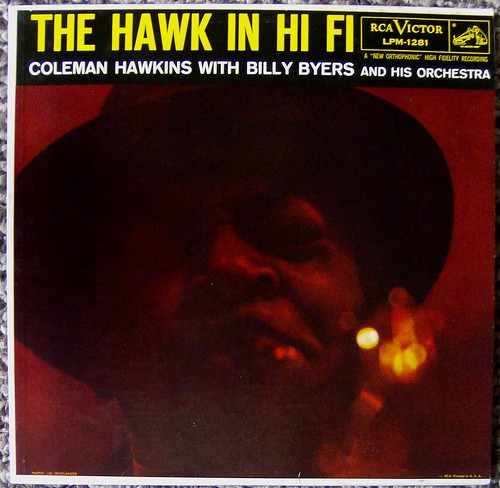
The Hawk in Hi Fi

هاوك در سيستم صداي Hi Fi همراه با اركستر بيلي بايرز در 1956. يكي از آرام كننده ترين آلبوم هاي تاريخ جاز. پر از تغييراتي كه اين مجموعه را از بقيه آلبوم هاي جاز با اركستر سازهاي زهي، كه معمولاً همراه با ملال و شباهت ناخوشايند اجراها به يكديگرند، دور مي كند. استانداردهاي جاز با دو سه قطعۀ خود هاوك و يكي دو بلوز با هم تلفيق شده اند. قطعات مورد علاقۀ من در آلبوم The Bean Stalks Again و His Very Own Blues اند (هر دو نوشته شده توسط خود جناب هاوكينز). اما در همين جا قاعده را زير پا گذاشتم و به تنها قطعاتي كه بدون بخش string اجرا شده اند، اشاره كردم. بهتر است نخوت را دربارۀ تلفيق جاز و بخش زهي كنار گذاشته و اعتراف كنم كسي كه اين آلبوم را گوش مي كند احساس مي كند همۀ دنيا را دوست دارد و همۀ دنيا نيز او را. چه احساس دروغيني و چه آلبوم كاملي كه اين دروغ را براي يك ساعت به شما مي باوراند.


چارلي پاركر

Charlie Parker with Strings- The Master Takes

يكي از زيباترين و سحرانگيزترين ضبط هاي تاريخ موسيقي كه در آن بِرد آنقدر به بالاها پرواز مي كند كه براي دقايقي از نظرهايمان محو مي شود. او از شاخه اي به شاخۀ ديگر مي نشيند و اركستر جيمي كارول زمينه اي براي اين پرواز دل انگيز فراهم مي كنند. اين نشست ها را نورمن گرنتز براي verve ترتيب داد و اين را به هزار و يك دليل ديگري كه براي مديون بودن به نورمن داريم، بايد افزود. استانداردهايي كه در اين جا اجراء شده اند را به عنوان نمونه هايي بي نظير به حافظه بسپاريد چرا كه ديگر كسي پيدا نخواهد شد تا اين ملودي ها و هارموني ها را با ذهن پيچيده و رنج ديدۀ خود چنين دقيق و بي نقص به گوش شما برساند. خدا بِرد را رحمت كند با اين غزل فراموش نشدني اش.


بن وبستر

Music for Loving

بسيار رومانتيك و بعضاً بيشتر از حد لازم. اما هنوز شروع آلبوم با Chelsea Bridge درست مثل لحظۀ تولد، يگانه و پر شگفتي است. بن به خوبي مي داند كجا و كي سوار بر موج آرام سازهاي زهي شود و كجا از اين موج پياده شده و ادامۀ راه را به پيانيست هاي درخشانش بسپارد.