Showing posts with label Charlie Parker. Show all posts
Showing posts with label Charlie Parker. Show all posts
Tuesday, February 7, 2017

Tuesday, August 2, 2016
Charlie Parker, The Boston Radio Interviews

Bird speaks! Posted online recently as an episode from the Birdmaniac Birdflight show on New York's WKCR, the jazz historian and DJ Phil Schaap presented one of the very few surviving Charlie Parker's interviews in good audio quality, accompanied by Mr. Schaap's commentary and a wealth of information about the historic interview.
At the time of the interview, Parker, fresh from a triumphant concert in Toronto's Massey Hall, was engaged at Boston's Hi-Hat Club. On June 13, 1953, after a prior discussion, he showed up at the Boston radio station to be interviewed by John Fitch who was known on air as John McLellan.
During the course of the interview, McLellan tried to encourage, even unsuccessfully provoke Parker to talk more. (Listen to McLellan's biting remark about Dixieland music to which Parker remains indifferent if not defensive.) No matter how much articulation and encouragement is poured into the interview on McLellan's end, Parker, 32 at the time, remains detached if amiable. He seems to be only interested in "good music", having issues with categorizations and ranking fellow artists:
Parker, maintaining his calm and friendly attitude throughout the course of an interview which doesn't always go in right direction, gives insight into his world by some typically short, poetic statements:
"Oh, I'd like to differ, I beg to differ, in fact. There's always room for musicians, you know. There's no such thing as the middle of the road, it will be one thing or the other -- good music or otherwise, you know. And it doesn't make any difference which idiom it might be in -- swing, bebop, as you might want to call it, or Dixieland -- if it's good it will be heard."
"Most people fail to realize that most of the things they hear coming out of a man's horn, ad lib, or else things that are written, original things, they're just experiences, the way he feels -- the beauty of the weather, the nice look of a mountain, or maybe a nice fresh cool breath of air, I mean all those things."Parker's knowledge of jazz history and his pedagogic precision in emphasizing the dates -- even if they are not exactly correct -- and his reluctance to talk ill of his colleagues and contemporaries are touching.
Monday, October 19, 2015
Rudy Can't Fail
 |
| "Red" Rudy Williams |
Who's playing the alto saxophone on this one?
The musician playing alto on the 1948 track you heard which was recorded under Tadd Dameron's name is "Red" Rudy Williams, a musician Charlie Parker used to dig intensely, almost religiously, during his first visit to New York City.
Member of a hard swinging band, Al Cooper's Savoy Sultan, he was usually featured on radio broadcasts some ten years before the above recording was waxed. (Other musicians featured on the piece you heard are Fats Navarro, Allen Eager, Curly Russell, and Kenny Clarke.)
In 1939, Williams was enjoying the success of this hit song, Little Sally Water, in which his name is called by Savoy Sultan's before he moves to front for a solo:
Friday, May 1, 2015
Image of the Day: Chasin' the Bird


Tuesday, December 16, 2014
Friday, August 29, 2014
Charlie Parker at the Royal Roost, 1949

The Royal Roost was a jazz club located at 1580 Broadway in New York City. Opened in the Spring of 1948, it was designed to stage the more experimental jazz trends of the day. Thus, the cream of "experimental jazz musicians" in town became the club regulars, among which Charlie Parker had the most remembered (and recorded) residency throughout 1948 and 1949.
Paul Bacon describes the atmosphere of the club as something of "tremendous vitality and urgency." He portrays one typical night at the Roost as following:
"The air inside is full of crackling expectancy, chaos... Some few tables in front of the stand are empty, awaiting the important hipster crows - theater, sports, radio people - who will fill those chairs in a late-arriving flurry. Much craning of necks, more greetings. Somebody - Max Roach, in fact - come out, leans over from the bandstand and has an animated conversation with an important-looking bearded man. Looking around, one's first impressions are reinforced; this is the center of the world!"Many live recordings from the legendary Roost performances have surfaced ever since. This collection, found on the Internet Archive, presents some of them, featuring my favorite Roost line-up of Bird with Al Haig (on piano) and Max Roach (drums).

Tuesday, August 26, 2014
Bird and Herd

In 1951, Charlie Parker was in trouble. He had been in trouble for long before and quite a while after that particular date, but 1951 saw a shift in the way drug scene was exposed in the press and also in the way it was handled by the FBI. Though Parker wasn't unfamiliar with the word "trouble", this time a nation-wide prosecution of celebrity drug addicts had made things tough for him. In the summer, Parker had played at Birdland with Machito, a gig which happened to be his last New York performance in nearly 15 months. Soon after, for some obscure drug charges, his "cabaret license" (license for performing music in the premises in which alcohol is served) was revoked. He was jobless.
|
| Charlie Parker's saxophone case |
His manager, trying to keep him busy, send Parker on the road, where he could still play without a license. Being on the road meant that he needed to be part of an already touring group. That's when Bird was united with Woody Herman's Big Band - the Third Herd edition.
Wednesday, September 18, 2013
Crash Course on Bud Powell

"Bud was totally immersed in music -- his one constant reality. Even when there was no instrument available, he could hear the sounds. Once when a friend visited him in hospital, Bud sketched piano keys on the wall. 'Listen, what do you think of these chords,' he asked while he banged his fingers against the drawing."
This anecdote which is narrated by the deep voice of David W. Niven is the essence of Bud Powell, the subject of this new post. And also this post happens to be the 400th on Take the "A" Train, so in a sense you may call it a celebration too.
The plan is to study Bud Powell though the tapes of archivist David Niven. Please note that a few seconds of silence exists between the end of side A of each tape and the beginning of side B. The side reversal happens automatically for each tape.
I've already posted Bud-related materials here, including a note on a Danish film about the pianist, and a handful of interviews. For completion sake, be aware of the seminal Bud Powell book, Wail: The Life of Bud Powell by Peter Pullman which is described by its author as an "unsentimental biography—not hagiography—of a major jazz artist." Pullman continues: "It’s based as much on an exhaustive look at the public record and press on Powell, as it is on eyewitness accounts of his live performances and on personal opinions of his private life—in addition to subjective assessments of his studio recordings. The book treats all of these accounts as so many pathways to understanding the central paradox of the musically explosive yet emotionally impassive Powell: How could he have played with such rhythmic euphoria (and romantic feeling!) and, yet, seldom if ever have allowed anyone to see the physical and psychic pain that he was often enduring?"
For ordering the paper edition of Bud Powell book, email the author directly at pullman_peter[at]yahoo.com.
This crash course features some 500 minutes of Powell's romantic agony (i.e. music), and as it has been the case with great art, his pain will be your incalculable pleasure.
Wednesday, February 27, 2013
Jonathan Rosenbaum Takes the "A" Train
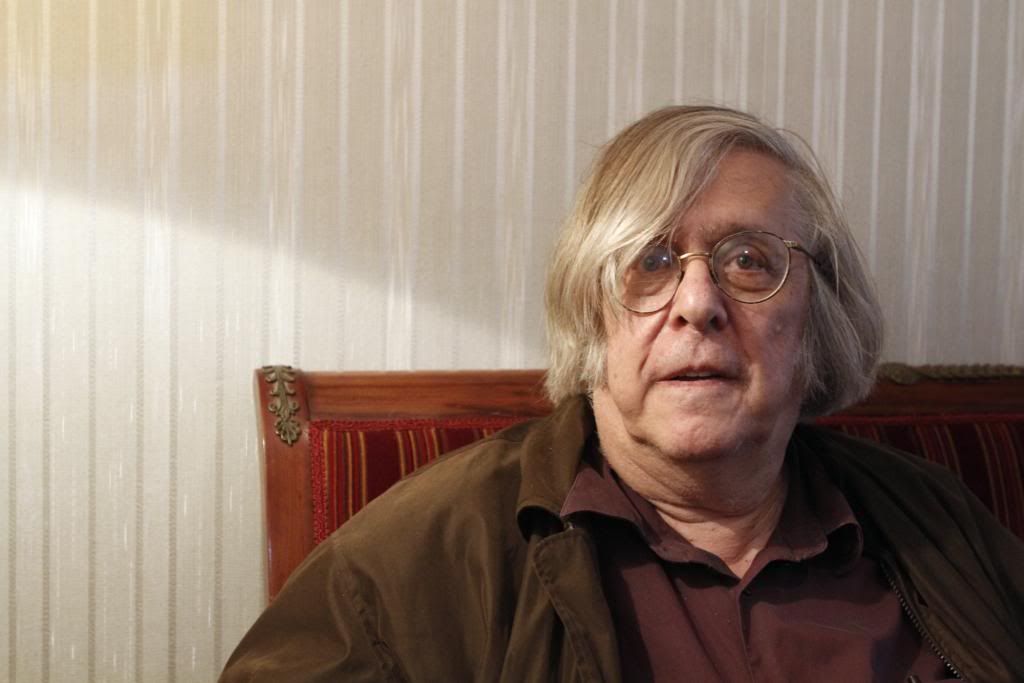 |
| Jonathan Rosenbaum [image courtesy of San Sebastián Film Festival] |
The discographical information is given below the player. If this particular player isn't compatible with your system, there a simpler one, if you just scroll down the page, where, alternatively, you can download it and listen to it offline.
Even on his birthday, it is Jonathan who gives us presents.
Friday, July 27, 2012
Ad-Lib#1: Bird, McGhee & Fats
1
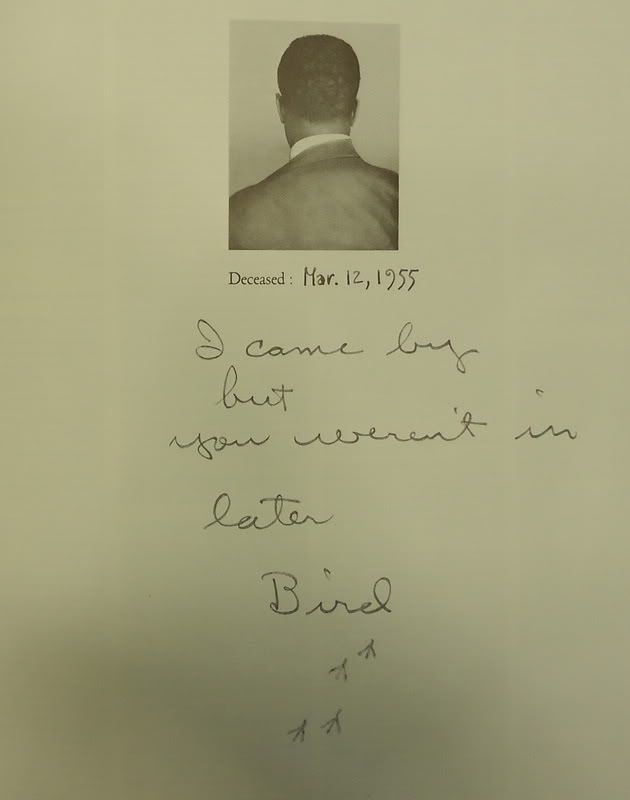
I came by but you weren't in...later...Bird. [1]
2
A visit to the National Jazz Archive, housed in the Loughton library, and going through some Ellington pages (from so many books available at the library) reminded me of the only collaboration between one of the greatest trumpet players of jazz, Howard McGhee, with the Ellington's orchestra.
As you see in the image below, McGhee is filling the trumpet chair of the orchestra for three tracks, recorded on 31 January 1962 for CBS. These tracks, among other materials appeared on Midnight in Paris LP. The complete album is available on Villes Ville blog, a significant member of Ellingtonia in digital. This is the link to the page, but as Villes is undergoing almost everyday changes of the posts and links, just in case have a direct link to the player of the album here.
Thursday, April 5, 2012
Charlie Parker's Dorsian Touch?

Recently attended a screening of Vincente Minnelli's I Dood It (1942) at National Film Theatre, I was amazed by its dedication to jazz music of the early 1940s. One of the subtexts of the film is the transition from popular big band music to a more personal, wilder and challenging jazz which is soon about to happen in Minton's club. Though there is no reference to revolutionary bop music in I Dood It, the sharp contrast between early scenes in Jimmy Dorsey's MGM style club with its white sets, and overdecorated space with the last numbers played by Hazel Scott and Lena Horne alludes a change in life-style and art in which main characters with their social differences can reunite.
Saturday, November 12, 2011
Radio Hawkins#13: On the Road with Kerouac
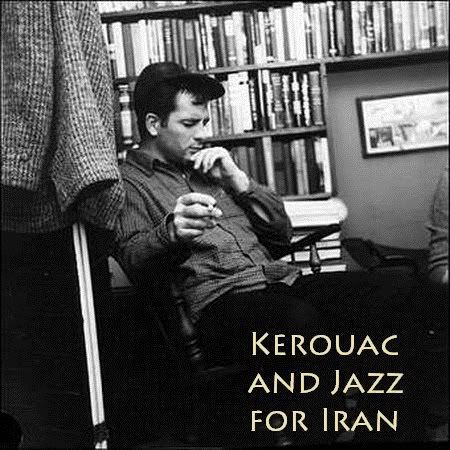
برنامۀ سيزدهم
جك كرواك و موسيقي جاز
مجموعه قطعاتي از موزيسين هاي محبوب جك، كاري كه به اسم خود او نوشته و اجرا شده. اشعار او با صداي خودش و با صداي آلن گينزبورگ و مروري بر موسيقي بي باپ كه جك شاهد عيني تولد و اوج گرفتن آن بود
همراه با
لستر يانگ، برو مور، كانت بيسي، جرج شيرينگ، ساني استيت، فليپ فليپس، چارلي پاركر، ديزي گيلسپي، تلانيوس مانك
به برنامه سيزدهم در اين جا گوش كنيد
با كيفيت متوسط و متناسب با سرعت اينترنت ايران در اين جا
Monday, October 31, 2011
Radio Hawkins#11: Lover Men
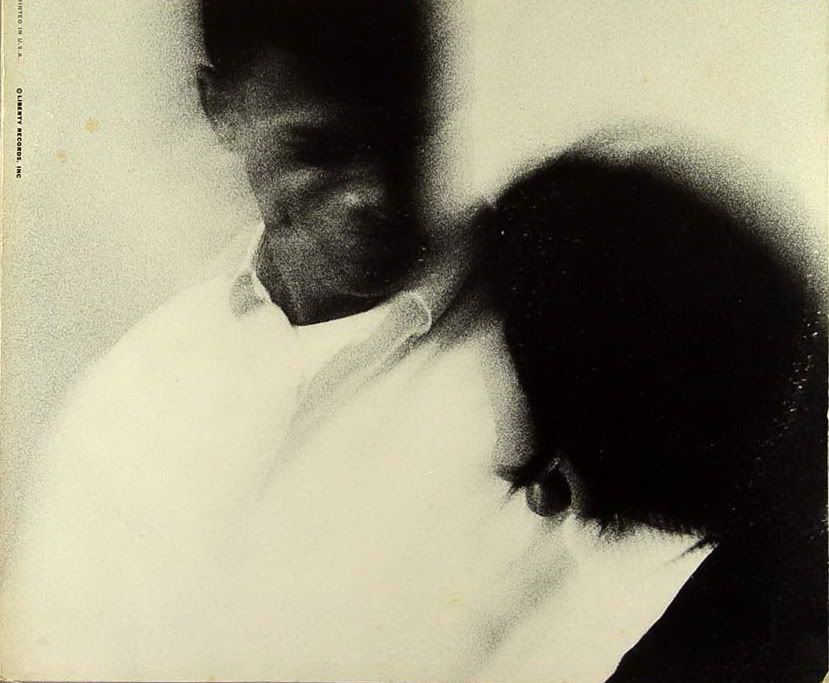
اجراهايي متفاوت از قطعۀ
LOVER MAN
توسط
بلاسِم دي يِري، كانت بيسي، سارا وان، واردل گري، دان باياس، كولمن هاوكينز، ساني راولينز، هري جيمز، ال هِيگ، جيمي اسميت، جي جي جانسن، جنگو راينهاد، ديزي گيلسپي، ساني استيت
برنامه را اين جا بشنويد
Sunday, October 2, 2011
Radio Hawkins#7
عكس از رضا حكيمي
هفتمين برنامۀ موسيقي جاز، راديو هاوكينز
با آثاري از چارلي پاركر، كلارنس لافتن، لني تريستانو، دوك الينگتن، جان كلترين، پل دزموند، جيم هال، هربي مان، بيلي تيلر، ممفيس اسليم، اسكار پيترسن، استفان گراپلي
Tuesday, July 26, 2011
A Guide to Best Jazz Scores for Cinema#5

5
Ray Heindorf
Pete Kelly's Blues
1955
1955
Jack Webb
Arranged by: Matty Matlock. Musicians: Teddy Buckner (cornet), Moe Schneider (tr), Matty Matlock (clarinet), Eddie Miller (ts), Ray Sherman (p), George Van Eps (g), Jud de Naut (b), Nick Fatool (d).
Ella Fitzgerald (vocal, also appears as Maggie Jackson), Don Abney (p), Joe Mondragon (b), Larry Bunker (d).
Peggy Lee as Rose Hopkins.
Ella and her trio (as above) perform Hard Hearted Hannah (The Vamp of Savannah)
4
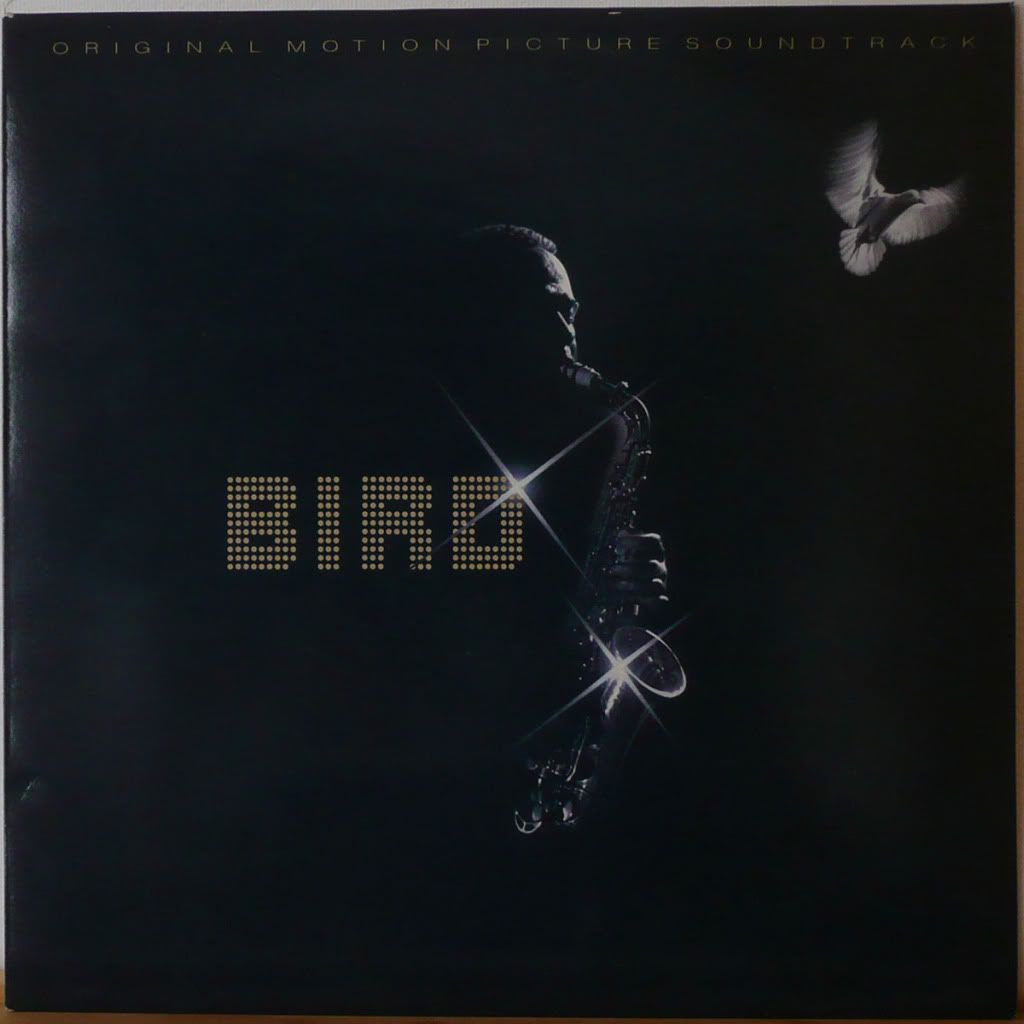
Lennie Niehaus
Bird
1988
Clint Eastwood
Musicians: Charlie Parker (as) [original rec. Alto track only], Lennie Niehaus (as) [filled in a few bars here and there], Pete Jolly (p) [solos], Tommy Tedesco (g), Charlie Shoemake (vib) .
trumpets: Jon Faddis, Red Rodneyalto saxes: James Rivers, Charles McPherson
pianists: Monty Alexander, Barry Harris, Mike Lang, Walter Davis, Jr.
bassists: Ray Brown, Chuck Berghofer, Chuck Domanico, Ron Carter
drummer: John Guerin
According to David Meeker "this movie contains some of the most complex and successful music tracks ever created for the director rightly insisted that original Charlie Parker solos must be used. Lennie Niehaus and his team, particularly recording engineer Bobby Fernandez, therefore cleaned up the original records electronically, isolated Bird's solos and re-recorded them with new backing groups."
Lover Man


Return to Part 4
3
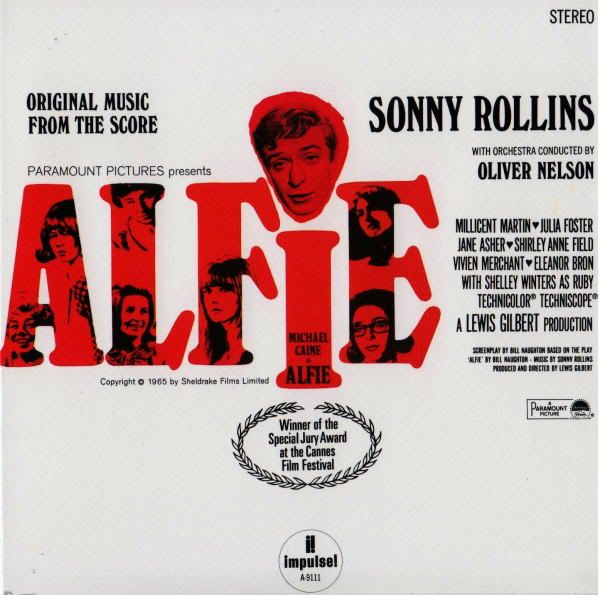
Sonny Rollins
Alfie
1965
Lewis Gilbert
Musicians: Keith Christie (tr), Sonny Rollins, Ronnie Scott, Tubby Hayes (ts), Stan Tracey (p), Dave Goldberg (g), Johnny Hawksworth (b), Phil Seamen (d).
Listen to the Alfie's theme
2
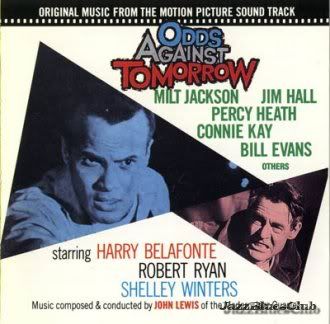
John Lewis
Odds Against Tomorrow
1959
1959
Robert Wise
Musicians: John Lewis/Bill Evans (p), Jim Hall (g), Milt Jackson (vib), Percy Heath (b), Connie Kay (d) + orchestra which included Joe Wilder, fluegel horn.
Listen to main theme (Odds Against Tomorrow)
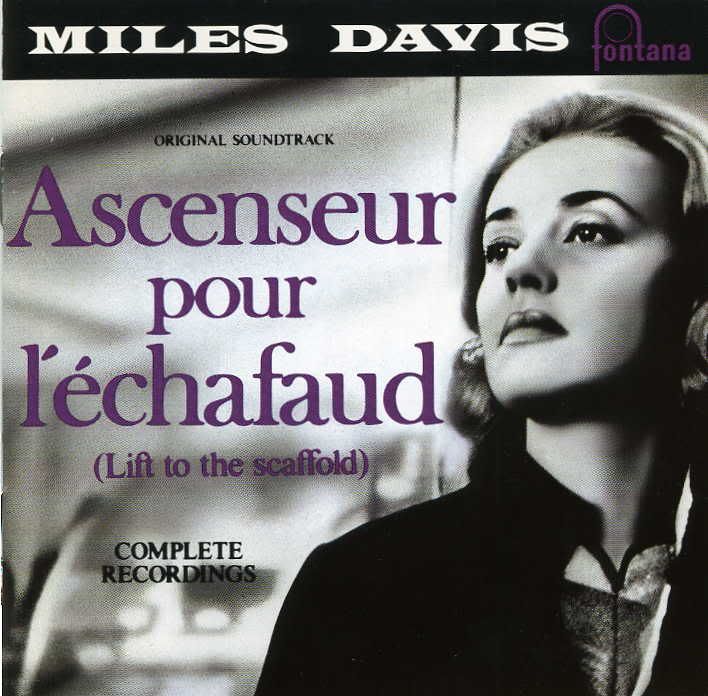
1
Miles Davis
Ascenseur pour l'échafaud
1957Louis Malle
Musicians: Miles Davis (t), Barney Wilen (ts), René Urtreger (p), Pierre Michelot (b), Kenny Clarke (d) .
Nuit sur les Champs-Élysées
Return to Part 4
Tuesday, November 16, 2010
Is Charlie Parker Arrogant?
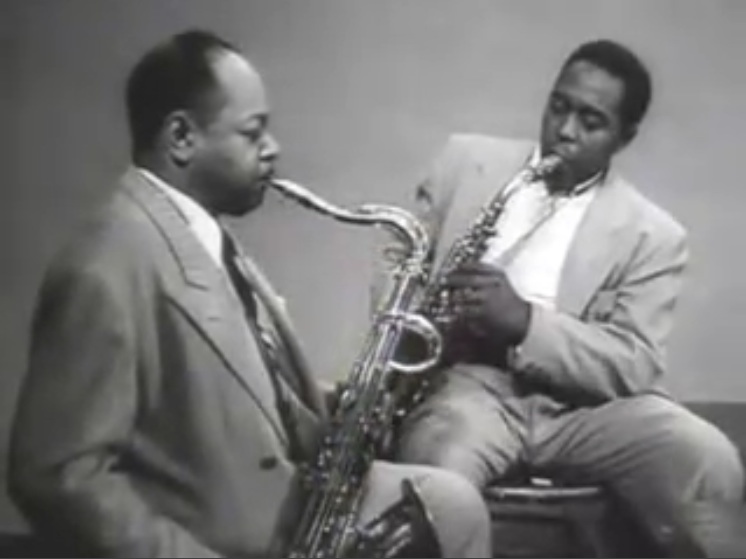
ليندا، يكي از دوستان جازي من، يكي دو روز پيش شكوهكنان به من نوشت كه ويدئوي كولمن هاوكينز و چارلي پاركر را ببين كه پاركر چه بيادبانه سولوي هاوك را قطع ميكند و جان مادرت سعي نكن اين گستاخي آشكار را مالهكشي كني كه هيچ جوري نميشود توجيهش كرد. من ويدئو را دوباره ديدم. و حالا...
نه ليندا جان آنطور كه به نظر شما آمده نيست. اين فيلم بخشي از كارهاي سينمايي كوتاه نورمن گرنز درباره جاز بود. اولين بار با Jammin’ the Blues كه حتي نامزد اسكار شد طعم موفقيت را چشيدند تا اين كه تصميم گرفتند دوباره در استوديو و با نگاهي كاملاً سينمايي (به تدوين درخشان فيلم نگاه كن) چند موزيسين بزرگ را دور هم جمع كنند. وقتي بِرد با آن نت تند، ناگهان سولوي هاوك را قطع ميكند، انگار كسي از پشت دوربين به او فرمان داده. در اين فيلمها «تايمينگ» دقيق است و به همين خاطر دست و بال نوازنده را ميبندد. كاري نميشود كرد، اين ذات اجراي زنده جاز، براي دوربين و نه تماشاگر، است. تا جايي كه من ميدانم رابطه هاوك و بِرد دوستانه بوده و اگر به نگاه ايمان داري، فقط ببين وقتي هاوك ميزند برد چه كيفي ميكند و وقتي برد شروع ميكند هاوك را چه سويينگي برميدارد. چارلي پاركر مرد هزار صورتي است و زندگياش بيشتر معماست تا پاسخهاي سرراست، اما يادم نميآيد كه تا بهحال كسي از نخوت او ياد كرده يا اينكه او را متهم به بيحرمتي به بزرگان و پدران اين موسيقي كرده باشد؛ من كه اصلاً به خاطر نميآورم. با آنكه بيباپ هميشه در ذاتش آن تهاجم و گستاخي را داشته، اما غولهاي باپ (از پاركر تا گيلسپي، از مانك تا پاول) همه آدمهايي شريفتر و نجيبتر از آدمهايياند كه من ديدهام يا دربارهشان شنيدهام. پاركر هاوك را دوست دارد. اين فقط يك سوء تفاهم كوچك است.
Monday, August 30, 2010
An Introduction to Charlie Parker

چارلي پاركر
يك روز با تأخير. يك روز بعد از نود سالگي چارلز كريستوفر پاركر، نوازنده افسانهاي ساكسفون آلتو. چيزي بيشتر از افسانه و نوعي موهبت الهي براي ما. اين نوشته بخشي از فرهنگ ناكام – و خوشبختانه ناكام –موسيقي جاز بود كه سالها پيش كار بهروي آن را شروع كردم و به خاطر دشواريهاي كار (منابع و پول كم، مدعي زياد) تعطيل شد و حالا كه نگاه ميكنم نه لحنش به درد ميخورد و نه به اندازه كافي اطلاعات فني دارد. كمبود اطلاعات فنياش را با خود قطعات پاركر پر ميكنم، اما تغيير لحنش در اين مدت كوتاه ممكن نيس تو مهم اين است اگر كسي چيز زيادي درباره پاركر نميداند با اين يادداشت كنجكاوي بيشتري پيدا كند و اگر هم كسي چيزي ميداند، اين يادداشت به درد او نخواهد خورد.
***
نامش چارلز كريستوفر پاركر (55-1920) و لقبش Yardbird بود اين لقب را به مناسبت علاقه فراواني كه به خوردن مرغ سرخ كرده داشت به او داده بودند. كه البته بعدها به صورت شاعرانهتري مختصر شد و به صورت bird درآمد. ساير موزيسينهايي كه براي اولين بار صداي ساكسفون او را ميشنيدند از آن به عنوان يك نوع راز و نياز مذهبي ياد كردند. او چهره موسيقي جاز را به طور كلي دگرگون كرد و احياناً مسير موسيقي قرن بيستم را ترسيم كرد.
او اهل كانزاس بود و ساكسفون نوازان كانزاسسيتي كلاً به رقابتطلبي شهره هستند. همشهريهايش، بن وبستر و هرشل اونز، پيش از آنكه به چهرههاي سرشناسي تبديل شوند نوازندگان مشهوري را كه براي اجراي برنامه به اين شهر مي آمدند به مبارزه و مسابقه («چه كسي مي تواند مدت زمان طولاني تري در ساز بدمد») فرا ميخواندند و همين تلقي درست از رقابت مفيد و پر بار بود كه احساس هنرشناسانه را در وجود چارلي پاركر نيز بيدار و تقويت كرد.
موزيك زنده در تمام طول شب شنيده ميشد علت آنهم قانون تق و لق منع مشروبات الكلي بود. چارلي پاركر در دبيرستان كه بود ساكسفون باريتون را براي نوازندگي انتخاب كرده بود ولي وقتي در سال 1931 مادرش ساكسفون آلتو برايش خريد او هم نواختن اين ساز را ادامه داد. چهارده ساله بود كه دبيرستان را ترك كرد و تمام وقتش را صرف زدن ساز كرد.
حضور شتاب زده و پيش از موقع او در كلوپHigh Hat كه در هنگام نواختن آهنگ body & soul روي صحنه خشكش زد موجب شد كه ساز زدن را براي سه ماه كنار بگذارد. اين تحقير يك بار ديگر و به صورتي ديگر در سال 1937 تكرار شد داستان از اين قرار بود كه يك نوازنده كار كشته دارمز هنگامي كه چارلي روي صحنه رفت و ساز زد، سنج را بهعلامت اينكه ساز زدن چارلي پاركر قابل شنيدن نيست پيش پاي او پرت كرد.
با مايلز ديويس
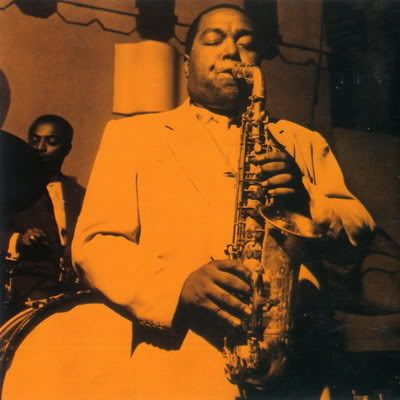
ولي اينبار چارلي نه تنها سازش را كنار نگذاشت بلكه بر تمرينات سخت خود افزود. نواختن در گروههاي تامي داگلاس بين سالهاي 1936 و 1937 و باستر اسميت بين سالهاي 1937 و 1938 تجارب لازم را به او داد. اولين فرصت حرفهاي واقعي براي او در سال 1938 با گروه جِي مكشان پيش آمد. يك گروه پر هيجان سويينگ كه چارلي توانست اولين صفحه خود را با اين گروه در 1941 ضبط كند تك نوازي چارلي پاركر در اين گروه مردم را روي صندليهايشان نيمخيز ميكرد. در دوران كوتاهي كه در گروه بيلي اكستاين مينواخت با ديزي گيلسپي، جوان سياه پوست ديگري كه او هم ايدههاي نو و سرشار از خلاقيت داشت آشنا شد. دشواريهاي زمان جنگ باعث شده بود كه موقعيتbig band متزلزل و بعضاً رو به انحلال گذاشت.
چارلي تجارب خود را در اين اركسترهاي بزرگ به محله هارلم نيويورك برد و در آنجا به اتفاق ديزي گليپسي، مكس روچ و كني كلارك و مشاركت چارلي كريستين و تلانيوس مانك در كلوبهاي خيابان پنجاه و دوم و مخصوصاً كلوب مينتون، در ساعات بعد از نيمهشب، پيشگام و پيشاهنگ موسيقي جديدي شد كه بيباپ نام گرفت.
صداي شگفت انگيزساكسفون چارلي پاركر با ضرب آهنگي تند و نوائي حزنانگيز و گاهي شادي آفرين، در واقع مصداق چيزي بود كه موسيقي مدرن تلقي ميشد و به وضوح در آثاري مانند Now’s the time, Shaw ‘n’ nuff, Koko طليعه عصر جديدي را در موسيقي جاز بشارت ميدهد . در ژانويه 1946 نورمن گرنز كنسرتي در سالن اركستر فيلارمونيك لس آنجلس براي چارلي پاركر ترتيب داد و در همان سال كمپاني صفحه پركنيDial صفحات بسيار مشهوري را با چارلي پاركر و مشاركت هوارد مكگي (ترومپت)، لاكي تامسون (تنور) و واردِل گِري (تنور) ضبط و پخش كرد.
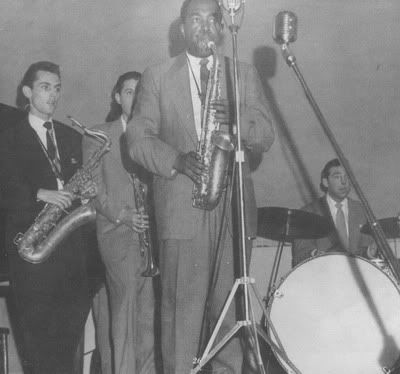
در اين ميان البته دردسرهائي هم بروز كرد. اعتياد چارلي پاركر به هروئين رفتار نامناسبي را از جانب او باعث ميشد كه موجبات عدم رضايت مديران كلوبها را فراهم ميكرد و اين عدم رضايت با آتش سوزي كه در اتاق او بر اثر اعتياد پيش آمد موجب شد كه او را به مدت شش ماه در بخش رواني زندان لسآنجلس بستري و متعاقب آن شش ماه ديگر نيز در بخش توانبخشي تحت مداوا قرار دهند.
چارلي به محض خروج از اين مركز دو صفحه درجه يك براي كمپاني دايال ضبط كرد در مراجعت به نيويورك بهاتفاق مايلز ديويس (ترومپت) و مكس روچ (درامز) گروهي را تشكيل داد كه اثري مانند scrapple from the apple يادگار اين دوران است. در سال 1949 براي اولين بار به مسافرت اروپا رفت و در فستيوال جاز پاريس برنامه اجرا كرد در سال بعد به اسكانديناوي رفت و در اين وقت بود كه ديد چنانچه با تنظيم اركستري بنوازد موسيقي او را جديتر تلقي خواهند كرد. آلبوم «چارلي پاركر، با سازهاي زهي» مرتبط به اين دوره ميباشد كه در زمان خود و از نظر تجاري بسيار بسيار موفق بود.
در اين زمان سلامتِ چارلي پاركر بهخاطر سيروز كبدي و زخم معده به مخاطره افتاده بود، تازه اگر بعد از همه سال اعتياد سلامتي براي او باقي مانده بود.
لئونارد فدر معتقد بود كه نوازندگي چارلي پاركر در مارچ سال 1955 يعني چند ماه قبل از مرگش در اوج كمال بوده است. آخرين حضور او در مجامع عمومي در چهارم مارس 1955 در كلوپ بِردلند كه بهمناسبت بزرگداشت چارلي پاركر بهنام او نام گذاري شده بود يك آبروريزي تمام عيار از كار در آمد. باد پاول پيانيست جنجال و بگو مگوئي در روي صحنه بر پا كرد كه بلاخره با پا در مياني چارلز مينگوس خاتمه پذيرفت. چارلي سرخورده با بدن فربه و زجر حاصل از بيماري هشت روز بعد در سوئيت هتلي كه متعلق به بارونسي ثروتمند و شيفته پروپا قرص موسيقي بيباپ بود درگذشت.
لني تريستانو، پيانيست نيويوركي، ميگفت چارلي پاركر ميتوانست با استفاده از قوانيني كه عليه سرقت هنري وجود دارد تمام كساني را كه در طول ده سال گذشته صفحه پركردهاند تعقيب قانوني نمايد. منظور او اين بود كه بعد از پاركر، هركسي چيزي از او گرفته بود. اين نهضت همچنان ادامه دارد.
Thursday, April 15, 2010
Jack Kerouac and Jazz

Jack Kerouac loved the people, the things of life, the rivers, his mother, and, he also loved jazz. He loved jazz with such intensity that most of us can’t even imagine. He tried to create what we say a jazz writing style, a bop writing style that is evident in his very fine poetry book, Mexico City Blues (1959).
Here, in July, 1982, Sam Charters (born 1929) a novelist, blues and jazz historian, poet and the writer of Studies in Underground Poetry Since 1945, published in 1971 - and a groundbreaking work in the study of the Beats - remembers Jack Kerouac and his passion for jazz, while examining the influence of this music and certain jazz musician on his writings.
According to Allen Ginsberg in an interview originally published in Composed on the Tongue (1980), Jack Kerouac “learned his line” listening to early bebop. He was a regular visitor at Minton’s club, the house of bebop and modern jazz. And it was Lester Young who gave Jack Kerouac his first Marijuana! Dizzy Gillespie’s improvisational style and innovative harmonies had a profound influence on him. Charlie Parker, a rhythmically complex, improvisational idiom influenced Kerouac’s spontaneous approach to prose writing. Jack Kerouac honors Charlie Parker in the final three choruses of Mexico City Blues, praising Parker’s musical genius, recognizing his human position, and appealing to Parker for prayer on behalf of Kerouac. Thelonious Monk undoubtedly had his most profound influence on Kerouac, who emulated the rhythmic and harmonic intricacies of bebop in his spontaneous prosody. Kerouac even organized a collaborative jazz-poetry performance on East 10th Street in Manhattan in early October 1957, and called it “First Poetry-Jazz Concert.” Originally the performance was intended for the Museum of Modern Art.
This audio file includes personal comments and observations from Charters, poetry reading and reading passages from Kerouac books, plus playing some hot jazz and Kerouac’s own voice re-telling his history of Bebop. 84 minutes.
*Sound drops at 00:50:00 for a couple of seconds.
**Thanks to very generous David, from Isfahan, for sending the link.
Listen to On the road: The Jack Kerouac conference, Sam Charters lecture, Jack and jazz, July, 1982.
Monday, December 7, 2009
Jam Session at Carnegie Hall 1949


آلبوم دوشنبه این هفته به جای کاری سولو، یک Jam Session تمام عیار است در سالن کارنگی هال نیویورک با حضور غول های بی باپ.
کنسرت با تریوی باد پاول (با مکس روچ به عنوان طبال) آغاز می شود. بعد مایلز دیویس، بنی گرین (ترومبون)، سانی استیت (آلتو) و سرژ چالوف (باریتون) هم برای اجرای سه قطعه دیگر به آنها ملحق می شوند.
برای اجرای بعدی یک گروه تازه روی صحنه می آید که از استن گتز (تنور)، کای ویندینگ (ترومبون)، ال هیگ (پیانو) و تامی پاتر (باس) و روی هینز (طبل) تشکیل شده است.
ترکیب بعدی گروه شش تایی لنی تریستانو – پیانیست سفیدپوست نابینای نیویورکی – با لی کانتیز – آلتویست نامدار – است. و در انتها دایناسورها روی صحنه می آیند: چارلی پارکر و رد رادنی برای اجرای پنج قطعه.
تاریخ این کنسرت روزهای 24 و 25 دسامبر 1949است و می توانید امروز این کنسرت تاریخی را در شصت سالگی اش بشنوید که هنوز تازه است. حال و هوای کریسمسی آن، به اضافۀ روحیۀ جمعی اش هم چیزی است کاملاً مناسب امروز و این روزها.
***
آلبوم را در قسمت الف و ب در این جا بشنوید.
Subscribe to:
Posts (Atom)