Showing posts with label Jack Kerouac. Show all posts
Tuesday, December 16, 2014
Monday, March 4, 2013
Pops on Beats
I spent the last week researching and writing about the evolution of Beat cinema and films about the Beat Generation. The occasion was an assignment for writing a 3000-word critique of the new adoptation of On the Road by Walter Salles which is going to be published on Iranian Film Monthly.
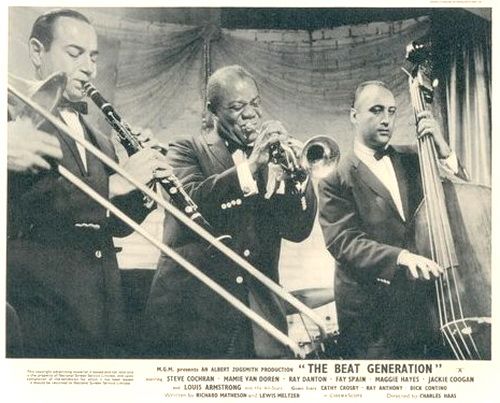
My opinion about the film, and the predictable disillusionment I had after watching On the Road, as well as arguments about problems of translating Beat literature to moving images need another place and time to be fully explained. However, the process of writing concurred with discovering new films and revisiting some of the milestones of Beat cinema which many of them would appeal to jazz people. Films such as Pull My Daisy (with Jack Kerouac's scrips and voice-over and a jazz score), Shadows (containing Charlie Mingus's soundtrack), The Connection (the groundbreaking Shirley Clarke film with Freddie Redd and Jackie McLean) and even the mediocre Subterraneans (based on Kerouac's novel) which features Gerry Mulligan's pianoless quartet have their own merits that in many different ways exceed so many limitation of what Salles offers us.
Saturday, November 12, 2011
Radio Hawkins#13: On the Road with Kerouac
برنامۀ سيزدهم
جك كرواك و موسيقي جاز
مجموعه قطعاتي از موزيسين هاي محبوب جك، كاري كه به اسم خود او نوشته و اجرا شده. اشعار او با صداي خودش و با صداي آلن گينزبورگ و مروري بر موسيقي بي باپ كه جك شاهد عيني تولد و اوج گرفتن آن بود
همراه با
لستر يانگ، برو مور، كانت بيسي، جرج شيرينگ، ساني استيت، فليپ فليپس، چارلي پاركر، ديزي گيلسپي، تلانيوس مانك
به برنامه سيزدهم در اين جا گوش كنيد
با كيفيت متوسط و متناسب با سرعت اينترنت ايران در اين جا
Wednesday, November 2, 2011
God's Empty Chair
From Jack Kerouac's On The Road:
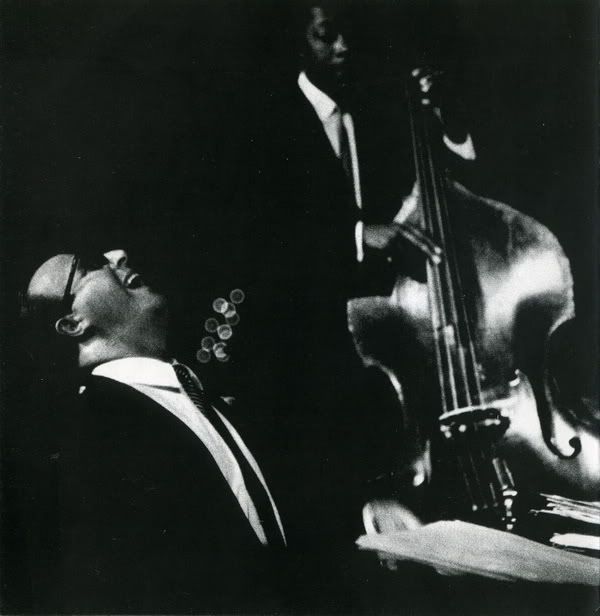
Dean and I went to see [George] Shearing at Birdland in the midst of the long, mad weekend. The place was deserted, we were the first customers, ten o'clock. Shearing came out, blind, led by the hand to his keyboard. He was distinguished-looking Englishman with a stiff white collar,! slightly beefy, blond, with a delicate English-summer's night air about him that came out in the first rippling sweet number! He played as the bass-player leaned to him reverently and thrummed the beat. The drummer, Denzil Best, sat motionless! except for his wrists snapping the brushes. And Shearing began to rock; a smile broke over his ecstatic face; he began to rock in the piano seat, back and forth, slowly at first, then the beat went up, and he began rocking fast, his left foot jumped up with every beat, his neck began to rock crookedly, he brought his face down to the keys, he pushed his hair back, his combed hair dissolved, he began to sweat. The music I picked up. The bass player hunched over and socked it in, faster and faster, it seemed faster and faster, that's all. Shearing began to play his chords; they rolled out of the piano in great rich showers, you'd think the man wouldn't have time to line them up. They rolled and rolled like the sea. Folks yelled for him to "Go!" Dean was sweating; the swear poured down his collar.
"There he is! That's him! Old God! Old God Shearing! Yes! Yes! Yes!" And Shearing was conscious of the madman behind him, he could hear every one of Dean's gasps and imprecations, he could sense it though he couldn't see. "That's right!" Dean said. "Yes!" Shearing smiled; he rocked. Shearing rose from the piano, dripping with sweat; these were his great 1949 days before he became cool and commercial. When he was gone Dean pointed to the empty piano seat. "God's empty chair," he said. On the piano a horn sat; its golden shadow made a strange reflection along the desert caravan painted on the wall behind the drums. God was gone; it was the silence of his departure. It was a rainy night. It was the myth of the rainy night. Dean was popeyed with awe.
a piano solo from 1943
من و دين [موريارتي] رفتيم [جرج] شيرينگ را تو كافۀ بردلند، وسط يكي از آن هفتههاي طولاني و ديوانهوار ببينيم. ساعتِ ده شب. سالن خالي بود و ما اولينِ مشتريها بوديم. شيرينگ روي صحنه پيدايش شد. يكي دست اين پيانيست كور را گرفته بود كه ببرد و بنشاندش پشت ساز. او جنتلمنِ متشخص انگليسي بود با يقۀ سفيد سفت و سخت و صورتي كمي گوشتالو و موهاي طلايي كوتاه شانه كرده به عقب. وقتي روي صحنه آمد انگار نسيم شبهاي تابستاني انگلستان را با خودش آورد، به خصوص وقتي اولين قطعه را اجرا كرد كه آهنگي شيرين بود كه در آن نتها مثل سنگي كه در آب آرام درياچه مياندازيم آرام از مركز گسترده ميشدند و صدا را بازتر و بازتر ميكردند.
همانطور كه شيرينگ پيانو ميزد نوازندۀ كنتراباس از سر ذوق و شيفتگي به جنتلمنِ انگليسيِ نابينا ضربهايش را گذاشت روي ضرب بينقص شيرينگ. دِنزل بِستِ طبال جُم نميخورد، مگر مچشهايش كه براشها را با دقت به حركت درميآورد و روي طبل وسط ميكشيد. شيرينگ شروع كرد به تكان خوردن. لبخندي روي صورتِ در خلسه فرورفتهاش شكفت. روي صندلي پيانو خودش را به عقب و جلو تكان ميداد. اول آرام اين كار را ميكرد و هرچه ريتم موسيقي تندتر شد رقص او روي صندلي شدت بيشتر گرفت. پاي چپش سر هر ضرب ميرفت بالا. گردنش خلاف جهت رقص بدنش به حركت درآمد. سر و تن ميخواستند هر كدام به سمت ديگري بروند. سرش را كشيد پايين دم كليدهاي ساز. موهايش را به سرعت زد عقب و موهاي شانه كردهاش به هم ريخت. شروع كرده بود به عرق كردن، چه عرقكردني.
موسيقي همينطور ميرفت جلو. نوازندۀ باس خم شده بود روي ساز و با پشت قوز كرده ميكوبيد روي سيمها و سرعت هي بالاتر ميرفت. به نظر ميآمد همينطور سريعتر و سريعتر ميشود. همه چيز شتاب ميگرفت. شيرينگ شروع كردن به زدن آكوردهايش. آنها مثل باران سيلآسا همينطور از پيانو بيرون ميزدند و به نظر ميآمد شيرينگ فرصت نظم دادن به آنها را ندارد و ديگر از كنترل خارج شدهاند. همانطور بيرون ميزدند مثل دريا. تمام نميشد. مشتريها فريادشان درآمد. «برو! برو!» دين عرق ميكرد و عرقهايش از يقيۀ لباسش سرازير ميشد پايين.
«خودِ خودشه. خود خداست! شيرينگِ خدا! برو! برو! برو!» و شيرينگ خبر داشت از اين مجنوني كه پشت سرش نشسته و اينها را فرياد ميزد. ميتوانست تك تك نفس نفس زدنها و نفرينها و شِكوِههاي دين را بشنود. ميتوانست احساسشان كند با آن كه نميتوانست ببينيد. دين گفت «همينه! همينه» لبخند نشست روي لب شيرينگ. به رقص درآمد. از روي صندلي پيانو نيم خيز شد. از تمام هيكلش عرق ميريخت. آن روزها روزهاي بزرگ سال 1949 بود قبل از اين كه موسيقي شيرينگ شيك و خونسرد و تجاري شود. قبل از اين كه ديوانگي و عرق از آن برود.
وقتي كه شيرينگ كارش تمام شد و رفت دين اشاره كرد به صندلي خالياش و گفت: «صندليِ خاليِ خدا». كسي يك ترومپت گذاشت روي صندلي خالي خدا و سايۀ طلايياش انعكاس عجيبي درست كرد روي نقاشي يك رديف كاروان وسط كوير كه روي ديوار پشت طبل نقاشي شده بود. خدا رفته بود. آنچه مانده بود سكوتِ پس از غيبت او بود. شب باراني بود. او اسطورۀ شب باراني بود. چشمهاي دين از فرط حيرت از حدقه درآمده بود.
از كتاب On The Road نوشتۀ Jack Kerouac
Tuesday, November 16, 2010
Jazz and Haiku
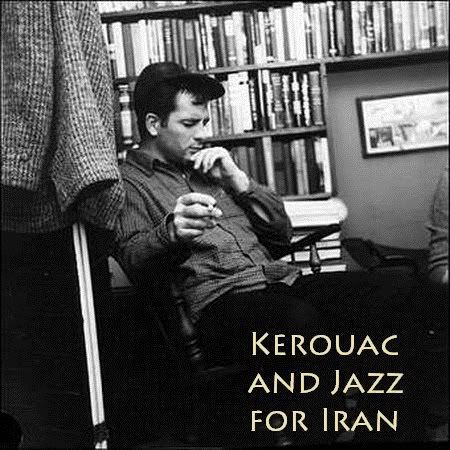
Last April I did a post of Jack Kerouac and his love for jazz. The main attraction was Sam Charters long lecture on his friend, Kerouac, and tracing the influence of jazz improvisation on his poetry. Now, let's roam around his haikus and see how they are bound to the world of jazz.
Kerouac developed a new definition for American haiku in his journal Some of the Dharma which are short three-line confessional poems that served to enlighten. Kerouac explains the difference between Japanese Haiku and American Haiku, as quoted by Nervous Musings, this way:
"The Japanese Haiku is strictly disciplined to seventeen syllables but since the language structure is different I don’t think American Haikus should worry about syllables because American speech is something again…bursting to pop. Above all, a Haiku must be very simple and free of all poetic trickery and make a little picture and yet be as airy and graceful as a Vivaldi Pastorella."
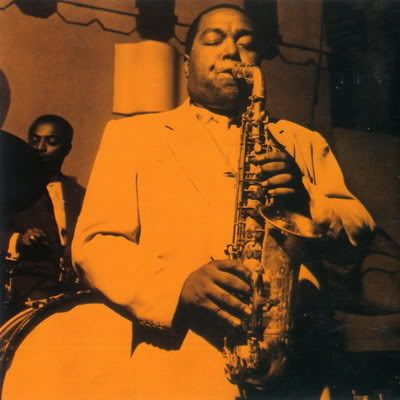
In 1958 Kerouac wound up in a recording studio with two of his jazz idols, Al Cohn and Zoot Sims. The trio laid down American Haikus and then another five tune/poetry for an album called Blues and Haikus (Hanover, 1959). Next year,it followed by Poetry of the Beat Generation (Hanover, 1959), largely consisted of Kerouac reading novel extracts over a jazz backing, "this record attempted to connect the words directly with the music; Jack riffing quick bursts of bop-prose followed by skirmishing from Cohn and Sims," says Sid Smith.
It's a great case of painting with sound, and poetry of jazz (not "poetry and jazz" - I mean listen to the musical words of Al & Zoot). And see how musician can overtake the poet, how advance looking these musicians were and how they are historically ignored as far as a pure art form is concerned. For instance, how many people, or even how many jazz people, today remember the swing brothers, Al Cohn and Zoot Sims?
Here is Zoot with his natural sense of swing, and shimmering, mellow warmth on tenor, and Al with his more darkened sound, his top-notch rhythmic pattern and his unique structure of musical ideas. These two cats can turn any Haiku into a ballad.
American Haikus, 1958, Jack Kerouac, with Al Cohn (tenor sax ) and Zoot Sims (tenor sax), produced by Bob Theile
In my medicine cabinet,
the winter fly
has died of old age.
Well here I am
2 pm.
what day is it?
The tree
looks like a dog,
barking at heaven.
Prayer beads
on the holy book,
my knees are cold.
In the morning frost
the cats step,
slowly.
No telegram today,
only more leaves
fell.
The castle of the Gandharvas,
is full of
aging young couples.
Early morning yellow flowers,
thinking about
the drunkards of Mexico.
The national scene,
late afternoon sun
in those trees.
Nightfall.
boy smashing dandelions
with a stick.
Holding up my purring cat
to the moon,
I sighed.
August moon.
Oh!
I got a boil on my thigh.
Drunk as a hoot owl,
writing letters
by thunderstorm.
All day long,
wearing a hat
that wasn’t on my head.
Beautiful young girls
running up the library stairs,
with their shorts on.
Crossing the football field,
coming home from work,
the lonely businessman.
Useless! useless!
heavy rain,
driving into the sea.
After the shower,
among the drenched leaves,
the bird thrashing in the bath.
The little worm,
lowers itself from the roof,
by a self shat thread.
Snap your finger.
stop the world.
rain falls harder.
Nightfall.
too dark to read the page,
too cold.
In my medicine cabinet,
the winter fly
has died of old age.
Following each other
my cats stop,
when it thunders.
Spring evening,
the two
eighteen year old sisters.
The postman is late.
the toilet window
is shining.
Wash,
hung out by moonlight,
friday night in may.
Empty baseball field,
a robin,
hops along the bench.
Black bird.
no! blue bird!
branch still jumping.
My rumpled couch,
the lady’s voice
next door.
The bottom of my shoes
are clean,
from walking in the rain.
Bee!
why are you staring at me
I am not a flower.
The barn,
swimming in a sea
of windblown leaves.
Glow-worm
sleeping on the flower,
your lights’ on.
Spring night.
the leaf
falling from the chimney.
the winter fly
has died of old age.
Well here I am
2 pm.
what day is it?
The tree
looks like a dog,
barking at heaven.
Prayer beads
on the holy book,
my knees are cold.
In the morning frost
the cats step,
slowly.
No telegram today,
only more leaves
fell.
The castle of the Gandharvas,
is full of
aging young couples.
Early morning yellow flowers,
thinking about
the drunkards of Mexico.
The national scene,
late afternoon sun
in those trees.
Nightfall.
boy smashing dandelions
with a stick.
Holding up my purring cat
to the moon,
I sighed.
August moon.
Oh!
I got a boil on my thigh.
Drunk as a hoot owl,
writing letters
by thunderstorm.
All day long,
wearing a hat
that wasn’t on my head.
Beautiful young girls
running up the library stairs,
with their shorts on.
Crossing the football field,
coming home from work,
the lonely businessman.
Useless! useless!
heavy rain,
driving into the sea.
After the shower,
among the drenched leaves,
the bird thrashing in the bath.
The little worm,
lowers itself from the roof,
by a self shat thread.
Snap your finger.
stop the world.
rain falls harder.
Nightfall.
too dark to read the page,
too cold.
In my medicine cabinet,
the winter fly
has died of old age.
Following each other
my cats stop,
when it thunders.
Spring evening,
the two
eighteen year old sisters.
The postman is late.
the toilet window
is shining.
Wash,
hung out by moonlight,
friday night in may.
Empty baseball field,
a robin,
hops along the bench.
Black bird.
no! blue bird!
branch still jumping.
My rumpled couch,
the lady’s voice
next door.
The bottom of my shoes
are clean,
from walking in the rain.
Bee!
why are you staring at me
I am not a flower.
The barn,
swimming in a sea
of windblown leaves.
Glow-worm
sleeping on the flower,
your lights’ on.
Spring night.
the leaf
falling from the chimney.
transcribed by Miray Nair
Wednesday, April 28, 2010
Jazz Writing

In my system, the form of blues choruses is limited by the small page of the breastpocket notebook in which they are written, like the form of a set number of bars in a jazz blues chorus, and so sometimes the word-meaning can carry from one chorus into another, or not, just like the phrase-meaning can carry harmonically from one chorus to the other, or not, in jazz, so that, in these blues as in jazz, the form is determined by time, and by the musician's spontaneous phrasing and harmonizing with the beat of the time as it waves & waves on by in measured choruses. It's all gotta be non stop ad libbing within each chorus, or the gig is shot.
-- Jack Kerouac
Thursday, April 15, 2010
Jack Kerouac and Jazz

Jack Kerouac loved the people, the things of life, the rivers, his mother, and, he also loved jazz. He loved jazz with such intensity that most of us can’t even imagine. He tried to create what we say a jazz writing style, a bop writing style that is evident in his very fine poetry book, Mexico City Blues (1959).
Here, in July, 1982, Sam Charters (born 1929) a novelist, blues and jazz historian, poet and the writer of Studies in Underground Poetry Since 1945, published in 1971 - and a groundbreaking work in the study of the Beats - remembers Jack Kerouac and his passion for jazz, while examining the influence of this music and certain jazz musician on his writings.
According to Allen Ginsberg in an interview originally published in Composed on the Tongue (1980), Jack Kerouac “learned his line” listening to early bebop. He was a regular visitor at Minton’s club, the house of bebop and modern jazz. And it was Lester Young who gave Jack Kerouac his first Marijuana! Dizzy Gillespie’s improvisational style and innovative harmonies had a profound influence on him. Charlie Parker, a rhythmically complex, improvisational idiom influenced Kerouac’s spontaneous approach to prose writing. Jack Kerouac honors Charlie Parker in the final three choruses of Mexico City Blues, praising Parker’s musical genius, recognizing his human position, and appealing to Parker for prayer on behalf of Kerouac. Thelonious Monk undoubtedly had his most profound influence on Kerouac, who emulated the rhythmic and harmonic intricacies of bebop in his spontaneous prosody. Kerouac even organized a collaborative jazz-poetry performance on East 10th Street in Manhattan in early October 1957, and called it “First Poetry-Jazz Concert.” Originally the performance was intended for the Museum of Modern Art.
This audio file includes personal comments and observations from Charters, poetry reading and reading passages from Kerouac books, plus playing some hot jazz and Kerouac’s own voice re-telling his history of Bebop. 84 minutes.
*Sound drops at 00:50:00 for a couple of seconds.
**Thanks to very generous David, from Isfahan, for sending the link.
Listen to On the road: The Jack Kerouac conference, Sam Charters lecture, Jack and jazz, July, 1982.
Subscribe to:
Posts (Atom)