Showing posts with label Free Notes. Show all posts

Sunday, March 24, 2013

All the Young Persian Cannibals [A Memoir]


The readers of this blog have probably noticed that lately I've been focusing on jazz in Hollywood films. There is no particular reason for this interest, except re-watching some of the films I had seen light years away and becoming slightly nostalgic about some of them, especially the one I'm going to mention today.

In the late 1990s, me and my two sisters, all of us in our teens, became fascinated by a film called Young Wolves about the life of a good-looking trumpet player and a troubled girl in the Deep South. However, later we discovered that the original name, just altered to Young Wolves in Persian-dubbed version, was All the Fine Young Cannibals. Again, after some years I heard some rumor that the film was loosely based on the life of Chet Baker, which considering the casting of Robert Wagner, one can argue that MGM producers wanted the young Chet and his rebellious life as the role model for the film's protagonist.
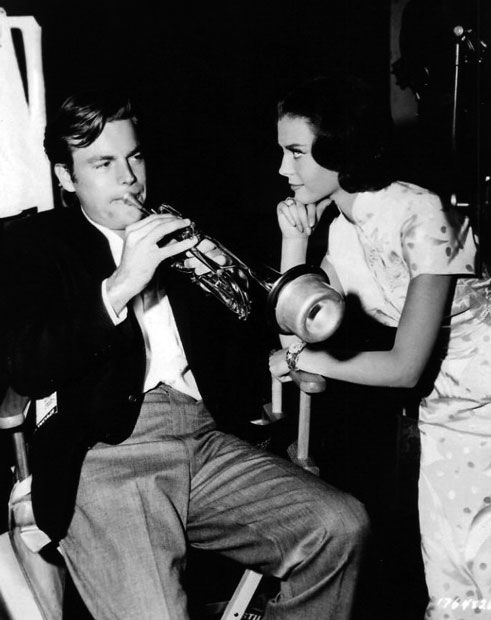
Robert Wagner and Natalie Wood

Sunday, December 25, 2011

Jazz Is the River: Last Notes from 2011

© Reza Hakimi | Sep 2011
1
This is my last post from the nearly finished year of 2011; a year that was marked by unrest in Middle East, continuance of a crippling recession, and the beginning of a global awakening against the cruelty and injustice of the capitalist system. Jazz had a small role in these affairs. Jazz "occupy", too, since it was and it is the music of social consciousness.

2
In the second half of the year I started my radio programme for Iran. It is obviously a jazz show, broadcasting weekly from an internet-based radio in Atlanta, Georgia. The idea is to bring jazz to a wider audience in Iran, mostly the younger generation who are evidently open to new things. I'm trying to provide an easy to access space that gives them the chance to hear this music, to learn about its history and the people who created it. Some of the shows are my selections of the tunes from different periods and different musicians, and some of them are focused on the lives and career of a particular artist (Billie Holiday, Miles Davis, Bill Evans, etc.). In between, certain themes and concepts in history of this music is explored and explained, among them the theme of "father", or "vibrato in jazz" or as my last programme for the year 2011, "female vocalists of the 1950s." 

Responses, especially from Iran, is heartwarming and despite all the difficulties folks have in Iran to access to the internet, listening to it, or downloading the podcasts, the number of downloads and clicks show it has good number of listeners. I'm really proud of this, and feel that my heavy dues to this music is partially paid by spreading the sound of truth. This activities even were reflected in Canadian CBC radio and they interviewed me about jazz in Iran and my concept of jazz as democracy.

3
Also in the year 2010 some great messengers of jazz left us, among them the departure of George Shearing, Snooky Young, Frank Foster, Ray Bryant and Bob Brookmeyer really broke my heart. The generation of the giants is vanishing and there is nothing we can do about it, except regenerating this music with new talents and new ideas. But even in the second decade of 21th century some of those giants still had extraordinary things to offer. It worth mentioning, among the gigs that attended (mostly at London Jazz Festival) how some of these past masters were as powerful as their 20s and 30s.  I will never forget Cedar Walton Quartet's magical performance at Ronnie Scott's, and Roy Haynes's magnificent combination of jazz and pure theater in Queen Elizabeth Hall, almost a month ago. As Philip Larkin, British poet and jazz critic says "one of the oddest features of the American jazz scene is the way the past refuses to be over." So I would argue there ain't no "past" in jazz. It's all about "now". That aspect of jazz reminds me of great Persian poet Khayyam. Charlie Parker is Khayyam of 20th century. But that's another story!

4
From this so called past, many great recordings shape my thoughts and feelings during the year that witnessed my move from north-eastern Iran, or city of Mashhad to London. Pepper Adams, like any other year, was a major figure, this year with Ephemera. A seminal statement on alto from Mr Phil Woods on Alive And Well in Paris. Thelonious Monk and his London Collection set. Rediscovering John Lewis. Digging Stan Tracey and seeing him in person in Kingstone. Exploring the hard-to-define musical territory of Tony Scott. A moving return to Ted Dunbar. Discovering forgotten masterpieces such as Paul Gonsalves's Humming bird (1970) and Jimmy Hamilton's Can't Help Swingin' (1961). Feeling like going out and shouting the names of Georges Arvanitas or Joe Albany in the open spaces. Getting acquainted to the velvety voice of Kenny Dorham who sings too. Deeply appreciating Charlie Barnet and his 1940s big bands. And finally, thanks to Mosaic and their new Ellington box set spending a golden month just playing those tunes over and over again.

By the way, in my humblest opinion, Teddy Wilson's piano is the best soundtrack for London town. That's enough for now!

5
Many European TVs and news agencies have their own treasure of jazz footage, whether a simple reportage, a proper TV appearance, or recording of a jazz event. Some of these treasures have leaked in the internet and one can find them on Youtube or other assorted websites. Some of them rarely been seen outside their native countries. Jazz archive of French TV, INA.fr, belongs to the latter group. They have many great archival materials that can be accessed on their website.

Unfortunately one have to pay to watch the whole show (and sometimes it's as long as a complete gig), otherwise it suddenly interrupts and leaves you with some regrets of not being able to watch it to the end. A little bit of generosity was needed to at least include one complete tune for free. Anyway, that's French style and segments are still too great to not be missed, including these favorites of mine:

Slide Hampton 1972 Complete 1 2 3 4
Johnny Griffin Trio (Klook & Arvanitas) 1973
and
Duke Ellington solo from 1965. Take the "A" Train is here.

Art Blakey in his INA.fr's interview points out "jazz is like a river, it has to flow." Indeed, it is like a river, and from my point of view, broad enough and deep enough to swim in it, float on it, and occasionally get drowned in it.

6
Some friends and colleagues believe that my appraisal of Nat Hentoff is overstated. This year, reviewing, re-reading and first-reading of his oeuvre showed that it could be anything but overstatement. Still, in my view, he is the best jazz writer we ever had. You can argue that we have better writers in terms of historical accuracy or academic substance, but as a whole, as a Writer, I'll go for Nat. He wrote about me on Wall Street Journal. So maybe 2011 was the most important year of my life, jazzwise!

7
Allow me to bid you a 2011 farewell with Strut that Thing by Clarence Lofton. "Pre-electric recording and dated instrumental technique make the historical sense necessary to enjoy some tracks," says Mr Larkin, "and the gaiety and colour is sometimes tiny and distant, like a miniature." But in this case is as vivid as someone who's playing it "now" and for you. See you next year and don't forget to STRUT THAT THING!


P.S. [28 December]

Duke at the airport, Switzerland, 8/2/1965

Wednesday, November 23, 2011

Jazz in Iran Demographics

Click on to enlarge!
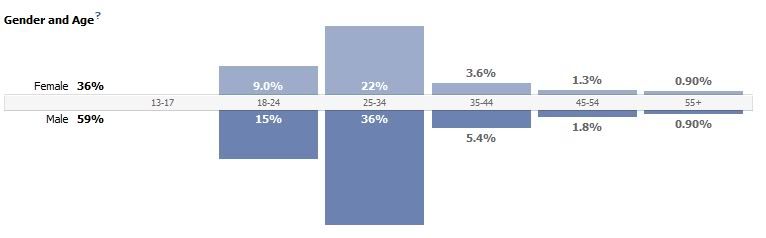
This very interesting demographics, showing gender and age of people listening to my recently started Jazz for Iran radio program, reveals something that needs more study and more appreciation: most of them are born during, or shortly after the revolution. They are born in a time that music, listening to it, or playing it was something out of question and simply belonged to the realm of satanic pleasures. Now one wonders how this affection, understanding, or curiosity emerged among this generation and how they kept exploring whatever was "forbidden" to them. This comes from Facebook page of the radio. All comments are welcome!

Tuesday, August 30, 2011

Willis "The Voice" Conover


Here you can hear one of my heroes, Willis Conovor, the broadcaster of VOA radio's jazz programme. He talks about how he got into jazz, his first records, his first radio shows, with that magical voice that for me is nothing but the voice of jazz. That voice was spreading the message of jazz to every part of the world, including Iran, as I heard it from people before me that how they learned about this music from Mr. Conover.

And to see the decadence of the culture that we used to admire, now VOA is playing to most ridiculous type of sonic distortion known as "today's music" for the countries that are fighting for freedom and democracy, again, countries like Iran. Do they think they're helping democracy by playing music about "asses shakin', and limos waitin'", the type that we can see and hear almost everywhere? Isn't it a robbery? An intellectual robbery!

I think they are betraying people of those countries, and betraying their own culture, but not giving the minimum room to what some not very clever people like me consider "the real voice of America." Where is the voice of Duke Ellington? Where is Sam Hopkins, Hank Williams, and Woody Guthrie? And the list can goes on forever.

Update [same day, 5:24 PM]

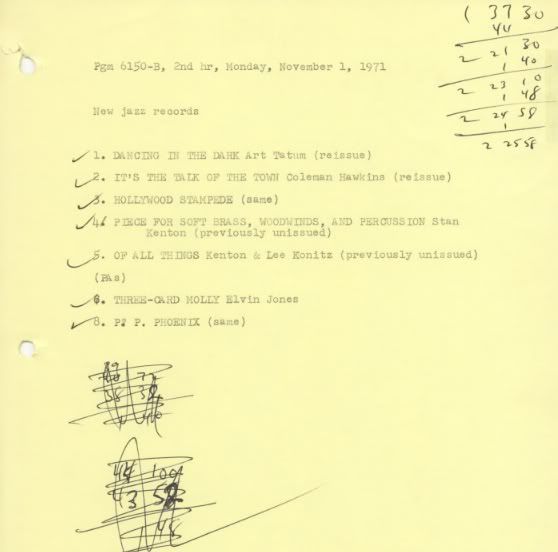
Check out the Connover archive from University of Northern Texas, including many scanned pages of his playlists, like this one from November, 1971:


Friday, August 19, 2011

A Threesome Quartet of Stupidity


I'm sure you've heard about the so called jazz people asking questions like "how many musicians are in Dave Brubeck Quartet". But this latest entry in stupidity of the industry is a new peak in their effort to show how illiterate they are, and how history of jazz and aestethic of this music is not their concern at all.

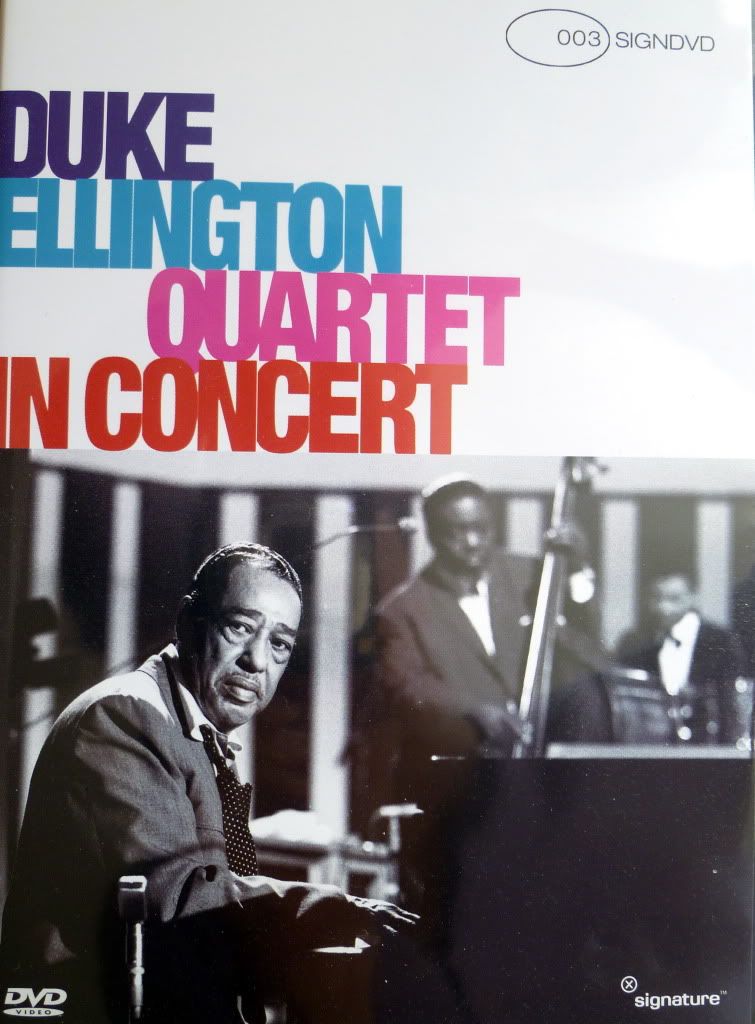
A considerate friend gave me this DVD of Duke Ellington that as the cover of DVD suggests, is a quartet in concert. The very first moment I saw it, I knew we have no quartet in concert by Duke. I assumed that it couldn't be Big 4 sessions, produced by Norman Granz which reportedly been filmed by him. They are  courtesy of the late Norman's Pablo label, and so an obscure label can't release it. All these thoughts came and went, till I unpacked the stuff and put it on DVD player. Yes, it is simply Duke Ellington Trio at Danish TV. A great performance indeed, and beautifully photographed by cameramen of Copenhagen TV,  including magisterial Meditation, On the Fringe of the Jungle, Second Portrait of the Lion, and Take the A Train, BUT widely available on the internet, and NOT a quartet as the packaging says, or lies. No need to say, the front cover doesn't belong to the that gig - a totally different rhythm section, and oh my what a section: Jones and Lamb!

There is this Lauren Bacall line, in her interview with my friend Mark Cousins, when she says about the cinema: "The industry is shit. It's  the medium that's great." We can second that and expand it to the world of jazz, in which industry is shit and it's the music itself that is so great.

Tuesday, November 16, 2010

Is Charlie Parker Arrogant?


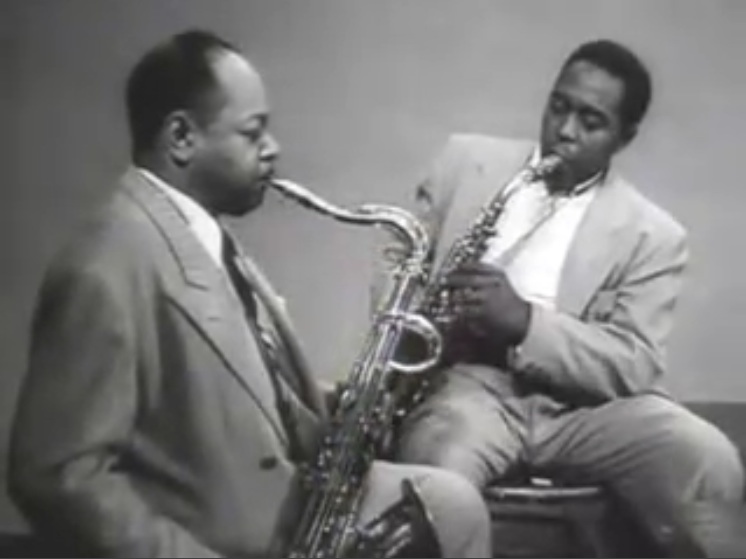
ليندا، يكي از دوستان جازي من، يكي دو روز پيش شكوه‌كنان به من نوشت كه ويدئوي كولمن هاوكينز و چارلي پاركر را ببين كه پاركر چه بي‌ادبانه سولوي هاوك را قطع مي‌كند و جان مادرت سعي نكن اين گستاخي آشكار را ماله‌كشي كني كه هيچ‌ جوري نمي‌شود توجيهش كرد. من ويدئو را دوباره ديدم. و حالا...

نه ليندا جان آن‌طور كه به نظر شما آمده نيست. اين فيلم بخشي از كارهاي سينمايي كوتاه نورمن گرنز درباره جاز بود. اولين بار با Jammin’ the Blues كه حتي نامزد اسكار شد طعم موفقيت را چشيدند تا اين كه تصميم گرفتند دوباره در استوديو و با نگاهي كاملاً سينمايي (به تدوين درخشان فيلم نگاه كن) چند موزيسين بزرگ را دور هم جمع كنند. وقتي بِرد با آن نت تند، ناگهان سولوي هاوك را قطع مي‌كند، انگار كسي از پشت دوربين به او فرمان داده. در اين فيلم‌ها «تايمينگ» دقيق است و به همين خاطر دست و بال نوازنده را مي‌بندد. كاري نمي‌شود كرد، اين ذات اجراي زنده جاز، براي دوربين و نه تماشاگر، است. تا جايي كه من مي‌دانم رابطه هاوك و بِرد دوستانه بوده و اگر به نگاه ايمان داري، فقط ببين وقتي هاوك مي‌زند برد چه كيفي مي‌كند و وقتي برد شروع مي‌كند هاوك را چه سويينگي برمي‌دارد. چارلي پاركر مرد هزار صورتي است و زندگي‌اش بيشتر معماست تا پاسخ‌هاي سرراست، اما يادم نمي‌آيد كه تا به‌حال كسي از نخوت او ياد كرده يا اين‌كه او را متهم به بي‌حرمتي به بزرگان و پدران اين موسيقي كرده باشد؛ من كه اصلاً به خاطر نمي‌آورم. با آن‌كه بي‌باپ هميشه در ذاتش آن تهاجم و گستاخي را داشته، اما غول‌هاي باپ (از پاركر تا گيلسپي، از مانك تا پاول) همه آدم‌هايي شريف‌تر و نجيب‌تر از آدم‌هايي‌اند كه من ديده‌ام يا درباره‌شان شنيده‌ام. پاركر هاوك را دوست دارد. اين فقط يك سوء تفاهم كوچك است.

Wednesday, August 18, 2010

A New Discovery of William Savory Recordings!

Thanks to my fellow blogger and always jazzly-alert, Ian of the Villes Ville, I became aware of a great discovery in the jazz world. According to Ian and a video from New York Times [below] a treasury of jazz recordings made by William Savory has been discovered. Savory was an audio engineer known for his extensive private recordings of important jazz musicians in the 1930s, and for his contributions to recording technology. He was part of the team that invented the 33 rpm long-playing record and developed the technique for cutting the masters of 78 rpm recordings that were being transferred to the new format. These discs have been donated to the Harlem's National Jazz Museum and it's in process of cleaning and digitizing. "It seems no exaggeration to say that these recordings may well make a shift in the geography of the landscape of classic jazz of seismic proportions," says Ian, "allowing us to look afresh at the work of relatively unacknowledged masters."


Monday, August 2, 2010

Jazz, Younger Generation and a Fragmented World

If I be judged by my age, I belong to what Marc Myers of JazzWax calls "F" generation. "The "F" here stands for "flighty," and anyone who has watched people in their 20s listen to music today knows what I'm talking about. Songs in iTunes libraries and on iPods serve mostly as white noise for this demographic group. Music is what you put on while working, organizing photos on your computer, i-Chatting or texting," Says Myers.

This statement or misunderstanding of it caused a blogging debate in Running the Voodoo Down and A Blog Supreme. Later Myers moderate his views by a new post and an explanation that "Young people are smart and jazz will survive. But jazz will certainly have a harder time winning over those who don't have the patience to listen—or read—carefully."

Myself, as an observer of what happening to serious music (any kind, from Classical to Jazz, from Blues to Rock, whatever moves people and transcend them), and also one who live outside United States, where is still less digitalized than States, must say that Marc is somehow right and most of my generation, but definitely not all of them, are seriously affected with the phenomenon of fragmentation and they are unable to make the whole picture from those fragments. But:
1) If we consider jazz culture a whole, made of thousands of recorded works and written texts, still there are portions of truth in every little bit of it and in every fragment of a broken mirror, still the whole picture exists.

2) We are living in a fragmented world, don’t we? So how can we expect to reach that “wholeness,” not only in jazz but in any other field of art. Just take a look at contemporary architecture or cinema. Compare an anti-Fascist film like Ernst Lubitsch’s To be or not to be with a recent anti-Fascist/Fascist flick like Inglourious Basterds. Compare works by unknown masters and those who build Gothic Cathedrals with a Zaha Hadid or Daniel Libeskind. It is simply the features of the age we are living in. We may like it, or we may not, but that’s it.

But now I think the main question is “what can we do?” We, jazz lovers, blogger, writers, whatever you call us, have this task of helping younger generations to get close to that essential image, as we try to find the answers and get close ourselves, of course if we believe in such a decisive image.

.

Thursday, June 3, 2010

From the Scrapbook

©Tom Myott

I've quoted these lines in my notebook, but I can't remember from whom. It sounds like Martin Williams, one of my favorite jazz writers, but I'm not sure. Whoever he is, he sounds true:

"Jazz is the music of a people who have been told by their circumstances that they are unworthy. And in jazz, these people discover their own worthiness. They discover it in terms that mankind has not experienced before. I have deliberately borrowed a theological term in saying "unworthy." I think it is an apt one because the experience of feeling unworthy is fundamental to the twentieth-century man who, whether he admits it or not, is in danger of losing his old gods or has lost them already. But the music involves discovery of one's worthiness from within. And it is thus an experience that men of many races and many circumstances have responded to. Perhaps through jazz, then, the gods, in some small way, prepare for their metamorphosis."

**

Monday, May 10, 2010

Good Morning Blues#2: Bucky Affair

The tune was Volare. It suddenly appeared while iPod was doing his shuffle thing, jumping from New Orleans in her heydays to a dying super stereo session in New York of the late 1960s. This uninvited Volare was a part of a heritage inherited to me from my friend/Uncle Ali-Reza. To listen to anything from his treasury, one needs wide open ears and Volare proved it one more time. Volare started with a bright swinging vibe introduction by master Lionel Hampton that session was recorded under his leadership as Lionel Hampton and Friends in 1977.

Then came the moment: one of the most floating sounds ever produced of strings. A Swing in full force, but at ease and like the sound of a man who is enjoying every breath he breathes. Life was glowing from every little note he was playing. His vibration was like a heartbeat: gentle, necessary and steadfast. A quick look at my discography book revealed his name: Bucky Pizzarelli. That was the first time I heard him and I won’t never forget that 'First.'

John Paul "Bucky" Pizzarelli (born January 9, 1926) is an American Jazz guitarist that has been a fixture in jazz and the studios since the early '50s. Self-taught, Pizzarelli has long been a master of the seven-string guitar. He toured with Vaughn Monroe before and after a stint in the military. In 1952, he joined the staff of NBC and 12 years later switched to ABC; in addition, he worked with the Three Sounds (1956-1957) and had several tours with Benny Goodman. In the 1970s he was more active in jazz, co-leading a duo with George Barnes and working with Zoot Sims, Bud Freeman, and Stéphane Grappelli, among many others. Pizzarelli acknowledges Django Reinhardt and Freddie Green for their influences on his style and mode of play. He is 84 now, still alive and on.
--Ehsan Khoshbakht

Saturday, February 6, 2010

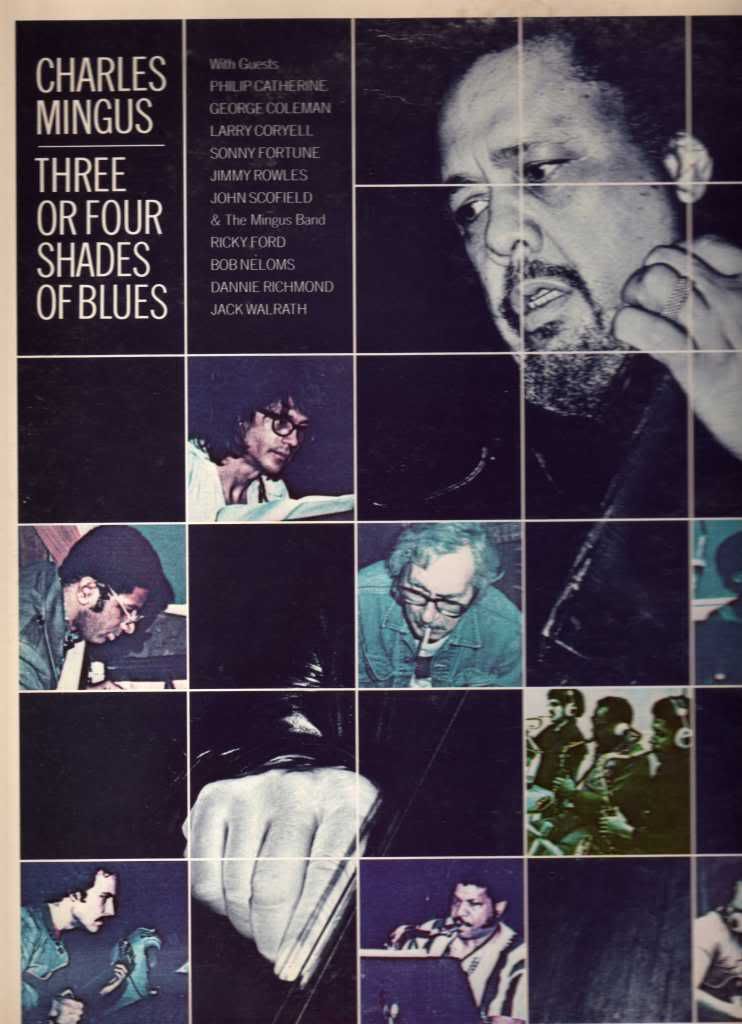
Notes On Charles Mingus


يادداشت‌هاي پراكنده درباره چارلي مينگوس، بخش اول
يك هفته‌اي است بعد از خواندن مقاله‌اي كه مارتين ويليامز درباره چارلي مينگوس نوشته دوباره به دنياي آتش و فرياد چارلي برگشته‌ام. حالا به‌درستي مي‌بينيم كه چطور صوت مي‌تواند تواني فيزيكي داشته باشد و مثلاً در Haitian Fight Song صوت به شما حمله‌ور شود (با كمي اغراق!) چگونه مثل موسيقي گاسپل يا مناجات‌هاي سياهان شما را وادارد كند تا كلمه به كلمه، نت به نت را با مينگوس تكرار كنيد.

برگشتم و مستند Charles Mingus: Triumph of the Underdog (1998) را دوباره ديدم. «من يك موزيسين مشهور آمريكايي‌ام، اما نه آن‌قدر مشهور كه بتوانم نان دربياورم.» اين صداي چارلي است كه در اول فيلم روي تصويري از او در خرابه‌ها مي آيد. اين‌كه در خرابه‌ها به دنبال چه مي‌گردد من خبر ندارم، احتمالاً دنبال آدم. تصادفاً ديروز جاناتان روزنبام در سايتش درباره فيلم نوشت. هم‌زماني عجيبي كه با فرستادن چند عكس از فيلم، براي مصور كردن آن مقاله، به فال نيك گرفته شد.
اريك دالفي در ساكسفون آلتو يك هيولاست. مينگوس مي‌گويد صداي او به وسعت صداي برد [چارلز كريستوفر ياربرد پاركر] است. گمان نمي‌كنم هيچ‌وقت به اندازه كارهايي كه دالفي براي مينگوس انجام داده (و البته در كنار كارهايش براي جان كول‌ترين) او را چنين شاعر اصوات و آواها ديده باشم. منظورم آن حض تمام و كمال است كه فرياد آدم را درمي‌آورد. به‌خصوص لبخندي كه او به جاني كول (نوازنده ترومپت در سِكستِت مينگوس) در كنسرت 1964 اسلو مي‌زند.

در اجرايي از "فيبوس" در پاريس، مينگوس در ميانه اجراي بداهه‌اي كه نزديك به سي دقيقه طول مي‌كشد سرود مارسي‌يز را تضمين مي‌كند. نشانه آزادي، برابري و برادري در مقابل فيبوس قرار مي‌گيرد. فيبوس فرماندار حرام‌زاده ايالت آركانزاس و مدافع قانون جداسازي سياهان و سفيدان در مدارس بود. شعر مينگوس براي او از آلبوم Mingus Ah Um حذف شد، در واقع سانسور شد. او يك فاشيست مدرن بود و تخم و تركه نحسش هنوز در زمين خداوند در حال زاد و ولد است.

Friday, December 4, 2009

Singing Off-Key, But Singing Anyhow


"I am going to sing for you, a little off key perhaps, but I will sing. To sing you must first open your mouth. You must have a pair of lungs, and a little knowledge of music. It is not necessary to have an accordion, or a guitar. The essential thing is to want to sing. This then is a song. I am singing.

It is the twenty-somethingth of October. I no longer keep track of the date. Would you say – my dream of the 14th November last? There are intervals, but they are between dreams, and there is no consciousness of them left. The world around me is dissolving, leaving here and there spots of time. The world is a cancer eating itself away… I am thinking that when the great silence descends upon all and everywhere music will at last triumph." Henry Miller, Tropic of Cancer


Wednesday, September 23, 2009

Jazz Encounters!


موسيقي جاز براي من هم موسيقي بيداري و حركت بوده و هم موسيقي خواب و ايستايي. هميشه به نظرم لحظۀ سنجش وابستگي حقيقي يك آدم به موسيقي زماني است كه فشار رواني آني و سنگيني بر او وارد مي شود. واكنش او نسبت به موسيقي در اين لحظه چگونه خواهد بود؟ كسي را در نظر بگيريد كه در اتوموبيلش مشغول شنيدن موسيقي است و با سر رسيدن چنين لحظه اي او را خواهيد ديد كه در اولين حركت دستش را به طرف پيچ يا دگمۀ ضبط صوت برده و «صدا را خفه مي كند تا افكارش را جمع كند.»
غالباً موسيقي به عنوان چيزي جداي از زندگي روزمره، نوعي افزودۀ شيك و رومانتيك به آن، شناخته مي شود. الحاقي هنري براي فواصل خنثي و آرام از زندگي. چنين است كه بيشتر مردم در مواقع گرفتاري و بي حوصلگي به هر چيزي فكر مي كنند الا موسيقي. اين جاست كه تكليف من با خيلي كسان و چيزها روشن مي شود. آن لحظه اي كه دستان آن ها تبر را برداشته و به ريشۀ صدا مي زند تا تعقل را «آزاد» كند، درست همان لحظه اي است كه موسيقي من آغاز مي شود. موسيقي همراه من در لحظات استيصال است. قرص مسكن من و محرك من است كه بي رحمانه الزامات رواني را ناديده گرفته و چنان دادوبيدادي راه مي اندازد كه روي نگراني ها و گرفتاري هاي دنياي فيزيكي كم شود. در عين حال موسيقي من ، يعني موسيقي جاز، نه چيزي است متافيزيكي و نه آدمي است كه براي اين شكل از افاده ها تره خرد كند. صداها و نت ها، ضربها و هارموني ها در جاز به خاطر غلبه بر همان چيزي كه «موقعيت مسلط عقلاني بشر» مي خوانيمش به چيزي تبديل مي شود كه حضرات متافيزيك بايد پابرهنه به دنبال آن بدوند تا شايد به ذره اي از جادوي خلسه مانند آن نزديك شوند؛ مثل حالا كه پـِپـِر آدامز با زوت سيمز، تامي فلانگان، ران كارتر و الوين جونز دارند اين بعدظهر گه را در هجوم بي‌امانشان محو مي‌كنند.
صحنه درست مثل اين است كه در عصر پيش از تمدن و تاريخ و در دشتي بزرگ پنج دايناسور مشغول دنبال كردن يكديگرند و بدن هاي صخره مانند و زره پوشيده شان را چنان به هم مي كوبند كه تا فرسنگ ها گياهان و بوته هاي خودرو تكان خورده و خاك برخواسته از آن ها ناظر حيران را از ادامۀ تماشاي اين صحنه محروم مي كند. درست مثل منظري پيش از تاريخ تمدن، هيچ نهاد و انجمن و مجموعه و قانون و اخلاق و اصل و ضرورت و معنايي وجود ندارد كه شما را نگران خود كند. دنيا صحنه اي خالي است كه در آن دايناسورها بازيگوشانه يكديگر را دنبال مي كنند و اگر جرأت و شانس داشته و پا را از غارتان بيرون گذاشته باشيد شاهد بازي باشكوه آن ها خواهيد بود. اين درست لحظه اي است كه آرت، زوت، ران، تام و الوين به اوج بازي باشكوهشان در آلبوم «برخوردها» رسيده اند، كاري از سال 1968 كه مي تواند كاري از 20 ميليون سال قبل از ميلاد مسيح يا بيست ميليون سال پس از اكنون فعلي باشد.


Remembering Pepper Adams


The other night, sick, tired and feverish as I was with a M.F. flu, I heard Ira Gitler’s voice coming through his apple-jam, remembering the day of Pepper’s passing. One could note how his voice was trembling as he was reminding us of Adams and his friendship with master and what happy days they’ve had together throughout all these years; very moving and at the same time funny and happy session. That was an apple-jam paying tribute to great masters of the big horn including all tenor cats like Stan Getz or Al Cohn who had done some bate work. In addition, great cats of the big horn like Leo Parker, S. Challoff , etc. Encounter (1969) LP was one of Gitler’s selected items for this special program and he paid a lot of homage to my great Zoot as well. God bless us all.

-- by ARP

Tuesday, September 22, 2009

On Noal Cohen

Noal Cohen is a musician, jazz historian, and record collector located in Montclair, New Jersey. I found his website while I was searching for a reliable discography source of Lucky Thompson records. Then I saw his huge collection of jazz record, mostly hard bop and early modern jazz albums. And that was enough to write him a letter.

Now I owe him two things; first introducing me to a special application (software) called Brian for organizing jazz cataloges and making discographies which is based in session discography; and second, his kind favor in giving me some incredible out-of-print jazz records that I was looking for some years.

One of these days I'm going to write about the records from Noal Cohen archive that I’m listening to, till then I think it worth mentioning two or three things about Noal himself.


Pee Wee Ellis on tenor saxophone and Noal Cohen on drums, probably 1956, at The University of Rochester, Rochester, NY.

He’s actually from Rochester, NY and a notable part of his website is dedicated to the musician who came from that area and clubs and dates that Noal himself was a part of them as a young drummer.

“I was born (1937), raised, and educated in Rochester, NY. In the early 1950s, I began taking drum lessons and playing around town. These activities eventually brought me into contact with many of the outstanding musicians located in the upstate New York area at the time. Since the Eastman School of Music was located in Rochester, the local scene was substantially enriched by many talented Eastman students interested in jazz, even though no jazz studies program existed then. Nonetheless, I can well remember jam sessions held in the tiny Eastman practice rooms with a dozen or so musicians packed in so tightly that there was barely enough air to breathe!”


with Oscar Peterson at The University of Rochester, 1957. Left to right: Noal Cohen, drums; Chuck Mangione, trumpet; Ron Carter, bass; Waymon Reed, trumpet; Benny Salzano, tenor saxophone; Oscar Peterson, Piano.

You’ll be surprised if you know that he even has played with the master of keyboards, Oscar Peterson:

“In 1957, the Oscar Peterson Trio came through town and an unexpectedly well-publicized jam session was arranged to allow some of the young local talent to perform with Peterson. Besides the piano giant, the band included Ron Carter on bass, Chuck Mangione and Waymon Reed on trumpets, Benny Salzano on tenor saxophone and myself on drums. We were terrified and unprepared and the atmosphere was tense even though Peterson was very understanding. Somehow we managed to nervously negotiate a Slow blues and Groovin' High before Herb Ellis and Ray Brown came on stage and the famous trio proceeded to give us and the audience a substantial lesson in jazz performance. It was one of those rather embarrassing learning experiences that every young, aspiring musician has to endure in order to grow and mature.”


Noal Cohen and Ron Carter at a jam session held in the student union (Todd Union) of The University of Rochester, Rochester, NY, 1959.

He’s been to all those incredible gigs in New York area, hearing giants like Jack McDuff, Ray Bryant, Miles Davis Quintet, Dizzy Gillespie, J.J. Johnson, the Sonny Rollins Trio, Lambert, Hendricks and Ross, Billie Holiday, Horace Silver's band and Art Blakey's Jazz Messengers (the Benny Golson/Lee Morgan/Bobby Timmons version) in person.

Once he even had his own trio for several months (1959) and had the opportunity to occasionally play opposite major groups like the Gerry Mulligan Quartet (with Art Farmer). Noal continued playing jazz for five decades. He is also the auteur of Rat Race Blues: The Musical Life of Gigi Gryce (with Michael Fitzgerald)

The Chuck Mangione Quintet rehearsing at Mangione's home in 1960. Left to right: Chuck Mangione, trumpet; Larry Combs, alto saxophone; Paul Tardif, piano; Dick Samson, Bass; Noal Cohen, drums.

Discovering a passionate jazzman is always a revelation, regardless of his popularity or having a name in the business. I still think there are hundreds of musicians like Noal, professionals in their own scale, who needs more attention and recognition.

--Ehsan Khoshbakht

© All photos from Noal Cohen site.

Saturday, September 12, 2009

Duke Ellington Photos

Back from a trip to northern Iran I feel too wasted to write something. The result of this rambling around and visiting my partner Ali-Reza Poodat, was discovering an obscure figure in jazz history which I'm going to write on extensively as soon as I get settled. Till then I announce my come back with a couple of Duke Ellington photos, the man who run the "A" train of mine, spiritually.

--Ehsan Khoshbakht

His majesty's hand, 1967

1967

Milan, 1964

Monday, August 24, 2009

Jazz or the New Patterns of Existence According to Cecil Payne


سيسيل پـِين در حوالي غروب دوشنبه
براي فردوسي فردوس
من نمي دانم به جز خود آقاي سيسيل پـِين (Cecil Payne) چه كسي مسؤول زيبايي باوقار، اندوهگين، روشن (چنان كه گويي كسي با يك جفت چشم درشت اشك آلود به تو زل زده است) و متعالي آلبومي به نام Patterns of Jazz است. آيا خداوند و كائنات در شكل گرفتن اين اصوات نقش دارند؟ آيا سنتي موسيقيايي كه از غول هايي مانند هري كارني تا جري موليگان (لااقل دربارۀ ساز دشوار، غول آساي و به غايت پيچيدۀ ساكسفون باريتون) مانند رود جاري است، باعث مي شود تا در 1956، پـِين را با لحني چنين محكم و بي نقص بشنويم؟
دوستان، خلاصه اينكه با وجود تمام نازيبايي هاي اين دنيا (يعني تمام گندي كه ما به آن زده ايم) قديسين و شاعراني هستند كه با هم به پشت ميكروفون رفته (آنها عبارتند از: دوك جوردن، اعجوبه اي در پيانو كه به زودي دربارۀ او خواهم نوشت، تامي پاتر، بيس و آرتور تيلور طبال؛ در نيمۀ دوم آلبوم كني دورام ترومپت مي زند) و مشاعره اي در اتاقك دودگرفتۀ آن سوي شيشه از آن ها ضبط شده است.

اين موسيقي، و جاز در شكل اصيل آن، آشكاركنندۀ مرز آگاهي و ناخودآگاهي بشر است. جريان تحولي كه اين موسيقي بيان مي كند فارغ از سوها و راستاها و فارغ از نمودار دو يا چند بعدي زمان و مكان است. تمام مسأله، لااقل براي من با تمام اين دست و پا زدن هايم، همين است كه چگونه از اين راستاهاي بي انتها كه ملال و نكبت از سرورويشان بالا مي رود كناره گرفت و بر ريش آنها خنديد؛ پاسخ براي من در موسيقي غول هايي مانند سيسيل پـِين، آرت پپر، بن وبستر، كوتي ويليامز، ارل هاينز و الينگتون نهفته است؛ در واقع نهفته نيست، اين غفلت من يا ماست كه باعث مي شود كاري ضروري تر از نفس كشيدن كه شنيدن آن ها باشد را براي خودمان نوعي كشف يا اعتبار قلمداد كنيم. من يا هر كس ديگر، اگر چنين فكر در سر داريم، در واقع خودمان را مسخره كرده ايم. زيبايي آنها مانند نور روز و تاريكي شب بديهي است، اين ما هستيم كه با حواس دست و پا گير چندگانه و ميزان هاي معيوبمان سعي داريم دنيا را در سر جاي خودش بنشانيم.
اين موسيقي لعنتي از آدم زنده، زنده تر است. همين حالا آن گرفتگي و حزن ابتدا (در حالي كه دو سه خطي من نوشته ام و چند قطعه اي از موسيقي آن ها گذشته است) جاي خود را به سويينگي جانانه داده است. همه مثل مترونوم دقيقند و نشان مي دهند كه دنيا چگونه مي تواند در آلبومي سي چهل دقيقه اي خلاصه شده و اين هستي هاي عريان چگونه دنيايي بي پايان كه خودشان بخش بي نهايت كوچك از آنند را بر ملا مي كنند.