R.I.P Leonard Cohen (1934-2016)
Showing posts with label Sonny Rollins. Show all posts
Showing posts with label Sonny Rollins. Show all posts
Friday, November 11, 2016
Sunday, January 12, 2014
Echoes: Sonny's Naima

From September 6, 1968, at Cafe Montmartre in Copenhagen, Denmark, Sonny Rollins Quartet performs Coltrane's composition, Naima. Kenny Drew (pic above) plays piano, Niels-Henning Ørsted Pedersen is on bass and finally Albert Heath occupies the drum chair.
Friday, February 24, 2012
Sonny Rollins: Discovery!

Last week BBC for the very first time, presented an astonishing Sonny Rollins filmed gig, from 7th July 1974 at Ronnie Scott's. Recently discovered and restored, this show is a great example of the artistry of Rollins in the middle of the 1970s, when his studio output - with many unnecessary overdubs - didn't show the exuberance of his live gigs, as documented here.
Here Sonny can be seen and heard, accompanied by Rufus Harley on soprano sax, wearing and playing bagpipes (I don't remember any other jazz session with this Scottish instrument), Yoshiaki Masuo on guitar, always loyal Bob Cranshow on bass, and David Lee on drums (though we never see him in the footage).
They play Alfie, Swing Low Sweet Chariot, East Broadway Rundown, Don't Stop the Carnival, A House Is Not a Home (most impressive, in my view) and some other tunes during a gig which lasts more than 50 minutes.
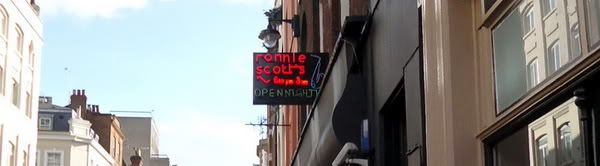
I found the use of bagpipe very likable, though not always in total command of the player. The only recorded album with bagpipe in Rollins's catalog that I remember is The Cutting Edge (Original Jazz Classics, 468) that was recorded in the same month as this London appearance.
It was filmed by 16 mm cameras, and a quarter inch sound tape of the gig exists to help the restoration process.
Depending on the camera, some of the footage is in black and white (mostly close ups of Sonny from the camera positioned near the stage) and some in color (back camera for the long shots of the club). The sound is reasonably good, and there is enough exhilaration in listening to it to ignore some temporary drops of sound, especially on guitar.
 |
| Sonny Rollins with Rufus Harley on bagpipes |
I couldn't stop thinking that Ronnie's at that time, when it was personally managed by late Ronnie Scott, was less than a tourist attraction and luxury restaurant than what it is now. In the footage Ronnie looks like what should it be: a jazz club.
I wonder how many of these historical treasures, and stunning archival footage are hidden in the basements and attics of people who have forgotten them. Thanks to BBC Arena for this great surprise.
Meanwhile, check out this post of jazz photos by Teenie Harris that along with Sonny Rollins was the best thing to keep my spirit up during the week.
Monday, October 31, 2011
Radio Hawkins#11: Lover Men
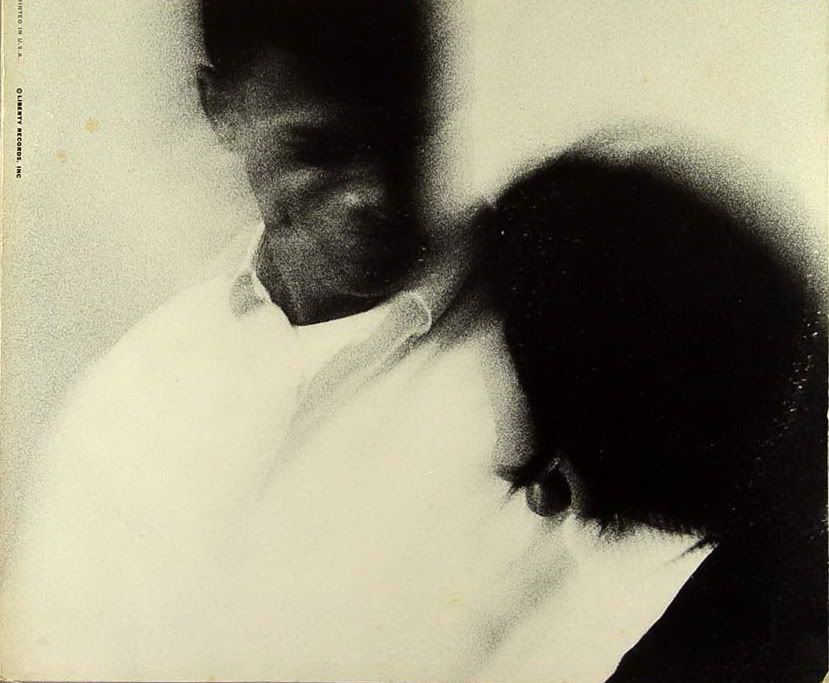
اجراهايي متفاوت از قطعۀ
LOVER MAN
توسط
بلاسِم دي يِري، كانت بيسي، سارا وان، واردل گري، دان باياس، كولمن هاوكينز، ساني راولينز، هري جيمز، ال هِيگ، جيمي اسميت، جي جي جانسن، جنگو راينهاد، ديزي گيلسپي، ساني استيت
برنامه را اين جا بشنويد
Sunday, October 9, 2011
Musicians on Musicians#3: Jennifer Anderson and 5 tenor

Jennifer Anderson is a saxophone player from Glenview, Illinois, and currently based in L.A. In addition to being a musician and painter, Mrs Anderson is a grade school music teacher. She is still doing her "big band thing," as well as working in the recording studios. I interviewed her via email, and here she talks about her influences and tenor saxophonists who have inspired her through the years. Like other interviewees, it was impossible for her to just stick to five names, and at one point she quoted from a friend, Chuck Johnson, to point how different players feel close to different sounds and musical personalities. "The attraction to Dexter Gordon for me is immediate because of his sound…big, robust, clear and warm," Jennifer quoted Chuck Johnson, "he has the ability to place every note he plays clearly and distinctly no matter the tempo of the tune. But delve beyond his sound and you find a musician with a fertile aptitude to create improvisations that build logically, melodically and with intensity, chorus after chorus after chorus. And he masterfully and cleverly injects song quotes within any song he is performing. Dexter was also able to synthesize the cool, lyricism and storytelling of Lester Young with the harmonic advancement and fluidity of Charlie Parker and create his own personality." Well, not only we learn from people we love, but also we learn from the way people love other people. That's the main point of these interviews.
◘ ◘ ◘
Sonny Rollins: One of my first jazz music lessons actually came from a Sonny Rollins record. My first saxophone was a tenor. I didn't know much about the saxophone or sax players at the time, so I went to the local record store and picked up some records with pictures of guys with a saxophones one the front. One of them way Sonny Rollins' Way Out West with drummer Shelly Manne and bass player Ray Brown. I loved the cover--he looked so bad-ass slinging the sax and wearing a ten gallon hat out in the desert. When I heard I'm an Old Cowhand I realized the song was him! Never mind that it was a hokey old song. The music sounded as serious as it was fun--and swung like crazy! You could transcribe Sonny's solo and study it in a college classroom, but I really heard his personality coming through. That really got my imagination because Sonny made me see potential and possibility. Throughout his career, he has really dug into that potential and possibility and amazed us all with his interesting use of harmony, fluidity, spontaneity, and wit. There probably are people out there jamming on his tunes right now as well as studying him in college classrooms!
Ben Webster: Like Duke Ellington said said "I've always had a yen for Ben". The distinctive sound of Ben Webster is one that you can recognize is a few notes. Whether he is playing sweet or growly sexy, you could never confuse his sound with anyone else. That sound always seems to go right to my gut somehow. He was a big sensation in the Duke Ellington band in the 40's. Many musicians have paid tribute to him by playing his Cottontail solo, which was a big hit for the Ellington band. My recomendation would be Poutin'!
Coleman Hawkins: I know that historically Coleman Hawkins is a very important innovator. He took an instrument that was more of a novelty and band instrument before the 30's and really wowed the world with his playing. This drew lots of attention to the sax and made it a much more popular as a "legitimate" instrument. But even so, I feel like he would be awesome during any time period, and he was! His career was amazing even through the bop era. His beautiful, strong, colorful, lyrical sound is one I could never tire of. I love how his lines are seamless and ornamental at the same time. What a brain he must have had. Maybe that's why his nickname was Bean.
Lester Young: Lester Young was one of the first people to inspire me to play the saxophone. What I heard made so much sense to me. He seemed to speak in complete musical sentences. I loved his light sound. The problem was that he influenced me so much that I was always playing too laid back, and not in a good way! I finally realized it and stopped trying to be Lester Young. There definitely was only one of him. He is also famous for playing and and recording with his friend Billy Holiday.
Stan Getz: He is probably most known for his work with Antonio Carlos Jobim, which created the Bossa Nova craze in the 60's. But during his career he played it all--big band, cool jazz, bop and more. I heard that he was inspired by Lester Young. He has always been a huge inspiration to me because of the pure magic he created with his sound. When I first heard The Girl From Ipenema I was absolutely spellbound. His magical sound hooked me. I am currently enjoying his recordings that he made with guitarist Johnny Smith.
Ben Webster: Like Duke Ellington said said "I've always had a yen for Ben". The distinctive sound of Ben Webster is one that you can recognize is a few notes. Whether he is playing sweet or growly sexy, you could never confuse his sound with anyone else. That sound always seems to go right to my gut somehow. He was a big sensation in the Duke Ellington band in the 40's. Many musicians have paid tribute to him by playing his Cottontail solo, which was a big hit for the Ellington band. My recomendation would be Poutin'!
Coleman Hawkins: I know that historically Coleman Hawkins is a very important innovator. He took an instrument that was more of a novelty and band instrument before the 30's and really wowed the world with his playing. This drew lots of attention to the sax and made it a much more popular as a "legitimate" instrument. But even so, I feel like he would be awesome during any time period, and he was! His career was amazing even through the bop era. His beautiful, strong, colorful, lyrical sound is one I could never tire of. I love how his lines are seamless and ornamental at the same time. What a brain he must have had. Maybe that's why his nickname was Bean.
Lester Young: Lester Young was one of the first people to inspire me to play the saxophone. What I heard made so much sense to me. He seemed to speak in complete musical sentences. I loved his light sound. The problem was that he influenced me so much that I was always playing too laid back, and not in a good way! I finally realized it and stopped trying to be Lester Young. There definitely was only one of him. He is also famous for playing and and recording with his friend Billy Holiday.
Stan Getz: He is probably most known for his work with Antonio Carlos Jobim, which created the Bossa Nova craze in the 60's. But during his career he played it all--big band, cool jazz, bop and more. I heard that he was inspired by Lester Young. He has always been a huge inspiration to me because of the pure magic he created with his sound. When I first heard The Girl From Ipenema I was absolutely spellbound. His magical sound hooked me. I am currently enjoying his recordings that he made with guitarist Johnny Smith.
Tuesday, July 26, 2011
A Guide to Best Jazz Scores for Cinema#5

5
Ray Heindorf
Pete Kelly's Blues
1955
1955
Jack Webb
Arranged by: Matty Matlock. Musicians: Teddy Buckner (cornet), Moe Schneider (tr), Matty Matlock (clarinet), Eddie Miller (ts), Ray Sherman (p), George Van Eps (g), Jud de Naut (b), Nick Fatool (d).
Ella Fitzgerald (vocal, also appears as Maggie Jackson), Don Abney (p), Joe Mondragon (b), Larry Bunker (d).
Peggy Lee as Rose Hopkins.
Ella and her trio (as above) perform Hard Hearted Hannah (The Vamp of Savannah)
4
Lennie Niehaus
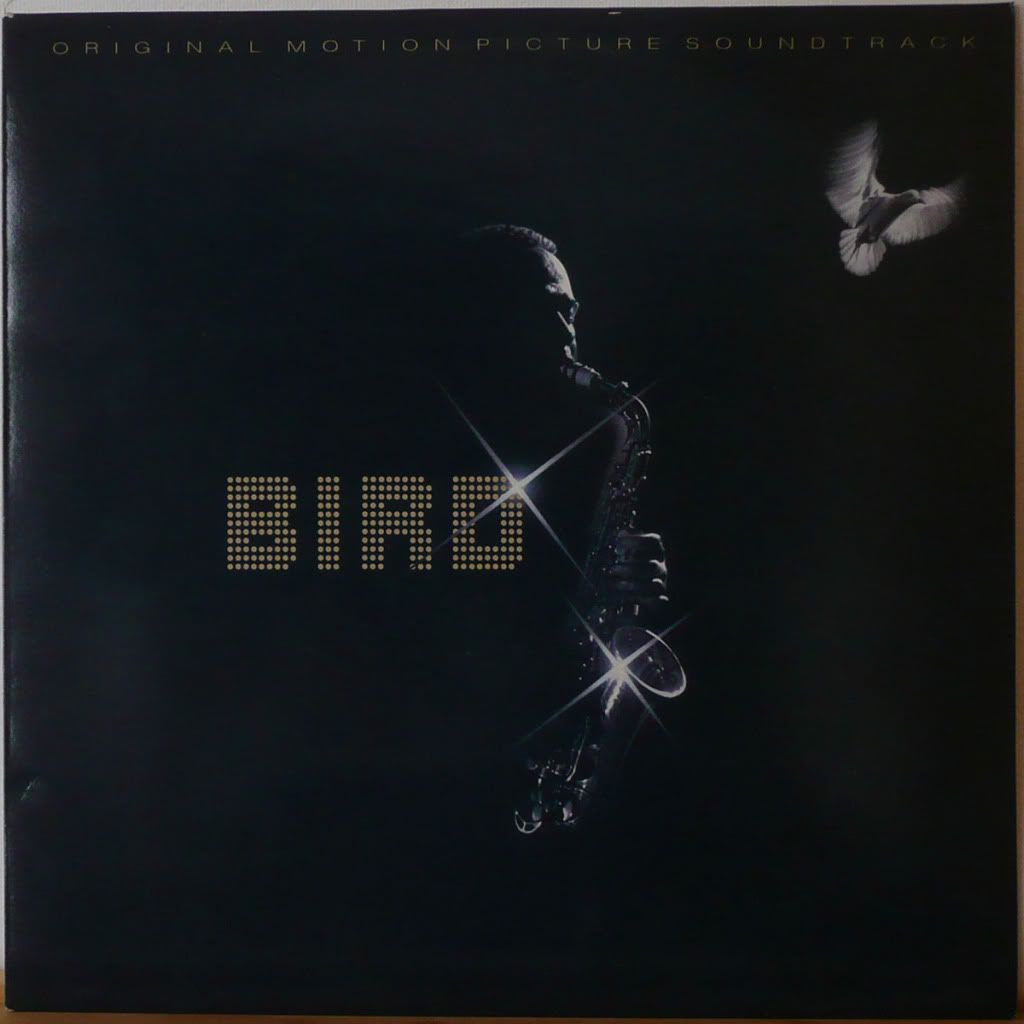
Bird
1988
Clint Eastwood
Musicians: Charlie Parker (as) [original rec. Alto track only], Lennie Niehaus (as) [filled in a few bars here and there], Pete Jolly (p) [solos], Tommy Tedesco (g), Charlie Shoemake (vib) .
trumpets: Jon Faddis, Red Rodneyalto saxes: James Rivers, Charles McPherson
pianists: Monty Alexander, Barry Harris, Mike Lang, Walter Davis, Jr.
bassists: Ray Brown, Chuck Berghofer, Chuck Domanico, Ron Carter
drummer: John Guerin
According to David Meeker "this movie contains some of the most complex and successful music tracks ever created for the director rightly insisted that original Charlie Parker solos must be used. Lennie Niehaus and his team, particularly recording engineer Bobby Fernandez, therefore cleaned up the original records electronically, isolated Bird's solos and re-recorded them with new backing groups."
Lover Man


Return to Part 4
3
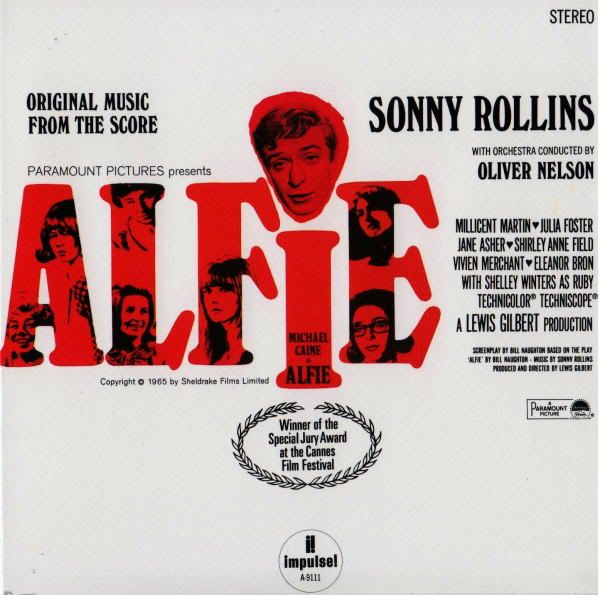
Sonny Rollins
Alfie
1965
Lewis Gilbert
Musicians: Keith Christie (tr), Sonny Rollins, Ronnie Scott, Tubby Hayes (ts), Stan Tracey (p), Dave Goldberg (g), Johnny Hawksworth (b), Phil Seamen (d).
Listen to the Alfie's theme
2
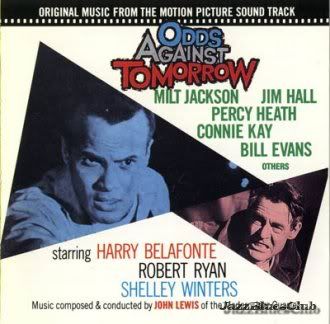
John Lewis
Odds Against Tomorrow
1959
1959
Robert Wise
Musicians: John Lewis/Bill Evans (p), Jim Hall (g), Milt Jackson (vib), Percy Heath (b), Connie Kay (d) + orchestra which included Joe Wilder, fluegel horn.
Listen to main theme (Odds Against Tomorrow)
1
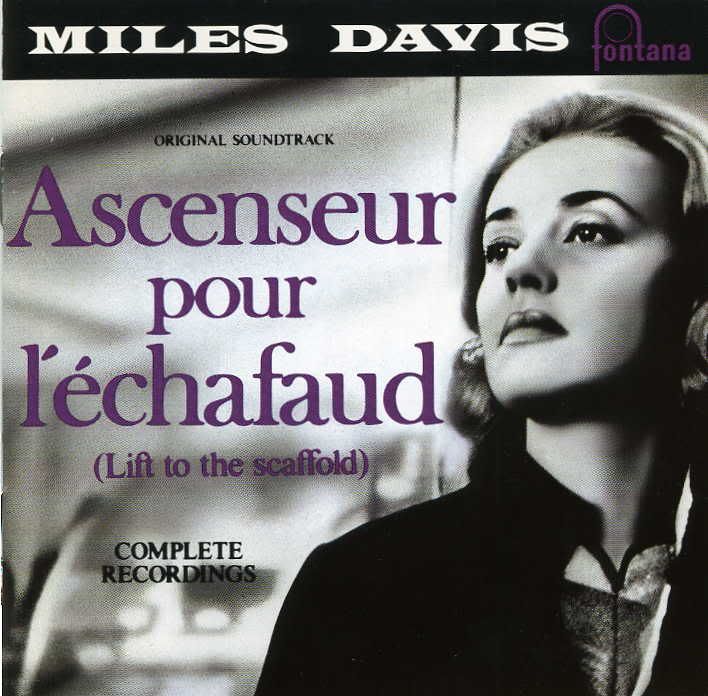
Miles Davis
Ascenseur pour l'échafaud
1957Louis Malle
Musicians: Miles Davis (t), Barney Wilen (ts), René Urtreger (p), Pierre Michelot (b), Kenny Clarke (d) .
Nuit sur les Champs-Élysées
Return to Part 4
Monday, September 21, 2009
Saxophone Colossus (Sonny Rollins)
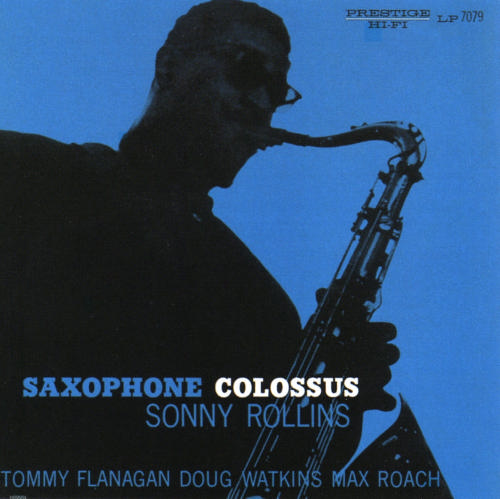
از اين پس دوشنبه هاي هفته يكي از آلبوم هاي جاز كه در سير تاريخي و زيبايي شناسي اين موسيقي نقشي مهم دارد و شنيدن آن براي هر دوستداري واجب است را معرفي مي كنم. با آن كه گذاشتن لينك هاي دانلود كاري نيست كه مايل به انجامش باشم، اما براي دوستداران اين موسيقي در جايي كه تمام دروازه ها بسته است تنها راه ممكن به نظر مي آيد. يادداشت هاي مختصري دربارۀ هر آلبوم را هم ضميمۀ آن خواهم كرد. و چه شروعي باشكوه تر از ساني راولينز، غول ساكسفون تنور در آلبومي به نام «غول ساكسفون»!
ساني راولينز در 1956 دهمين آلبومش براي كمپاني پرستيژ (متخصص ارائۀ موزيسين هاي انقلابي در آن سال ها) ضبط كرد به نام Saxophone Colossus كه شد استانداردي براي موسيقي جاز مدرن (درست مثل رقيبش Kind of Blue كه سه سال بعد توسط مايلز ديويس ضبط شد) و معياري براي سنجش مرزهايي كه يك ساكسفونيست، ماجراجويانه و با اعتماد به نفسي خارق العاده و صدايي محكم تر از كوه مي تواند فتح كند. آلبومي با نشانه هايي از جستجوي معنوي راولينز براي آرامش كه موزيسيني ناآرام را تصوير مي كند كه تنها در لحظۀ دميدن در سازش خود را از تمام زوائدي كه دور و برش مي بيند جدا كرده و به Trans در مي آيد، رقصي در خلسه و سفري بي پايان با نت هايي كه گيرايي شان پاياني ندارد.
او از «توماس قديس» در قطعۀ اول به اجراي بالادي فراموش نشدني دست مي زند به نام «تو نمي داني عشق چيست». با شنيدن آن باور مي كنيد كه راولينز بتواند چنين ادعايي را به هر كسي در اين كرۀ خاكي بكند كه «تو چه مي داني عشق چيست!»
نام قطعۀ تند هارد باپ Strode Rode از هتل استراد در شيكاگو مي آيد، جايي كه دوست راولينز، فردي وبستر (استاد مسلم ترومپت و كسي كه مايلز ديويس او را "بزرگ ترين" مي خواند)، جانش را بر اثر مصرف هرويين زهرآلودي كه حاصل انتقام پااندازها و خرده فروش هاي هرويين بود از دست داد.
راولينز سپس اپراي سه پولي برتولد برشت را مبناي اجراي Moritat قرار مي دهد. آلبوم با قطعۀ يازده دقيقه اي Blue 7 تمام مي شود؛ شاهكاري از ريتم هاي پيچيده، ملودي هاي درهم تنيده و سولوهاي بي نظير براي اعضاي كوارتت.
The original 22 June 1956 session was recorded by Rudy Van Gelder
All compositions by Sonny Rollins except where noted.
1. "St. Thomas" – 6:49
2. "You Don't Know What Love Is" (Gene de Paul) – 6:31
3. "Strode Rode" – 5:17
4. "Moritat" (Kurt Weill) – 10:06
5. "Blue 7" – 11:18
Line up:
Sonny Rollins — tenor saxophone
Tommy Flanagan — piano
Doug Watkins — bass
Max Roach — drums
All compositions by Sonny Rollins except where noted.
1. "St. Thomas" – 6:49
2. "You Don't Know What Love Is" (Gene de Paul) – 6:31
3. "Strode Rode" – 5:17
4. "Moritat" (Kurt Weill) – 10:06
5. "Blue 7" – 11:18
Line up:
Sonny Rollins — tenor saxophone
Tommy Flanagan — piano
Doug Watkins — bass
Max Roach — drums
آلبوم براي شنيدن اين جاست.
Sunday, September 20, 2009


Friday, August 14, 2009
A Guide to the Music of Thelonious Monk, in Farsi - Part III

راهنماي موسيقي مانك، بخش سوم.
دورۀ پرستيژ مانك با ديدار تاريخي او با ساني راولينز (نوازندۀ ساكسفون تنور) به اوج خود مي رسد. در يادداشت قبل تريوهاي او در پرستيژ را مرور كرديم اما بهترين روزهاي مانك در اين دوران با آلبوم تلانيوس مانك و ساني راولينز رقم خورده است. يكي از باشكوه ترين و زنده ترين لحظات راولينز را بايد در ورودش به آلبوم، لحظۀ نخست آهنگ اول كه The way you look tonight نام دارد، بشنويد. البته تمام اين آلبوم ، بر خلاف عنوانش، با ساني راولينز نيست و يك دو قطعه اجرا شده با تريو نيز در آن وجود دارد.
اين دوره براي شناساندن مانك به موسيقي دوستان و منتقدان بسيار مهم است چرا كه در آن روزها مانك به خاطر لغو مجوز اجراي زنده در كافه اش نمي توانست در نيويورك كنسرت بدهد (اصل قصه اين است كه مانك را با رفيقش باد پاول در ماشين مي گيرند و مانك حاضر نمي شود چيزي كه در اصل متعلق به باد بوده را لو بدهد، بنابراين خودش متهم و از كار محروم مي شود)، بنابراين دو آلبوم آخرش در پرستيژ براي نشان دادن عمق ايده هاي تازۀ او در موسيقي نقشي مضاعف بازي كردند.
Labels:
Albums,
Discography,
Farsi,
Hard Bop,
Miles Davis,
Modern Jazz,
Sonny Rollins,
Thelonious Monk
No comments:

Monk; The Genius of Modern Music - Part III
4 Prestige Years – Quintet and more

Thelonious Monk Quintet
Julius Watkins (frh) Sonny Rollins (ts) Thelonious Monk (p) Percy Heath (b) Willie Jones (d)
NYC, November 13, 1953
Let's Call This / Think Of One /Think Of One /Friday The Thirteenth
Thelonious Monk - Monk (Prestige PRLP 7053; Fantasy OJC 016, OJCCD 016-2)
Thelonious Monk And Sonny Rollins (Prestige PRLP 7075; Fantasy OJC 059, OJCCD 059-2)
Thelonious Monk/Sonny Rollins - Work (Prestige PRLP 7169)
Thelonious Monk Quintet
Ray Copeland (tp) Frank Foster (ts) Thelonious Monk (p) Curly Russell (b) Art Blakey (d)
Rudy Van Gelder Studio, Hackensack, NJ, May 11, 1954
Wee See /Smoke Gets In Your Eyes /Locomotive / Hackensack
Thelonious Monk - Monk (Prestige PRLP 7053; Fantasy OJC 016, OJCCD 016-2)
Thelonious Monk - Blue Monk, Vol. 2 (Prestige PR 7848)
Thelonious Monk - Sonny Rollins Quartet
Sonny Rollins (ts) Thelonious Monk (p) Tommy Potter (b) Art Taylor (d)
Rudy Van Gelder Studio, Hackensack, NJ, October 25, 1954
I Want To Be Happy /The Way You Look Tonight / More Than You Know
Thelonious Monk And Sonny Rollins (Prestige PRLP 7075; Fantasy OJC 059, OJCCD 059-2)
Thelonious Monk/Sonny Rollins - Work (Prestige PRLP 7169)
Miles Davis Quintet
Miles Davis (tp) Milt Jackson (vib) Thelonious Monk (p) Percy Heath (b) Kenny Clarke (d)
Rudy Van Gelder Studio, Hackensack, NJ, December 24, 1954
Bags' Groove / Bags' Groove (alt. take) /Bemsha Swing /Swing Spring /The Man I Love /The Man I Love (alt. take)
Miles Davis - Bags' Groove (Prestige PRLP 7109; Fantasy OJC 245, OJCCD 245-2)
Miles Davis And The Modern Jazz Giants (Prestige PRLP 16-3)
Subscribe to:
Posts (Atom)