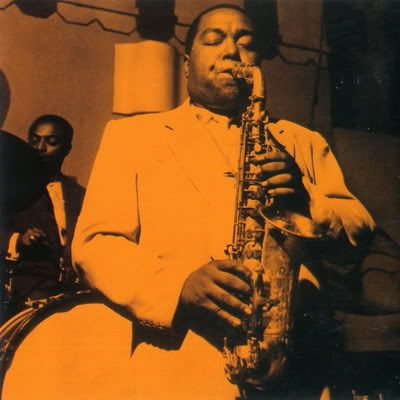
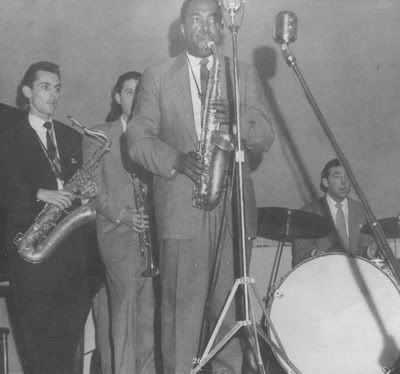
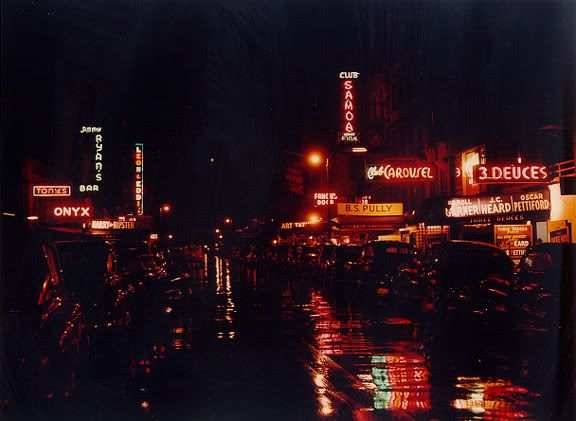
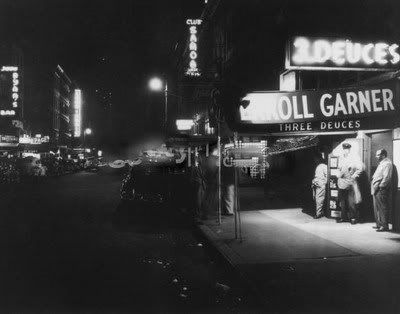
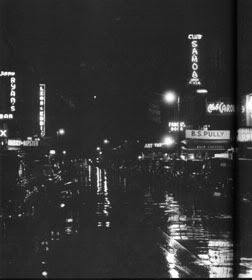
The Royal Roost was a jazz club located at 1580 Broadway in New York City. Opened in the Spring of 1948, it was designed to stage the more experimental jazz trends of the day. Thus, the cream of "experimental jazz musicians" in town became the club regulars, among which Charlie Parker had the most remembered (and recorded) residency throughout 1948 and 1949.
Paul Bacon describes the atmosphere of the club as something of "tremendous vitality and urgency." He portrays one typical night at the Roost as following:
"The air inside is full of crackling expectancy, chaos... Some few tables in front of the stand are empty, awaiting the important hipster crows - theater, sports, radio people - who will fill those chairs in a late-arriving flurry. Much craning of necks, more greetings. Somebody - Max Roach, in fact - come out, leans over from the bandstand and has an animated conversation with an important-looking bearded man. Looking around, one's first impressions are reinforced; this is the center of the world!"
Many live recordings from the legendary Roost performances have surfaced ever since. This collection, found on the Internet Archive, presents some of them, featuring my favorite Roost line-up of Bird with Al Haig (on piano) and Max Roach (drums).
In 1951, Charlie Parker was in trouble. He had been in trouble for long before and quite a while after that particular date, but 1951 saw a shift in the way drug scene was exposed in the press and also in the way it was handled by the FBI. Though Parker wasn't unfamiliar with the word "trouble", this time a nation-wide prosecution of celebrity drug addicts had made things tough for him. In the summer, Parker had played at Birdland with Machito, a gig which happened to be his last New York performance in nearly 15 months. Soon after, for some obscure drug charges, his "cabaret license" (license for performing music in the premises in which alcohol is served) was revoked. He was jobless.
Charlie Parker's saxophone case
His manager, trying to keep him busy, send Parker on the road, where he could still play without a license. Being on the road meant that he needed to be part of an already touring group. That's when Bird was united with Woody Herman's Big Band - the Third Herd edition.
Hank Jones remembers his early Bop influences after leaving the Detroit area. He put a stress on the role of Al Haig in finding his own musical voice which was not a total departure from the Teddy Wilson tradition, but it was more a modern variation of that:
"When I first got to New York, one of the first groups I heard was the Dizzy Gillespie-Charlie Parker group. Al Haig was the pianist at the time: Now I understand that he and Bud Powell alternated with the group, as did Max Roach and Stan Levey on drums. But during the initial period when I first came to New York, Al Haig was the pianist.
Recently attended a screening of Vincente Minnelli's I Dood It (1942) at National Film Theatre, I was amazed by its dedication to jazz music of the early 1940s. One of the subtexts of the film is the transition from popular big band music to a more personal, wilder and challenging jazz which is soon about to happen in Minton's club. Though there is no reference to revolutionary bop music in I Dood It, the sharp contrast between early scenes in Jimmy Dorsey's MGM style club with its white sets, and overdecorated space with the last numbers played by Hazel Scott and Lena Horne alludes a change in life-style and art in which main characters with their social differences can reunite.
مجموعه قطعاتي از موزيسين هاي محبوب جك، كاري كه به اسم خود او نوشته و اجرا شده. اشعار او با صداي خودش و با صداي آلن گينزبورگ و مروري بر موسيقي بي باپ كه جك شاهد عيني تولد و اوج گرفتن آن بود
"Being born blind, there was nothing for me to get used to about blindness, because it was there from the start. I didn't know, and still don't, what having sight is like, but from earliest childhood I've also been aware that there isn't such a thing as a blind world. There's a sighted world to which all blind people have to adapt and adjust. In due course, as an adult, I eventually came to the conclusion that even if I were offered the chance of sight, I would refuse it, because it would be so shattering to see everything around me that I had only known as sounds up until that point.
I'd have to go through a whole new process of education, because everything from reading or writing is entirely different. I'm used to hearing cars go by, not to seeing them flash in front of my eyes. There are things I'd love to be able to do, such as to get up from a group of friends and say, "I'll see you guys later on," and mean exactly that.
Maybe we miss a lot, but for the most part that's more than made up for by what we have to replace sight – the ability to conceptualize the world through sound, or our other senses, and the close connection with all those other people who help us get our bearings in unfamiliar surroundings, whatever they may be. Living in a world in which sound plays the most important role has always been a great stimulus to me as a musician." ~ Sir George Shearing
Just a day after my arrival to London, and while I was totally confused by the underground labyrinth of it, came the news of George Shearing's death. It was the third unfortunate occurrence in a row, all happened in less than 24 hours. After overcoming the feeling of being a Cassandra, and after getting acquainted to Tube, and while my discovery of stations and streets was accompanied by Complete Live Capitol Recordings of George Shearing, on my iPod, now I've found myself again, and here is a belated tribute to the man:
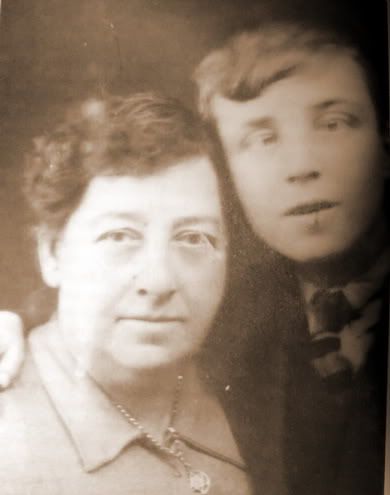
Young George with his alcoholic mother
Londoner George Shearing (born in 1919) was blind from his birth, and was a pianist from early childhood. Coming from a poor family of nine, he attended Linden Lodge School for the Blind [photo on the right] during the early 1930s. His first paid work was at a South London pub, the Mason's Arms, then played in Claude Hampton's National Institute for the Blind Band (1937). Did first solo broadcast in February 1939. Resident at the Nut House, London, from summer of 1939. Briefly in South Wales, then gigged with Stephane Grappelli before playing solo residency at the Starlight Club, London (spring 1940). Joined St Regis Hotel Quintet which was subsequently led by Harry Parry (1940), also worked at Hatchett's Club, London, with Stephane Grappelli and Dennis Moonan. I never forget the story told by Grappelli about how George lead them to their hotel room, during blackouts of night bombings of London in war days. The idea of a blind man, guiding other fellow musicians among the fog and ruins is the to the world of George Shearing music. At this stage Shearing was under the influence of Art Tatum, Fats Waller and Teddy Wilson.
Shearing with George Evans, Harry Parry then joined Ambrose's Octette from July 1941 until April 1942. Toured with Stephane Grappelli Swingtette (1943) and played night clubs, then joined Frank Weir (1944), later (1946) becoming part of Weir's two piano set-up (alongside
Ralph Sharon). Joined Harry Hayes from July to November 1946, then visited the USA for four months. Returned to Britain, again toured with Stephane Grappelli (April 1947).
On piano-accordion and piano with Frank Weir (summer 1947), then emigrated to the USA in November 1947. This geographical change caused a certain change in his music, too: Shearing who always was a swing-style player quickly adopted much of the bebop vocabulary. Though his way of playing bop has a reserved, and gentle touch. "Who needs an English Art Tatum?" says Shearing about adopting his new styles in interview with pianist Billy Taylor. And that's true. Think about hundreds of imitators who has gone with the wind and there is no trace of them anymore, especially when you're not originally an American product. Later, he added a Latin flavor to his music, which this piece could be an example of that:
Cool Mambo
In 1949, Shearing formed a quintet with a suitably soft instrumentation: vibraphone, amplified guitar, piano, bass, and drums (usually restricted to brushes). His quintet arrangements included locked-hands voicings with the vibraphonist doubling the top note and the guitar doubling the bottom. This "Shearing sound" was extraordinarily successful; it is the sound by which many fans identify him even today. “What many people didn't know about George was his courage," remembers John Levy, his bassist and manager, in an interview with Marc Myers, "in 1949, this guy had formed an integrated group with two white guys, two black guys and a white woman on stage together. Today, this might seem like so what. But back then, you just didn't do that, especially in some cities. Many people told George that he’d do better if all of his were white. He didn’t know what they were talking about. He’d get pissed and say, 'I don’t know what color they are. All I know is that they play what I like to hear and I love their intonation.' Only a few people had the nerve to come up to him and say stuff like that."
From this period Lullaby of Birdland and Conception became jazz standards. Even Miles Davis did his version of Conception, although Shearing recently complained that Miles got the bridge wrong!
From 1970s, Shearing abandoned the quintet format, thereafter worked with own trio and in duos with various double bassists as well as being featured with large orchestras. He has recorded many albums with jazz singers, including Nancy Wilson, Mel Torme, Carmen McRae, Dakota Staton, Peggy Lee, and Nat Cole.
With Nancy Wilson - On Green Dolphin Street
We know that how many critics have essential problems with easy-swinging and those pianist who have pure rhythmic/melodic approaches, like George Shearing. In one of the most famous anti-Shearing articles, Martin Williams wrote:
"What Shearing was and is doing is popularizing modern jazz to a widespread success. I am not absolutely sure that musical popularizers are a reviewer's business. They do introduce large numbers of people to a musical style—at least so I am told. But for every listener who moves on, hundreds of others stay with the popularizer; one of the originators of modern jazz, Dizzy Gillespie, had a good audience before Shearing arrived, but Shearing has a larger audience than Gillespie has or probably ever will have. In any case, popularizers always appear and are always going to appear.
However, there are popularizers and popularizers. One of Benny Goodman's functions was to spread a music that Fletcher Henderson had evolved several years before and do the same for some of Count Basic's pieces as well. Goodman contributed more than merely that, to be sure, but his treatment of Henderson's style involved no particular compromise or dilution.
I suppose that if popularizers become a constant preoccupation, a reviewer will be wasting a great deal of time. And at worst he may end up making them the objects of a kind of snobbish abuse. On the other hand, a reviewer probably should discuss
them from time to time to describe what he feels they are up to and to say how much compromise and dilution he hears in their work."
Thanks to Williams himself, who gives us the right words for it, - "snobbish abuse" - one can argue that all rock 'n rollers are popularizers of Robert Johnson, and they are audience-stealers, hence it's a waste of precious time for a critic, to take them seriously. Later he argues:
"As a pianist, Shearing is able and fluent, although as a jazzman he has occasional problems with phrasing and swing. More important, he is capable of a lot more inventiveness than he usually offers. And it seems to me that his basic compromise is to play as if he were not really emotionally involved with what he is doing, even when he allows himself to do something musical."
Well, isn't Basie that way? Looked untouched on the surface, but driving a group like the jet motor, in the moment of take off.
Beside music, Shearing's charm, humbleness and nobility rank him with the best pianists in history of jazz, like Hank Jones. One of the great pleasures of listening to his live recordings comes from his sense of humor. He has a witty introduction for almost every tune. Here is an example:
And finally, from Mosaic out-of-print boxed set, Complete Live Capitol Recordings of George Shearing, give a listen to The Nearness of You with Vibraphonist Emil Richards, guitarist Toots Thielemans, bassist Al McKibbon and drummer Percy Brice. Recorded at Hollywood Sunset Strip , 1959. It's a seminal tune that summarizes his grace, touch, swing and the way he visualized the world through sounds and tones.
The nearness of you
Sources (and Further Reading): Who's who of British jazz /John Chilton.-2nd ed. Jazz changes/ Martin Williams/ pp 279 - 281 Lullaby of Birdland/ George Shearing (written in collaboration with Alyn Shipton)/ This autobiography was published in 2004.
يك روز با تأخير. يك روز بعد از نود سالگي چارلز كريستوفر پاركر، نوازنده افسانهاي ساكسفون آلتو. چيزي بيشتر از افسانه و نوعي موهبت الهي براي ما. اين نوشته بخشي از فرهنگ ناكام – و خوشبختانه ناكام –موسيقي جاز بود كه سالها پيش كار بهروي آن را شروع كردم و به خاطر دشواريهاي كار (منابع و پول كم، مدعي زياد) تعطيل شد و حالا كه نگاه ميكنم نه لحنش به درد ميخورد و نه به اندازه كافي اطلاعات فني دارد. كمبود اطلاعات فنياش را با خود قطعات پاركر پر ميكنم، اما تغيير لحنش در اين مدت كوتاه ممكن نيس تو مهم اين است اگر كسي چيز زيادي درباره پاركر نميداند با اين يادداشت كنجكاوي بيشتري پيدا كند و اگر هم كسي چيزي ميداند، اين يادداشت به درد او نخواهد خورد.
***
نامش چارلز كريستوفر پاركر (55-1920) و لقبش Yardbirdبود اين لقب را به مناسبت علاقه فراواني كه به خوردن مرغ سرخ كرده داشت به او داده بودند. كه البته بعدها به صورت شاعرانهتري مختصر شد و به صورت birdدرآمد. ساير موزيسينهايي كه براي اولين بار صداي ساكسفون او را ميشنيدند از آن به عنوان يك نوع راز و نياز مذهبي ياد كردند. او چهره موسيقي جاز را به طور كلي دگرگون كرد و احياناً مسير موسيقي قرن بيستم را ترسيم كرد.
او اهل كانزاس بود و ساكسفون نوازان كانزاسسيتي كلاً به رقابتطلبي شهره هستند. همشهريهايش، بن وبستر و هرشل اونز، پيش از آنكه به چهرههاي سرشناسي تبديل شوند نوازندگان مشهوري را كه براي اجراي برنامه به اين شهر مي آمدند به مبارزه و مسابقه («چه كسي مي تواند مدت زمان طولاني تري در ساز بدمد») فرا ميخواندند و همين تلقي درست از رقابت مفيد و پر بار بود كه احساس هنرشناسانه را در وجود چارلي پاركر نيز بيدار و تقويت كرد.
موزيك زنده در تمام طول شب شنيده ميشد علت آنهم قانون تق و لق منع مشروبات الكلي بود. چارلي پاركر در دبيرستان كه بود ساكسفون باريتون را براي نوازندگي انتخاب كرده بود ولي وقتي در سال 1931 مادرش ساكسفون آلتو برايش خريد او هم نواختن اين ساز را ادامه داد. چهارده ساله بود كه دبيرستان را ترك كرد و تمام وقتش را صرف زدن ساز كرد.
حضور شتاب زده و پيش از موقع او در كلوپHigh Hat كه در هنگام نواختن آهنگ body& soulروي صحنه خشكش زد موجب شد كه ساز زدن را براي سه ماه كنار بگذارد. اين تحقير يك بار ديگر و به صورتي ديگر در سال 1937 تكرار شد داستان از اين قرار بود كه يك نوازنده كار كشته دارمز هنگامي كه چارلي روي صحنه رفت و ساز زد، سنج را بهعلامت اينكه ساز زدن چارلي پاركر قابل شنيدن نيست پيش پاي او پرت كرد.
با مايلز ديويس
-->
ولي اينبار چارلي نه تنها سازش را كنار نگذاشت بلكه بر تمرينات سخت خود افزود. نواختن در گروههاي تامي داگلاس بين سالهاي 1936 و 1937 و باستر اسميت بين سالهاي 1937 و 1938 تجارب لازم را به او داد. اولين فرصت حرفهاي واقعي براي او در سال 1938 با گروه جِي مكشان پيش آمد. يك گروه پر هيجان سويينگ كه چارلي توانست اولين صفحه خود را با اين گروه در 1941 ضبط كند تك نوازي چارلي پاركر در اين گروه مردم را روي صندليهايشان نيمخيز ميكرد. در دوران كوتاهي كه در گروه بيلي اكستاينمينواخت با ديزي گيلسپي، جوان سياه پوست ديگري كه او هم ايدههاي نو و سرشار از خلاقيت داشت آشنا شد. دشواريهاي زمان جنگ باعث شده بود كه موقعيتbig band متزلزل و بعضاً رو به انحلال گذاشت.
چارلي تجارب خود را در اين اركسترهاي بزرگ به محله هارلم نيويورك برد و در آنجا به اتفاق ديزي گليپسي، مكس روچ و كني كلارك و مشاركت چارلي كريستين و تلانيوس مانك در كلوبهاي خيابان پنجاه و دوم و مخصوصاً كلوب مينتون، در ساعات بعد از نيمهشب، پيشگام و پيشاهنگ موسيقي جديدي شد كه بيباپ نام گرفت.
صداي شگفت انگيزساكسفون چارلي پاركر با ضرب آهنگي تند و نوائي حزنانگيز و گاهي شادي آفرين، در واقع مصداق چيزي بود كه موسيقي مدرن تلقي ميشد و به وضوح در آثاري مانندNow’s the time, Shaw ‘n’ nuff, Kokoطليعه عصر جديدي را در موسيقي جاز بشارت ميدهد . در ژانويه 1946 نورمن گرنز كنسرتي در سالن اركستر فيلارمونيك لس آنجلس براي چارلي پاركر ترتيب داد و در همان سال كمپاني صفحه پركنيDialصفحات بسيار مشهوري را با چارلي پاركر و مشاركت هوارد مكگي (ترومپت)، لاكي تامسون (تنور) و واردِل گِري (تنور) ضبط و پخش كرد.
در اين ميان البته دردسرهائي هم بروز كرد. اعتياد چارلي پاركر به هروئين رفتار نامناسبي را از جانب او باعث ميشد كه موجبات عدم رضايت مديران كلوبها را فراهم ميكرد و اين عدم رضايت با آتش سوزي كه در اتاق او بر اثر اعتياد پيش آمد موجب شد كه او را به مدت ششماه در بخش رواني زندان لسآنجلس بستري و متعاقب آن شش ماه ديگر نيز در بخش توانبخشي تحت مداوا قرار دهند.
چارلي به محض خروج از اين مركز دو صفحه درجه يك براي كمپاني دايال ضبط كرد در مراجعت به نيويورك بهاتفاق مايلز ديويس (ترومپت) و مكس روچ (درامز) گروهي را تشكيل داد كه اثري مانند scrapple from the appleيادگار اين دوران است. در سال 1949 براي اولين بار به مسافرت اروپا رفت و در فستيوال جاز پاريس برنامه اجرا كرد در سال بعد به اسكانديناوي رفت و در اين وقت بود كه ديد چنانچه با تنظيم اركستري بنوازد موسيقي او را جديتر تلقي خواهند كرد. آلبوم «چارلي پاركر، با سازهاي زهي» مرتبط به اين دوره ميباشد كه در زمان خود و از نظر تجاري بسيار بسيار موفق بود.
در اين زمان سلامتِ چارلي پاركر بهخاطر سيروز كبدي و زخم معده به مخاطره افتاده بود، تازه اگر بعد از همه سال اعتياد سلامتي براي او باقي مانده بود.
لئونارد فدر معتقد بود كه نوازندگي چارلي پاركر در مارچ سال 1955 يعني چند ماه قبل از مرگش در اوج كمال بوده است. آخرين حضور او در مجامع عمومي در چهارم مارس 1955 در كلوپ بِردلند كه بهمناسبت بزرگداشت چارلي پاركر بهنام او نام گذاري شده بود يك آبروريزي تمام عيار از كار در آمد. باد پاول پيانيست جنجال و بگو مگوئي در روي صحنه بر پا كرد كه بلاخره با پا در مياني چارلز مينگوس خاتمه پذيرفت. چارلي سرخورده با بدن فربه و زجر حاصل از بيماري هشت روز بعد در سوئيت هتلي كه متعلق به بارونسي ثروتمند و شيفته پروپا قرص موسيقي بيباپ بود درگذشت.
لني تريستانو، پيانيست نيويوركي، ميگفت چارلي پاركر ميتوانست با استفاده از قوانيني كه عليه سرقت هنري وجود دارد تمام كساني را كه در طول ده سال گذشته صفحه پركردهاند تعقيب قانوني نمايد. منظور او اين بود كه بعد از پاركر، هركسي چيزي از او گرفته بود. اين نهضت همچنان ادامه دارد.
Herb Ellis, one of the last giants of jazz guitar, passed away. He studied at North Texas State and played with Jimmy Dorsey during the 1940s. His major association was with the Oscar Peterson Trio, 1953-58, and as an accompanist to singers. Much studio and subsequent club dates as a senior swing-to-bop stylist.
His most celebrated LP is recorded for Verve (521674-2), under the significant title of Nothin'but the blues, including an all-star appearance by Coleman Hawkins, Roy Eldridge, Dizzy Gillespie, Stan Getz, and Oscar Peterson. He also has many recordings for Concord label during 1970s. He was a great soloist in tradition of Charlie Christian, playing clean, fluent lines, especially effective in the blues idiom. "His style mixed the harmonic sophistication of bebop with the earthy directness of the blues and seasoned the blend with a twang more typical of country music than jazz," wrote Peter Keepnews in an obituary in New York Times.
While never a major star, he was long a favorite of critics and musicians. In 1959 a fellow guitarist, Jim Hall, praised his “fantastic fire and drive.” In 1990 Gary Giddins of The Village Voice raved about the “easy, loping quality” of his playing, “buoyed by familiar dissonances yet surprisingly free of cliché.”
In September 1943 Dizzy Gillespie left Earl Hines. Oscar Pettiford, who had been with Charlie Barnet from January, left that band in May. Gillespie played with Coleman Hawkins; and, for three weeks in October, with Duke Ellington at the Capitol theater on Broadway. Pettiford worked with Thelonious Monk at Minton's for four months before moving down to 52nd street's Onyx Club with Roy Eldridge. Then Gillespie and Pettiford got together as co-leaders of what is generally acknowledged to be the first group to formally present bebop to the general public. Shortly after the debut of the Gillespie-Pettiford unit, a recording was put together on February 16, 1944, that was the first formal statement of the new music on record. The leader and featured soloist of the date was Coleman Hawkins. Budd Johnson and Clyde Hart co-authored "Bu-Dee-Daht," the piece that later made Daniel Bloom rave to us in front of Columbia Grammar School, and "Disorder at the Border"; and Dizzy contributed a milestone with his composition "Woody'n You" (hee named it for Woody Herman because Herman had liked and encouraged his writing. Herman never recorded it. ) That was the begging of a new era.
***
"To hear the guys on the Street was another thing, and when I finally arrived on the Street, I guess it was the last few years. It was the few years before that that I didn't know too much about. When I got there, that's when Dizzy had the band with Oscar Pettiford, Don Byas. And then Budd Johnson was on there for a while. Then there was a band with Don and Coleman Hawkins, Benny Harris and Monk. As a matter of fact I played in the only square club on the Street for a while which was called the 51 Club. It was opposite from the Three Deuces— the same side of the street as the Onyx Club. And they just had a little trio. Bob Baron was the leader, and piano players, there was revolving piano players in and out, and tenor. We played for a couple of singers. I don't know what that club was doing there. But it was straight . . . just a corny club. I played there a few months. And one of the piano players was Al Haig. Before he got to play with Dizzy and Bird. He was still in the Coast Guard, I believe. Apple cheeks. Clean-cut young fellow. I guess he sounded like Teddy Wilson. We didn't get a chance to play a lot down there. We just played the shows, 'cause they had dancing. But it was great 'cause I was right on the scene there, and between sets I could go to hear all these guys. I got to hang out on the Street a little more after that. Got to know some of the guys. I was young enough to be flexible. It wasn't the thing that it hit me over the head because it was something new. It was something new but it wasn't a dramatic thing like it was for older guys that couldn't bend with it." -- AL COHN
**
"When I did come to New York to settle down in 1942, I joined Diz, Oscar Pettiford, Max Roach, and all those men at the Onyx Club. We really started to get into it, getting down arrangements, head arrangements, and recordings and all of that. So that's what I did. That's when it started. The Street made everybody aware of this new music. Dizzy was the theoretician to this music to my way of thinking and my knowledge, and he was really. It was lots and lots of fun. But some guys it didn't really influence too much—a lot of guys like Don Byas and Lucky Thompson and all of 'em. They stayed more in the Hawk thing, but they got the swiftness and the changes but they didn't necessarily sound in the exact style.
Dizzy tried to hum everything; he had to hum everything to everybody to get them to see what he was still talkin' about. It would be hard to explain it. It could be notated, but it was very hard to read, because cats weren't used to reading and actually, that's how I think it got its name, bebop. Because he would be humming this music, and he'd say, "Ooop bop ta oop a la doo bop doo ba." So people said, "Play some more of that bebop" because he would be saying, "Bebop." And the cats would say, "Sing some more of that bebop," and actually, I think that's how it got its name, because that's the way he would have to sing it to make you get the feeling that he wanted you to play with. I put down a lot of things for Oscar Pettiford. Actually, what they call "One Bass Hit" that was Oscar's tune. He called it "For Bass Faces Only." It's absolutely his tune, and he was the first one to play it. Oscar Pettiford contributed much to this music. Most all of those tunes that we played on sand Street when I worked with Diz, damned near half of them were Oscar's tunes. He was writing tunes every day. "Hey, Budd. Put this down. Put this down. Put this down." 'Cause he couldn't notate it on paper, so a lot of that happened that way. A lot of that happened with Monk. I used to put down things for Monk. That was back in the 52nd Street days. In fact, me and Monk used to hang out. We'd get a bottle of wine. I'd go over to his mother's house where he was livin' over on the West Side. I would put down things for him. Sometime he would come to my house. I was livin' on 152nd Street then. Oh, he was beautiful. He was a little bitter, because everybody was sorta getting credit, and actually I really heard Monk doin' this stuff before anybody. I don't think anybody else had the tunes. I really would put Monk before Diz from my knowledge. Of course, I wasn't in New York."--BUDD JOHNSON
**
"When I came out of the Army, I was very hurt because Charlie Parker had become famous, Dizzy had become famous, Max had become famous, and I said to myself, "What happened to Monk?" because we were playing a lot of Monk's tunes. We used to go to an after-hours place; this was an apartment. After Monroe's would close down we would all go to this guy's apartment called Mat Maddox. This would be about nine or ten in the morning. And we'd be there until twelve or one in the afternoon playing in a little room that had a piano in it, and there was Monk, myself, and—who else now—well, Victor Coulson and George Treadwell were always there. It has been said that Monk wrote "Round Midnight" about 1939. And a lot of the tunes that he recorded much later were written in the early '40s, but nobody heard them on record." -- ALLEN TINNEY
آلبوم دوشنبه این هفته به جای کاری سولو، یک Jam Session تمام عیار است در سالن کارنگی هال نیویورک با حضور غول های بی باپ.
کنسرت با تریوی باد پاول (با مکس روچ به عنوان طبال) آغاز می شود. بعد مایلز دیویس، بنی گرین (ترومبون)، سانی استیت (آلتو) و سرژ چالوف (باریتون) هم برای اجرای سه قطعه دیگر به آنها ملحق می شوند.
برای اجرای بعدی یک گروه تازه روی صحنه می آید که از استن گتز (تنور)، کای ویندینگ (ترومبون)، ال هیگ (پیانو) و تامی پاتر (باس) و روی هینز (طبل) تشکیل شده است.
ترکیب بعدی گروه شش تایی لنی تریستانو – پیانیست سفیدپوست نابینای نیویورکی – با لی کانتیز – آلتویست نامدار – است. و در انتها دایناسورها روی صحنه می آیند: چارلی پارکر و رد رادنی برای اجرای پنج قطعه.
تاریخ این کنسرت روزهای 24 و 25 دسامبر 1949است و می توانید امروز این کنسرت تاریخی را در شصت سالگی اش بشنوید که هنوز تازه است. حال و هوای کریسمسی آن، به اضافۀ روحیۀ جمعی اش هم چیزی است کاملاً مناسب امروز و این روزها.