Wednesday, September 17, 2014
Monday, January 20, 2014
Berlin Calling!
I'm planning to attend Berlinale for the first time and probably because of that one would find me in an essentially German mood. Now, thanks to the Berlin based jazz label Sonorama that feeling is delightfully doubled as they sent me a batch of records that document some of the most remarkable European Jazz of the 50s and 60s.
The first time I encountered a Sonorama release was when I discovered a fascinating recording of The European Jazz All Stars 1961, a meeting between top European jazz musicians during the Cold War which was presented by the Norman Granz of German jazz, Joachim-Ernst Berendt.
The line-up on this rare reissue is composed of no less than 13 musicians from 12 countries who, according to Berendt, couldn't speak in the same language but jazz. However, if you're expecting one of those off-the-cuff blowing sessions, I must say you are on the wrong track, as all the pieces in the repertoire are fully arranged by the Belgian Francy Boland.
Wednesday, November 3, 2010
Good Morning Blues#2: With Chet in the Mornings
I began this rather cold morning with a butter sandwich, Chet Baker Quartet, a cup of tea, and an inescapable mournful empathy for pianist Dick Twardzik. Before begining the day's task, which is writing a 1800-word piece on cities and movies for 24 Monthly, I ran into this very atmospheric Köln concert of Chet Baker Quartet. Butter and tea were finished after the first tune, and I left alone with Chet's interpretation of Imagination.
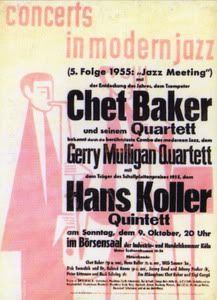
The Köln gig was a part of 1955 European tour of the newly formed Chet Baker Quartet. Chet's recording career had started just three years before and now he was a big name in jazz. Musically, he became widely known thanks to the discs he had made with baritone saxophonist Gerry Mulligan as part of a provocative and unusual pianoless quartet (trumpet, baritone sax, bass and drums). Half an hour later, I went for a second cup of tea and found this interview with Chet, from Jazz Podium magazine, 1978. Interviewer is Gudrun Endress:
When did all of these troubles start, in the '60s or in the '50s?
- No, in 1957. I was 27 years old. And all the musicians that I thought were the greatest musicians were into that, you know. And I never messed with it for a long lime. All the time I was with Gerry Mulligan, I was clean, but people thought I was doing something.
- It did. That's when it happened, in 1957, when I went back to New York after he died. That 's when I started it and I kept that pretty strong for about 13 years and then a judge in Califonia was very kind to me. He could have given me five years like poor Art Pepper, who got sent twice to San Quentin or some crazy place like that, but the judge sent me to a sort of guidance-center where they test you, psychological and every way possible, to decide what to do with you. And when I went back to court with the results of the testing, he let me go. He put me back on the street again.
- That's the only way. And I did. I got on the methadone program. I was on it 7 years. I started out at 8 milligrams, and little by little I had to take the dosage down and down until I came to Europe with just enough for two months and I made it last for four and a half months. And I just tapered out to nothing and stopped.
- Yes, the people I had to deal with were a drag, the stuff that I got was never any good. You know, you put all of that energy into the wrong direction. So I decided almost too late to cut it loose. Just to see if I could make it again after everything. Kind of a challenge in a way, because after so much bad publicity it's hard to get people to believe you.
- Yes, I know, but everybody reads that and you'd be surprised how many people believe it - what they read. Not people like you, people with some sophistication.
- Oh, but that 's all right. Drugs are something out of the norm, that is really to be feared, I guess. And there are a lot of people, friends of mine, that didn't make it, who couldn't handle it and it killed them. So it comes to a point where you really have to say, do you want to live or do you want to die and then you make that choice and that's it.
- That's about the only thing I'm good for, I guess.
But who was Dick Twardzik? Born in Danvers, Boston, on April 3D, 1931, the gifted Twardzik
Chet and Dick's musical relationship would be one of the most interesting albeit tragic experiences in the history of jazz. Beginning the tour in Holland in September 1955, the Chet Baker Quartet played many concerts in Europe and on October 9 they performed at the Köln Börsensaal , in Germany. That tour was his first and his last, because he died from a heroin overdose in his Paris hotel room on October 2 1, 1955. He was only 24 years old.
Now let's go back to another cold day, 55 years ago, in October 9, 1955, only twelve days before Dick Twardzik's death. The setting is Köln Börsensaal. I have it on a CD called The Lost 1955 Concert (RLP Records 88618). The tune is Imagination, with Chet Baker (trumpet), Dick Twardzik (piano), Jimmy Bond (bass), Peter Littman (drums).
Monday, April 12, 2010
Herb Ellis Meets Jimmy Giuffre,1959
Friday, April 9, 2010
Herb Ellis (1921-2010)
Herb Ellis, one of the last giants of jazz guitar, passed away. He studied at North Texas State and played with Jimmy Dorsey during the 1940s. His major association was with the Oscar Peterson Trio, 1953-58, and as an accompanist to singers. Much studio and subsequent club dates as a senior swing-to-bop stylist.
His most celebrated LP is recorded for Verve (521674-2), under the significant title of Nothin' but the blues, including an all-star appearance by Coleman Hawkins, Roy Eldridge, Dizzy Gillespie, Stan Getz, and Oscar Peterson. He also has many recordings for Concord label during 1970s. He was a great soloist in tradition of Charlie Christian, playing clean, fluent lines, especially effective in the blues idiom. "His style mixed the harmonic sophistication of bebop with the earthy directness of the blues and seasoned the blend with a twang more typical of country music than jazz," wrote Peter Keepnews in an obituary in New York Times.
While never a major star, he was long a favorite of critics and musicians. In 1959 a fellow guitarist, Jim Hall, praised his “fantastic fire and drive.” In 1990 Gary Giddins of The Village Voice raved about the “easy, loping quality” of his playing, “buoyed by familiar dissonances yet surprisingly free of cliché.”
Monday, February 22, 2010
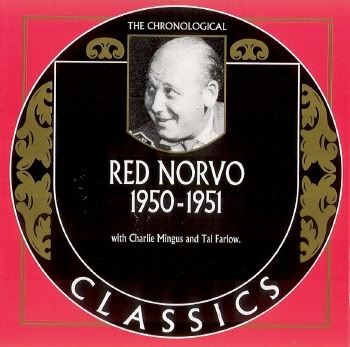
Classics 1422: Red Norvo Trio 1950-51
Classics 1422
Red Norvo
1950-1951
Release Date: 2006
Rating: A
Other notable musicians in this CD: Charles Mingus, Tal Farlow.
label(s): Savoy, Discovery
Number of sessions: 3
Unissued materials: None
Track Highlights: I've Got You Under My Skin, I Can't Believe That You're in Love with Me, Move, Godchild.
Other issue or reissues:
The Red Norvo Trio (Savoy SJL 2212)
Red Norvo Trio, Vol. 2 (Discovery DL 3018)
Red Norvo - Move! (Savoy MG 12088)
I also hold a copy of a LP in my collection called Rare Transcription which includes 29 tracks from the same period.
About the period: Throughout the '40s and well into the '50s, Norvo seemed willing and eager to grow with the brisk and somewhat challenging patterns of the new music. Some of these rapid-fire bop lines might evoke the unprecedented velocities attainable on newly constructed highways, or maybe even convey a taste of Benzedrine.
Monday, January 25, 2010
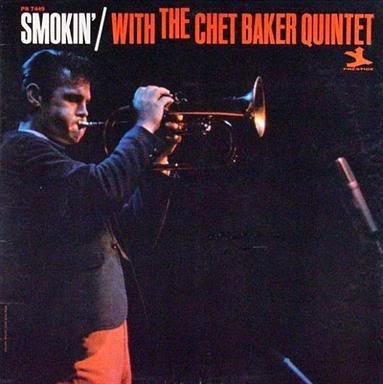
Smokin' with the Chet Baker Quintet (1965)
Tuesday, November 24, 2009
History of Jazz: Cool
تاریخ موسیقی جاز، بخش پنجم
کــول
*
در امتداد گسترش موسيقي «بی باپ» در دهۀ 1940 كه مركز آن عمدتاً نيويورك بود، «موسيقي ملايم تر و رمانتيك تري در اوایل دهه پنجاه به وسيله موزيسين هاي سفيد پوست جاز كرانه غربي آمريكا بوجود آمد كه به cool jazz شهرت پيدا كرد». جملۀ داخل گيومه كه در بيشتر تاريخ هاي سرسري جاز با آن برخورد مي كنيد داراي دو ايراد اساسي است. اول اين كه اين موسيقي نه فقط توسط سفيدها بلكه از همكاري مشترك موزيسين هاي جاز، سياه يا سفيد، حاصل شد و دوم اين كه پيش از مهاجرت از سراجبار بسياري از پيشگامان اين گونه به كاليفرنيا محل تولد اين موسيقي نيويورك بود.
در آپارتمان گيل اونز، كه تقريباً در آن هميشه به روی موزیسین ها باز بود، مايلز ديويس، جري موليگان، جان لوييس، بيل اونز و ديگران دست به ابداعاتي در موسيقي جاز زدند كه در آن ريتم ها آرام تر و تأكيد روي ملودي بيشتر بود. شيوه هاي نواختن آن ها جايي بين بداهه نوازي پايان ناپذير باپ و ترنم موسيقي سويينگ قرار داشت. مسألۀ تنظيم (ارانژمان) در مكتب «کول» مجدداً اهميت گذشته خود را باز يافت و از ناموزوني و لحن قسمت هاي ضربي كاسته شد. حاصل اين دوران (1949) در آلبومي منتشر شد كه «تولد موسيقي كول» نام داشت. آلبوم زير نام مايلز درآمد و همۀ امتيازها نصيب او شد اما موليگان سال ها بعد ادعا كرد كه بخش مهمي از اين پروژۀ تاريخي، به ابداعات و ايده هاي او بر مي گردد.
با آن كه صفحه «تولد موسيقي كول» در ابتدا از نظر تجاري خيلي موفقيت آميز نبود اما شيوه و لحن سبك و تعزلي مايلز ديويس در نواختن ترومپت، نسلي از نوازندگان مانند شورتي راجرز، جك شلدون و چت بيكر را تحت تأثير قرار داد که پس از عصر سویینگ دوره جدیدی از محبوبیت در نزد عامه را برای موسیقی جاز رقم زد.
كول درست مثل بي باپي است كه بسيار آرام نواخته شود. هر چه باشد تمام آن موزيسين ها از زير دست كساني مانند چارلي پاركر بيرون آمده بودند و او خداي بسیاری از موسيقي دانان زمان خودش بود. در آن حال ( و صادقانه بگوييم در هر حال ديگري) بيرون ماندن از دايرۀ غول آساي نفوذ و تأثير برد درست مثل اين است كه كسي در كرۀ زمين بخواهد خود را از تابش خورشيد پنهان كند. بنابراين برخي مورخان كه كول را طغياني در برابر نخبه گرايي محض بي باپ دانسته اند به اين واقعيت مهم، كه برد در آن زمان بيشتر از هر كسي در سر نوازندگان و آهنگسازاني مانند مايلز ديويس به پرواز در مي آمد، بي اعتنا مانده اند. موزیسین دیگری که در شکل گیری صدای آرام و بی خیال و درونگرای «کول» نقشی انکارناپذیر داشت، لستر یانگ نوازنده ساکسفون تنور ارکسترهای سویینگ بود که از مدتی پیش از آغاز به کار دیویس و دیگران در قالب گروه های کوچک کارهایی ضبط کرده و امان شنوندگان را با صدای سحرانگیزش بریده بود.
با مهاجرت ناموفق مايلز و همزمان مهاجرت موفق آميز جري موليگان به غرب آمريكا، لوس آنجلس با هواي آفتابي و نواي اقيانوس به مركزي مناسب براي صداي آرام و خوش «کول» بدل شد. در همان زمان بود كه اركسترهايي كه از دوره سويينگ باقي مانده بودند مانند اركسترهاي وودي هرمان و استن كنتون عناصري از موسيقي كول را اخذ كرده و صداي اركسترهاي خود را براي شنوندگان تازه تعدیل کردند.
Chet Baker & Paul Desmond, Autumn Leaves
به اين موسيقي از آن جهت كه پيشگامان كليدي آن بيشتر نوازندگان استوديوئي و مركزيتشان در لس آنجلس بود، west coast jazz (جاز كرانه غربي) نيز مي گويند. نام های مهم این موسیقی عبارتند از: چت بیکر (ترومپت)، باب بروکمیر (ترومبون)، مانتی بادویگ (باس)، جون کریستی (آواز)، پل دزموند (ساکسفون آلتو)، مایلز دیویس (ترومپت)، جری مولیگان (ساکسفون باریتون)، تـَل فارلو (گیتار)، راس فریمن (پیانو)، استن گتز (ساکسفون تنور)، جیمی جیوفری (کلارینت و انواع ساکسفون)، جیم هال (گیتار)، چیکو همیلتون (درامز)، همپتون هاوز (پیانو)، پیت جالی (پیانو)، لی کانیتز (ساکسفون آلتو)، استن لیوی (درامز)، لو لیوی (پیانو)، شلی مان (درامز)، آرت پپر (ساکسفون آلتو و تنور)، شورتی راجرز (ترومپت)، هوارد رامسی (باس)، بیل پرکینز (ساکسفون تنور و فلوت)، باد شنک (ساکسفون آلتو و فلوت).
*
آلبوم های مهم کول
Miles Davis Birth of the Cool 1956
Bud Shank Blowin' Country 1959
Howard Rumsey & the Lighthouse All-Star Howard Rumsey's Lighthouse All-Stars 1953
Barney Kessel Music to Listen to Barney Kessel By 1956
June Christy Something Cool 1955
Stan Getz Stan Getz and the Cool Sounds 1957
Victor Feldman Suite Sixteen 1955
Paul Desmond Take Ten 1963
Richie Kamuca Tenors Head on 1956
Shorty Rogers The Swinging Mr. Rogers 1955
Shelly Manne & His Men The West Coast Sound, Vol. 1 1955
Chet Baker Chet Baker & Crew 1956
Conte Candoli Conte Candoli Quartet 1957
Bob Cooper Coop! The Music of Bob Cooper 1958
Monday, November 23, 2009
Thursday, October 29, 2009
Remembering Chet Baker in New York

Baker’s long list of recorded music, from the time he left Mulligan’s quartet, and distinctive qualities of his style have given him an extremely effective aura of being a victim of circumstances that governed the scene in America after the war. Among the white jazz musicians who were involved with injuries inflicted upon post-war rebellious generation of young American intellectuals, Baker was not the only person who was experiencing drugs and addiction inside an obviously reactionary society. A society that was immediately consolidating boundaries of conservatism, was nothing especially designed for Baker; all his fellow musicians were in the same trap: Pepper, Mulligan, McLean, Holman and Manne .
The present recording, unlike anything else he’d done up to 1958, gave him a chance to come out of that dark cloud Zoot Sims described many years later. He joined forces with east coast junkies like Philly Jo Jones and Art Blakey, representatives of eastern “hard” style. He tried to find an outlet from the Catholicism of the west coast. Manny Albam did it also: he wrote an exemplary piece of music that reflected the feeling of these young white cats who could not cope with the dreadful reality and mediocrity of the American society, a society that would enjoy Pat Boone more than “bird”; one that would pay heed to Eisenhower rather than to Stevenson... Etc.
--by ARP
Chet Baker Quartet
Chet Baker In New York
(Riverside RLP 12-281, RLP 1119; Fantasy OJC 207, OJCCD 207-2)
Chet Baker (tp) Johnny Griffin (ts -1,3,5) Al Haig (p) Paul Chambers (b) Philly Joe Jones (d)
NYC, September, 1958
1. Fair Weather
2. Polka Dots And Moonbeams
3. Hotel 49
4. Solar
5. Blue Thoughts
6. When Lights Are Low
7. Soft Winds
----------------------
Total Time 43:02
.
Thursday, August 27, 2009
Jimmy Giuffre
جيمي جيوفري (26 آوریل 1921، دالاس – 2008) یکی از مهمترین نوازندگان چند سازه (انواع ساكسفون، كلارينت و فلوت)، آهنگسازان و تنظیم کنندگان بزرگ جاز و يكي از كليدي ترين مدرنيست هاي كرانۀ غربي آمريكاست. پس از کار در ارکستر نیروی هوایی در سالهای جنگ به دوره سویینگ پا گذاشت و در ارکسترهای جیمی دورسی (1947)، بادی ریچ (1948) و وودی هرمان (1949) شهرتی به هم زد. از آنجا رهسپار غرب آمریکا شده و ابتدا در کلوب لایتهاوس (Lighthouse) و سپس با شورتی راجرز مشغول به کار شد. از اواخر دهه 1950 گروه های متعددی با جیم هال گیتاریست ، باب بروکمیر ترومبونیست و چندين نوازندۀ باس ، تشکیل داد.
در 62-1960 یکی از پیشروترین گروه های جاز را به راه انداخت؛ تريويي انقلابی كه شامل استیو سوالو (Swallow) نوازنده باس و پل بلی نوازنده پیانو بود. به مرور قطعاتی که توسط جیوفری برای اجرا در این تریو (Trio) ها نوشته می شد پیچیده تر و غریب تر می شدند. آلبومی از این دوره که به عقیده بسیاری شاهکار مدرن جیوفری محسوب می شود Free Fall نام دارد، این آلبوم که برای کمپانی کلمبیا پر شده بود ، یک شکست تجاری تمام عیار در زمان خود بود. جیوفری هدایت این گروههای کوچک را که معمولا برای کمپانی های صفحه پر کنی مهجور ضبط می کردند تا دهۀ 1970 ادامه داد و همزمان به تدریس موسیقی جاز در دانشگاه دست زد.
جیوفری از نخستین کسانی بود (حتی قبل از جری مولیگان) که کوارتت ها و تریوهای جاز را به قول خودش «از شر پیانو خلاص کرد» و قلمرویی بین چیزی که خودش «جاز فولکلور» می خواند و Free Jazz پا گذاشت. آثار ضبط شده از او در نیمه نخست دهه 1960 زیبایی سحرانگیز و رازگونه نقاشی های سوررئالیستی را با اصوات بیدار می کنند.
احسان خوش بخت
ديسكوگرافي جيمي جيوفري: (انتخاب هاي من از بين آلبوم هاي او با رنگ متمايز شده اند)
1955: The Cool One (Giant Steps) 2/54-6/55
1956: The Jimmy Giuffre Clarinet (Collectables) 3/56
1956: Jimmy Giuffre 3 (Atlantic) 12/56
1957: The Original Trio (Gambit) 12/56-57
1958: The Jimmy Giuffre 3/The Music Man (Collectables) 12/56-1/58
1958: Trav'lin' Light (Collectables) 1/58
1958: Hollywood & Newport, 1957-1958 (Fresh Sound) 1/57-10/58
1958: Western Suite (Warners) 12/58
1959: Lee Konitz meets Jimmy Giuffre (Verve MGVS)
1959: Piece for Clarinet and String Orchestra/Mobiles (Verve)
1960: Live in 1960 (Jazz Beat) 2/60 & 8/60
1961: 1961 (ECM) 3/61 & 8/61
1961: Fusion (Verve)
1961: Thesis (Verve)
1961: Emphasis & Flight 1961 (hatOLOGY) 11/61
1962: Free Fall (Columbia) 1962
1965: Olympia 23 Fevrier 1960/27 Fevrier 1965 (Laserlight)
1971: Night Dance (Choice) 11/71
1975: River Chant (Choice)
1975: The Train And The River (Candid Choice) 4/75
1983: Dragonfly (Soul Note)
1985: Quasar (Soul Note)
1989: The Life Of A Trio: Saturday - with Steve Swallow, Paul Bley
1991: Liquid Dancers (Soul Note)
1991: Eiffel/River Station/Momentum: Willisau, 1988 (CELP/26/hatOLOGY) 11/87, 9/91
1992: Fly Away Little Bird (Owl) 6/92
1996: Conversations with a Goose (Soul Note)