مجموعه قطعاتي از موزيسين هاي محبوب جك، كاري كه به اسم خود او نوشته و اجرا شده. اشعار او با صداي خودش و با صداي آلن گينزبورگ و مروري بر موسيقي بي باپ كه جك شاهد عيني تولد و اوج گرفتن آن بود
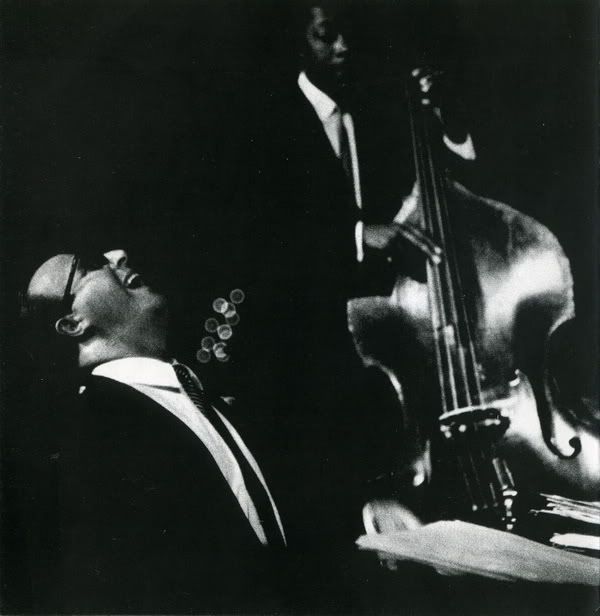
Dean and I went to see [George] Shearing at Birdland in the midst of the long, mad weekend. The place was deserted, we were the first customers, ten o'clock. Shearing came out, blind, led by the hand to his keyboard. He was distinguished-looking Englishman with a stiff white collar,! slightly beefy, blond, with a delicate English-summer's night air about him that came out in the first rippling sweet number! He played as the bass-player leaned to him reverently and thrummed the beat. The drummer, Denzil Best, sat motionless! except for his wrists snapping the brushes. And Shearing began to rock; a smile broke over his ecstatic face; he began to rock in the piano seat, back and forth, slowly at first, then the beat went up, and he began rocking fast, his left foot jumped up with every beat, his neck began to rock crookedly, he brought his face down to the keys, he pushed his hair back, his combed hair dissolved, he began to sweat. The music I picked up. The bass player hunched over and socked it in, faster and faster, it seemed faster and faster, that's all. Shearing began to play his chords; they rolled out of the piano in great rich showers, you'd think the man wouldn't have time to line them up. They rolled and rolled like the sea. Folks yelled for him to "Go!" Dean was sweating; the swear poured down his collar.
"There he is! That's him! Old God! Old God Shearing! Yes! Yes! Yes!" And Shearing was conscious of the madman behind him, he could hear every one of Dean's gasps and imprecations, he could sense it though he couldn't see. "That's right!" Dean said. "Yes!" Shearing smiled; he rocked. Shearing rose from the piano, dripping with sweat; these were his great 1949 days before he became cool and commercial. When he was gone Dean pointed to the empty piano seat. "God's empty chair," he said. On the piano a horn sat; its golden shadow made a strange reflection along the desert caravan painted on the wall behind the drums. God was gone; it was the silence of his departure. It was a rainy night. It was the myth of the rainy night. Dean was popeyed with awe.
a piano solo from 1943
من و دين [موريارتي] رفتيم [جرج] شيرينگ را تو كافۀ بردلند، وسط يكي از آن هفتههاي طولاني و ديوانهوار ببينيم. ساعتِ ده شب. سالن خالي بود و ما اولينِ مشتريها بوديم. شيرينگ روي صحنه پيدايش شد. يكي دست اين پيانيست كور را گرفته بود كه ببرد و بنشاندش پشت ساز. او جنتلمنِ متشخص انگليسي بود با يقۀ سفيد سفت و سخت و صورتي كمي گوشتالو و موهاي طلايي كوتاه شانه كرده به عقب. وقتي روي صحنه آمد انگار نسيم شبهاي تابستاني انگلستان را با خودش آورد، به خصوص وقتي اولين قطعه را اجرا كرد كه آهنگي شيرين بود كه در آن نتها مثل سنگي كه در آب آرام درياچه مياندازيم آرام از مركز گسترده ميشدند و صدا را بازتر و بازتر ميكردند.
همانطور كه شيرينگ پيانو ميزد نوازندۀ كنتراباس از سر ذوق و شيفتگي به جنتلمنِ انگليسيِ نابينا ضربهايش را گذاشت روي ضرب بينقص شيرينگ. دِنزل بِستِ طبال جُم نميخورد، مگر مچشهايش كه براشها را با دقت به حركت درميآورد و روي طبل وسط ميكشيد. شيرينگ شروع كرد به تكان خوردن. لبخندي روي صورتِ در خلسه فرورفتهاش شكفت. روي صندلي پيانو خودش را به عقب و جلو تكان ميداد. اول آرام اين كار را ميكرد و هرچه ريتم موسيقي تندتر شد رقص او روي صندلي شدت بيشتر گرفت. پاي چپش سر هر ضرب ميرفت بالا. گردنش خلاف جهت رقص بدنش به حركت درآمد. سر و تن ميخواستند هر كدام به سمت ديگري بروند. سرش را كشيد پايين دم كليدهاي ساز. موهايش را به سرعت زد عقب و موهاي شانه كردهاش به هم ريخت. شروع كرده بود به عرق كردن، چه عرقكردني.
موسيقي همينطور ميرفت جلو. نوازندۀ باس خم شده بود روي ساز و با پشت قوز كرده ميكوبيد روي سيمها و سرعت هي بالاتر ميرفت. به نظر ميآمد همينطور سريعتر و سريعتر ميشود. همه چيز شتاب ميگرفت. شيرينگ شروع كردن به زدن آكوردهايش. آنها مثل باران سيلآسا همينطور از پيانو بيرون ميزدند و به نظر ميآمد شيرينگ فرصت نظم دادن به آنها را ندارد و ديگر از كنترل خارج شدهاند. همانطور بيرون ميزدند مثل دريا. تمام نميشد. مشتريها فريادشان درآمد. «برو! برو!» دين عرق ميكرد و عرقهايش از يقيۀ لباسش سرازير ميشد پايين.
«خودِ خودشه. خود خداست! شيرينگِ خدا! برو! برو! برو!» و شيرينگ خبر داشت از اين مجنوني كه پشت سرش نشسته و اينها را فرياد ميزد. ميتوانست تك تك نفس نفس زدنها و نفرينها و شِكوِههاي دين را بشنود. ميتوانست احساسشان كند با آن كه نميتوانست ببينيد. دين گفت «همينه! همينه» لبخند نشست روي لب شيرينگ. به رقص درآمد. از روي صندلي پيانو نيم خيز شد. از تمام هيكلش عرق ميريخت. آن روزها روزهاي بزرگ سال 1949 بود قبل از اين كه موسيقي شيرينگ شيك و خونسرد و تجاري شود. قبل از اين كه ديوانگي و عرق از آن برود.
وقتي كه شيرينگ كارش تمام شد و رفت دين اشاره كرد به صندلي خالياش و گفت: «صندليِ خاليِ خدا». كسي يك ترومپت گذاشت روي صندلي خالي خدا و سايۀ طلايياش انعكاس عجيبي درست كرد روي نقاشي يك رديف كاروان وسط كوير كه روي ديوار پشت طبل نقاشي شده بود. خدا رفته بود. آنچه مانده بود سكوتِ پس از غيبت او بود. شب باراني بود. او اسطورۀ شب باراني بود. چشمهاي دين از فرط حيرت از حدقه درآمده بود.
"Being born blind, there was nothing for me to get used to about blindness, because it was there from the start. I didn't know, and still don't, what having sight is like, but from earliest childhood I've also been aware that there isn't such a thing as a blind world. There's a sighted world to which all blind people have to adapt and adjust. In due course, as an adult, I eventually came to the conclusion that even if I were offered the chance of sight, I would refuse it, because it would be so shattering to see everything around me that I had only known as sounds up until that point.
I'd have to go through a whole new process of education, because everything from reading or writing is entirely different. I'm used to hearing cars go by, not to seeing them flash in front of my eyes. There are things I'd love to be able to do, such as to get up from a group of friends and say, "I'll see you guys later on," and mean exactly that.
Maybe we miss a lot, but for the most part that's more than made up for by what we have to replace sight – the ability to conceptualize the world through sound, or our other senses, and the close connection with all those other people who help us get our bearings in unfamiliar surroundings, whatever they may be. Living in a world in which sound plays the most important role has always been a great stimulus to me as a musician." ~ Sir George Shearing
Just a day after my arrival to London, and while I was totally confused by the underground labyrinth of it, came the news of George Shearing's death. It was the third unfortunate occurrence in a row, all happened in less than 24 hours. After overcoming the feeling of being a Cassandra, and after getting acquainted to Tube, and while my discovery of stations and streets was accompanied by Complete Live Capitol Recordings of George Shearing, on my iPod, now I've found myself again, and here is a belated tribute to the man:
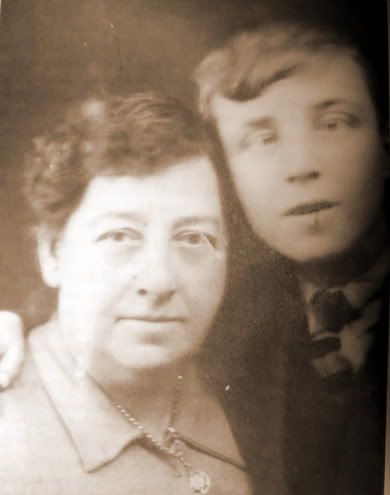
Young George with his alcoholic mother
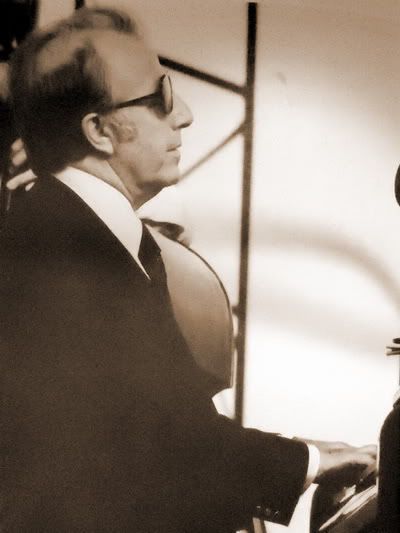
Londoner George Shearing (born in 1919) was blind from his birth, and was a pianist from early childhood. Coming from a poor family of nine, he attended Linden Lodge School for the Blind [photo on the right] during the early 1930s. His first paid work was at a South London pub, the Mason's Arms, then played in Claude Hampton's National Institute for the Blind Band (1937). Did first solo broadcast in February 1939. Resident at the Nut House, London, from summer of 1939. Briefly in South Wales, then gigged with Stephane Grappelli before playing solo residency at the Starlight Club, London (spring 1940). Joined St Regis Hotel Quintet which was subsequently led by Harry Parry (1940), also worked at Hatchett's Club, London, with Stephane Grappelli and Dennis Moonan. I never forget the story told by Grappelli about how George lead them to their hotel room, during blackouts of night bombings of London in war days. The idea of a blind man, guiding other fellow musicians among the fog and ruins is the to the world of George Shearing music. At this stage Shearing was under the influence of Art Tatum, Fats Waller and Teddy Wilson.
Shearing with George Evans, Harry Parry then joined Ambrose's Octette from July 1941 until April 1942. Toured with Stephane Grappelli Swingtette (1943) and played night clubs, then joined Frank Weir (1944), later (1946) becoming part of Weir's two piano set-up (alongside
Ralph Sharon). Joined Harry Hayes from July to November 1946, then visited the USA for four months. Returned to Britain, again toured with Stephane Grappelli (April 1947).
On piano-accordion and piano with Frank Weir (summer 1947), then emigrated to the USA in November 1947. This geographical change caused a certain change in his music, too: Shearing who always was a swing-style player quickly adopted much of the bebop vocabulary. Though his way of playing bop has a reserved, and gentle touch. "Who needs an English Art Tatum?" says Shearing about adopting his new styles in interview with pianist Billy Taylor. And that's true. Think about hundreds of imitators who has gone with the wind and there is no trace of them anymore, especially when you're not originally an American product. Later, he added a Latin flavor to his music, which this piece could be an example of that:
Cool Mambo
In 1949, Shearing formed a quintet with a suitably soft instrumentation: vibraphone, amplified guitar, piano, bass, and drums (usually restricted to brushes). His quintet arrangements included locked-hands voicings with the vibraphonist doubling the top note and the guitar doubling the bottom. This "Shearing sound" was extraordinarily successful; it is the sound by which many fans identify him even today. “What many people didn't know about George was his courage," remembers John Levy, his bassist and manager, in an interview with Marc Myers, "in 1949, this guy had formed an integrated group with two white guys, two black guys and a white woman on stage together. Today, this might seem like so what. But back then, you just didn't do that, especially in some cities. Many people told George that he’d do better if all of his were white. He didn’t know what they were talking about. He’d get pissed and say, 'I don’t know what color they are. All I know is that they play what I like to hear and I love their intonation.' Only a few people had the nerve to come up to him and say stuff like that."
From this period Lullaby of Birdland and Conception became jazz standards. Even Miles Davis did his version of Conception, although Shearing recently complained that Miles got the bridge wrong!
From 1970s, Shearing abandoned the quintet format, thereafter worked with own trio and in duos with various double bassists as well as being featured with large orchestras. He has recorded many albums with jazz singers, including Nancy Wilson, Mel Torme, Carmen McRae, Dakota Staton, Peggy Lee, and Nat Cole.
With Nancy Wilson - On Green Dolphin Street
We know that how many critics have essential problems with easy-swinging and those pianist who have pure rhythmic/melodic approaches, like George Shearing. In one of the most famous anti-Shearing articles, Martin Williams wrote:
"What Shearing was and is doing is popularizing modern jazz to a widespread success. I am not absolutely sure that musical popularizers are a reviewer's business. They do introduce large numbers of people to a musical style—at least so I am told. But for every listener who moves on, hundreds of others stay with the popularizer; one of the originators of modern jazz, Dizzy Gillespie, had a good audience before Shearing arrived, but Shearing has a larger audience than Gillespie has or probably ever will have. In any case, popularizers always appear and are always going to appear.
However, there are popularizers and popularizers. One of Benny Goodman's functions was to spread a music that Fletcher Henderson had evolved several years before and do the same for some of Count Basic's pieces as well. Goodman contributed more than merely that, to be sure, but his treatment of Henderson's style involved no particular compromise or dilution.
I suppose that if popularizers become a constant preoccupation, a reviewer will be wasting a great deal of time. And at worst he may end up making them the objects of a kind of snobbish abuse. On the other hand, a reviewer probably should discuss
them from time to time to describe what he feels they are up to and to say how much compromise and dilution he hears in their work."
Thanks to Williams himself, who gives us the right words for it, - "snobbish abuse" - one can argue that all rock 'n rollers are popularizers of Robert Johnson, and they are audience-stealers, hence it's a waste of precious time for a critic, to take them seriously. Later he argues:
"As a pianist, Shearing is able and fluent, although as a jazzman he has occasional problems with phrasing and swing. More important, he is capable of a lot more inventiveness than he usually offers. And it seems to me that his basic compromise is to play as if he were not really emotionally involved with what he is doing, even when he allows himself to do something musical."
Well, isn't Basie that way? Looked untouched on the surface, but driving a group like the jet motor, in the moment of take off.
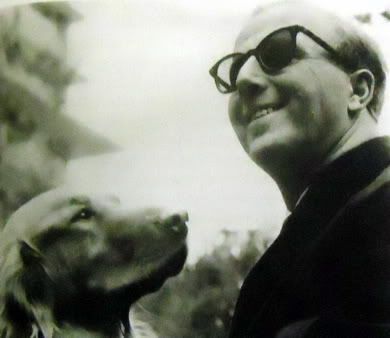
Beside music, Shearing's charm, humbleness and nobility rank him with the best pianists in history of jazz, like Hank Jones. One of the great pleasures of listening to his live recordings comes from his sense of humor. He has a witty introduction for almost every tune. Here is an example:
And finally, from Mosaic out-of-print boxed set, Complete Live Capitol Recordings of George Shearing, give a listen to The Nearness of You with Vibraphonist Emil Richards, guitarist Toots Thielemans, bassist Al McKibbon and drummer Percy Brice. Recorded at Hollywood Sunset Strip , 1959. It's a seminal tune that summarizes his grace, touch, swing and the way he visualized the world through sounds and tones.
The nearness of you
Sources (and Further Reading): Who's who of British jazz /John Chilton.-2nd ed. Jazz changes/ Martin Williams/ pp 279 - 281 Lullaby of Birdland/ George Shearing (written in collaboration with Alyn Shipton)/ This autobiography was published in 2004.