Saturday, November 12, 2011

Radio Hawkins#13: On the Road with Kerouac

 برنامۀ سيزدهم
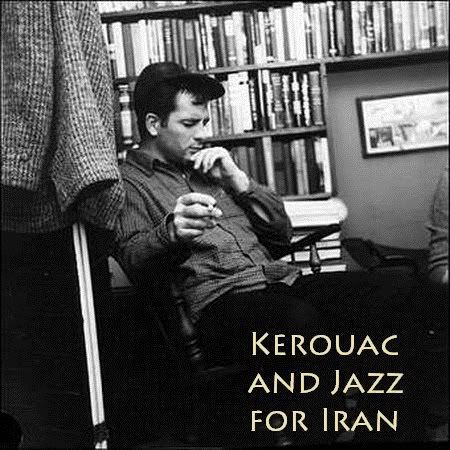
جك كرواك و موسيقي جاز
مجموعه قطعاتي از موزيسين هاي محبوب جك، كاري كه به اسم خود او نوشته و اجرا شده. اشعار او با صداي خودش و با صداي آلن گينزبورگ و مروري بر موسيقي بي باپ كه جك شاهد عيني تولد و اوج گرفتن آن بود
همراه با
لستر يانگ، برو مور، كانت بيسي، جرج شيرينگ، ساني استيت، فليپ فليپس، چارلي پاركر، ديزي گيلسپي، تلانيوس مانك

به برنامه سيزدهم در اين جا گوش كنيد


با كيفيت متوسط و متناسب با سرعت اينترنت ايران در اين جا

Sunday, November 6, 2011

Radio Hawkins#12

عكس از رضا حكيمي

برنامۀ دوازدهم راديو هاوكينز - جاز براي ايران
شامل آثاري از
كيد اري، ري چارلز، آليور نلسن، اريك دالفي، رد گارلند، جيمي هميلتن، يوتا هيپ، زوت سيمز، جري موليگان، چت بيكر، اليك باچيك


دانلود با كيفيت بالا، اين جا يا اين جا

Wednesday, November 2, 2011

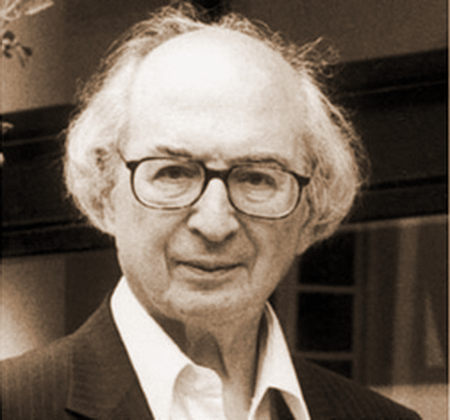
Something Else by André Hodeir (1921-2011)


"For us Europeans, the only reasonable solution is to take jazz as a complement to our culture, not as an antidote to the "poisons of intellectualism." What does this music bring to us? Isn't it precisely the kind of music "that can be listened to without burying one's forehead in one's hands," which is what Jean Cocteau called for after the first war? In jazz, "sensorial interests" greatly outweigh "intellectual passion," the simple charm of existence is exalted without much reflection, a sharpened sensuality takes the place of loftiness and the fusion of individualities takes the place of architecture. Consequently, the attitude required of the listener by jazz is completely different from that generally required by classical masterpieces. But whoever knows how to listen to it with the right kind of ear is always paid for his effort. In our time, when the most advanced European art is becoming more and more abstract, leaving room for feeling but only in a highly sublimated form, jazz brings an element of balance that may be necessary and is almost surely beneficial.
Henri Bernard, a veteran among French jazz fans and a man of culture besides, has written: "The miracle of the century is not power failures or airplane crashes or trips to the moon, but primitive man and Negro folklore." It would be more exact to write that what gives our epoch its value is what we have managed to bring into existence. To be able to take part in the most varied activities of modern man when they tend to build rather than to destroy, to be interested in contemporary philosophy without neglecting sports, to make room for jazz alongside abstract art that is what really enriches us. Is it impossible to hear foreign languages and appreciate their beauty without first disowning and almost forgetting one's mother tongue? On the contrary, I am convinced that we have the ability to adopt differing attitudes of receptivity and comprehension as the need arises. This does not necessarily force us to judge jazz in the perspective of European art; instead, it invites us to broaden our view in order to make room for the only popularly inspired music of our time which is universal and has not become lost in vulgarity. It is not a question of giving up what we have, but of acquiring something else." -- André Hodeir (1956, English translation by David Noakes)

God's Empty Chair


From Jack Kerouac's On The Road:

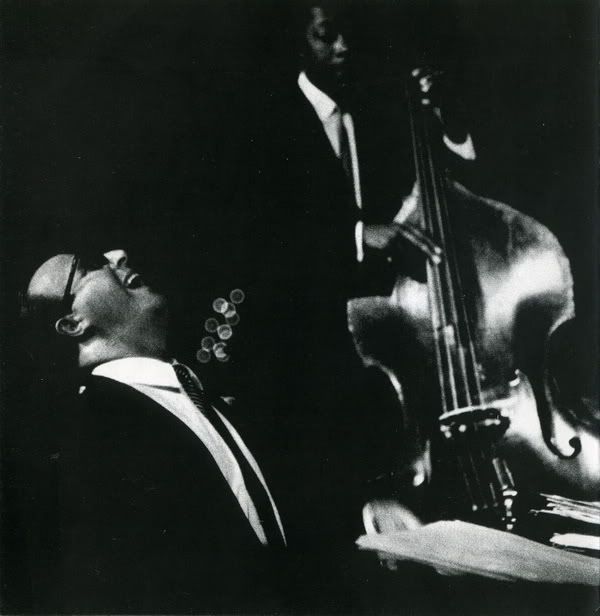
Dean and I went to see [George] Shearing at Birdland in the midst of the long, mad weekend. The place was deserted, we were the first customers, ten o'clock. Shearing came out, blind, led by the hand to his keyboard. He was distinguished-looking Englishman with a stiff white collar,! slightly beefy, blond, with a delicate English-summer's night air about him that came out in the first rippling sweet number! He played as the bass-player leaned to him reverently and thrummed the beat. The drummer, Denzil Best, sat motionless! except for his wrists snapping the brushes. And Shearing began to rock; a smile broke over his ecstatic face; he began to rock in the piano seat, back and forth, slowly at first, then the beat went up, and he began rocking fast, his left foot jumped up with every beat, his neck began to rock crookedly, he brought his face down to the keys, he pushed his hair back, his combed hair dissolved, he began to sweat. The music I picked up. The bass player hunched over and socked it in, faster and faster, it seemed faster and faster, that's all. Shearing began to play his chords; they rolled out of the piano in great rich showers, you'd think the man wouldn't have time to line them up. They rolled and rolled like the sea. Folks yelled for him to "Go!" Dean was sweating; the swear poured down his collar.

"There he is! That's him! Old God! Old God Shearing! Yes! Yes! Yes!" And Shearing was conscious of the madman behind him, he could hear every one of Dean's gasps and imprecations, he could sense it though he couldn't see. "That's right!" Dean said. "Yes!" Shearing smiled; he rocked. Shearing rose from the piano, dripping with sweat; these were his great 1949 days before he became cool and commercial. When he was gone Dean pointed to the empty piano seat. "God's empty chair," he said. On the piano a horn sat; its golden shadow made a strange reflection along the desert caravan painted on the wall behind the drums. God was gone; it was the silence of his departure. It was a rainy night. It was the myth of the rainy night. Dean was popeyed with awe.

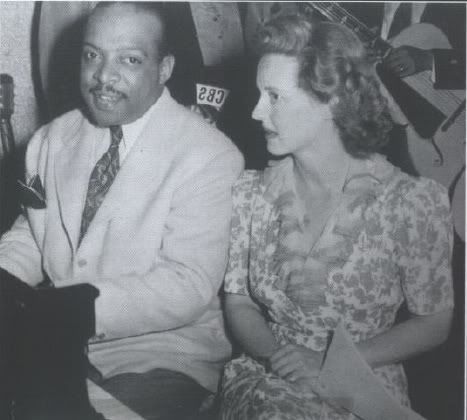
a piano solo from 1943

من و دين [موريارتي] رفتيم [جرج] شيرينگ را تو كافۀ بردلند، وسط يكي از آن هفته‌هاي طولاني و ديوانه‌وار ببينيم. ساعتِ ده شب. سالن خالي بود و ما اولينِ مشتري‌ها بوديم. شيرينگ روي صحنه پيدايش شد. يكي دست اين پيانيست كور را گرفته بود كه ببرد و بنشاندش پشت ساز. او جنتلمنِ متشخص انگليسي بود با يقۀ سفيد سفت و سخت و صورتي كمي گوشتالو و موهاي طلايي كوتاه شانه كرده به عقب. وقتي روي صحنه آمد انگار نسيم شب‌هاي تابستاني انگلستان را با خودش آورد، به خصوص وقتي اولين قطعه را اجرا كرد كه آهنگي شيرين بود كه در آن نت‌ها مثل سنگي كه در آب آرام درياچه مي‌‌اندازيم آرام از مركز گسترده مي‌شدند و صدا را بازتر و بازتر مي‌كردند.
همان‌طور كه شيرينگ پيانو مي‌زد نوازندۀ كنتراباس از سر ذوق و شيفتگي به جنتلمنِ انگليسيِ نابينا ضرب‌هايش را گذاشت روي ضرب بي‌نقص شيرينگ. دِنزل بِستِ طبال جُم نمي‌خورد، مگر مچش‌هايش كه براش‌ها را با دقت به حركت درمي‌آورد و روي طبل وسط مي‌كشيد. شيرينگ شروع كرد به تكان خوردن. لبخندي روي صورتِ در خلسه‌ فرورفته‌اش شكفت. روي صندلي پيانو خودش را به عقب و جلو تكان مي‌داد. اول آرام اين كار را مي‌كرد و هرچه ريتم موسيقي تندتر شد رقص او روي صندلي شدت بيش‌تر گرفت. پاي چپش سر هر ضرب مي‌رفت بالا. گردنش خلاف جهت رقص بدنش به حركت درآمد. سر و تن مي‌خواستند هر كدام به سمت ديگري بروند. سرش را كشيد پايين دم كليدهاي ساز. موهايش را به سرعت زد عقب و موهاي شانه كرده‌اش به هم ريخت. شروع كرده بود به عرق كردن، چه عرق‌كردني.
موسيقي همين‌طور مي‌رفت جلو. نوازندۀ باس خم شده بود روي ساز و با پشت قوز كرده مي‌كوبيد روي سيم‌ها و سرعت هي بالاتر مي‌رفت. به نظر مي‌آمد همين‌طور سريع‌تر و سريع‌تر مي‌شود. همه چيز شتاب مي‌گرفت. شيرينگ شروع كردن به زدن آكوردهايش. آن‌ها مثل باران سيل‌آسا همين‌طور از پيانو بيرون مي‌زدند و به نظر مي‌آمد شيرينگ فرصت نظم دادن به آن‌ها را ندارد و ديگر از كنترل خارج شده‌اند. همان‌طور بيرون مي‌زدند مثل دريا. تمام نمي‌شد. مشتري‌ها فريادشان درآمد. «برو! برو!» دين عرق مي‌كرد و عرق‌هايش از يقيۀ لباسش سرازير مي‌شد پايين.
«خودِ خودشه. خود خداست! شيرينگِ خدا! برو! برو! برو!» و شيرينگ خبر داشت از اين مجنوني كه پشت سرش نشسته و اين‌ها را فرياد مي‌زد. مي‌توانست تك تك نفس‌ نفس زدن‌ها و نفرين‌ها و شِكوِه‌هاي دين را بشنود. مي‌توانست احساسشان كند با آن كه نمي‌توانست ببينيد. دين گفت «همينه! همينه» لبخند نشست روي لب شيرينگ. به رقص درآمد. از روي صندلي پيانو نيم خيز شد. از تمام هيكلش عرق مي‌ريخت. آن روزها روزهاي بزرگ سال 1949 بود قبل از اين كه موسيقي شيرينگ شيك و خون‌سرد و تجاري شود. قبل از اين كه ديوانگي و عرق از آن برود.
وقتي كه شيرينگ كارش تمام شد و رفت دين اشاره كرد به صندلي‌ خالي‌اش و گفت: «صندليِ خاليِ خدا». كسي يك ترومپت گذاشت روي صندلي خالي خدا و سايۀ طلايي‌اش انعكاس عجيبي درست كرد روي نقاشي يك رديف كاروان وسط كوير كه روي ديوار پشت طبل نقاشي شده بود. خدا رفته بود. آن‌چه مانده بود سكوتِ پس از غيبت او بود. شب باراني بود. او اسطورۀ شب باراني بود. چشم‌هاي دين از فرط حيرت از حدقه درآمده بود.
از كتاب On The Road نوشتۀ Jack Kerouac
Monday, October 31, 2011

Radio Hawkins#11: Lover Men

 برنامۀ يازدهم راديو هاوكينز: جاز براي ايران
اجراهايي متفاوت از قطعۀ
LOVER MAN
توسط
بلاسِم دي يِري، كانت بيسي، سارا وان، واردل گري، دان باياس، كولمن هاوكينز، ساني راولينز، هري جيمز، ال هِيگ،  جيمي اسميت، جي جي جانسن، جنگو راينهاد، ديزي گيلسپي، ساني استيت

برنامه را اين جا بشنويد


Sunday, October 23, 2011

Radio Hawkins#10: Songs for Our Fathers

 IN ENGLISH

برنامۀ دهم
موسيقي جاز به ياد و احترام پدران


مجموعه قطعاتي از 1938 تا 1987 با مضمون پدر
شامل آثاري از لويي آرمسترانگ، بيل اونز، كوزي كول، جرج كلمن، كلمن هاوكينز، چارلز تاليور، هوريس سيلور،  باني بريگان، نينا سيمونه،  سيسيل پين، وودي هرمان و جيمز مودي
 براي فهرست كامل قطعات و اسامي موزيسين ها و تاريخ ضبط به اين لينك مراجعه كنيد


دانلود با كيفيت بالا در اين جا

دانلود به حجم پايين تر براي اينترنت هاي با سرعت پايين، در اين جا

Saturday, October 15, 2011

Radio Hawkins#9: Blues for Jafar

عكس از رضا حكيمي


برنامۀ نهمِ راديو هاوكينز
شامل آثاري از
ساني بوي ويليامسن، سيدار والتن، كانت بيسي، كني بارون، مدرن جز كوارتت


برنامه را با كيفيت متوسط و متناسب با سرعت اينترنت ايران در اين جا بشنويد

برنامه را با كيفيت متوسط در اين جا دانلود كنيد

صفحه اين برنامه در فيس بوك منتظر نظرات شماست

Sunday, October 9, 2011

Musicians on Musicians#3: Jennifer Anderson and 5 tenor

Jennifer Anderson is a saxophone player from Glenview, Illinois, and currently based in L.A. In addition to being a musician and painter, Mrs Anderson is a grade school music teacher. She is still doing her "big band thing," as well as working in the recording studios. I interviewed her via email, and here she talks about her influences and tenor saxophonists who have inspired her through the years. Like other interviewees, it was impossible for her to just stick to five names, and at one point she quoted from a friend, Chuck Johnson, to point how different players feel close to different sounds and musical personalities. "The attraction to Dexter Gordon for me is immediate because of his sound…big, robust, clear and warm," Jennifer quoted Chuck Johnson, "he has the ability to place every note he plays clearly and distinctly no matter the tempo of the tune.  But delve beyond his sound and you find a musician with a fertile aptitude to create improvisations that build logically, melodically and with intensity, chorus after chorus after chorus. And he masterfully and cleverly injects song quotes within any song he is performing. Dexter was also able to synthesize the cool, lyricism and storytelling of Lester Young with the harmonic advancement and fluidity of Charlie Parker and create his own personality." Well, not only we learn from people we love, but also we learn from the way people love other people. That's the main point of these interviews.

◘  ◘  ◘

Sonny Rollins: One of my first jazz music lessons actually came from a Sonny Rollins record. My first saxophone was a tenor. I didn't know much about the saxophone or sax players at the time, so I went to the local record store and picked up some records with pictures of guys with a saxophones one the front. One of them way Sonny Rollins' Way Out West with drummer Shelly Manne and bass player Ray Brown. I loved the cover--he looked so bad-ass slinging the sax and wearing a ten gallon hat out in the desert. When I heard I'm an Old Cowhand I realized the song was him! Never mind that it was a hokey old song. The music sounded as serious as it was fun--and swung like crazy! You could transcribe Sonny's solo and study it in a college classroom, but I really heard his personality coming through. That really got my imagination because Sonny made me see potential and possibility. Throughout his career, he has really dug into that potential and possibility and amazed us all with his interesting use of harmony, fluidity, spontaneity, and wit. There probably are people out there jamming on his tunes right now as well as studying him in college classrooms!

Ben Webster: Like Duke Ellington said said "I've always had a yen for Ben". The distinctive sound of Ben Webster is one that you can recognize is a few notes. Whether he is playing sweet or growly sexy, you could never confuse his sound with anyone else. That sound always seems to go right to my gut somehow. He was a big sensation in the Duke Ellington band in the 40's. Many musicians have paid tribute to him by playing his Cottontail solo, which was a big hit for the Ellington band. My recomendation would be Poutin'!

Coleman Hawkins: I know that historically Coleman Hawkins is a very important innovator. He took an instrument that was more of a novelty and band instrument before the 30's and really wowed the world with his playing. This drew lots of attention to the sax and made it a much more popular as a "legitimate" instrument. But even so, I feel like he would be awesome during any time period, and he was! His career was amazing even through the bop era. His beautiful, strong, colorful, lyrical sound is one I could never tire of. I love how his lines are seamless and ornamental at the same time. What a brain he must have had. Maybe that's why his nickname was Bean.

Lester Young: Lester Young was one of the first people to inspire me to play the saxophone. What I heard made so much sense to me. He seemed to speak in complete musical sentences. I loved his light sound. The problem was that he influenced me so much that I was always playing too laid back, and not in a good way! I finally realized it and stopped trying to be Lester Young. There definitely was only one of him. He is also famous for playing and and recording with his friend Billy Holiday.

Stan Getz: He is probably most known for his work with Antonio Carlos Jobim, which created the Bossa Nova craze in the 60's. But during his career he played it all--big band, cool jazz, bop and more. I heard that he was inspired by Lester Young. He has always been a huge inspiration to me because of the pure magic he created with his sound. When I first heard The Girl From Ipenema I was absolutely spellbound. His magical sound hooked me. I am currently enjoying his recordings that he made with guitarist Johnny Smith.

Thursday, October 6, 2011

Persian Poster of High Society

A Persian poster of High Society. Pops is introduced as "the king of jazz of the universe!"