Originally posted on 21/12/2013. Re-posted on 14/12/2018.
Moving on with our Women in Jazz series, sooner or later I had to mention Nancy Wilson whom I came to know and admire in the Nancy Wilson/Cannonball Adderley album.
Here is a digitised copy of a tape of mine from 1997, recorded off air during Bern Jazz Festival, featuring Lew Matthews on keyboard, John Williams on bass and possibly Roy McCurdy on drums. They perform Lady With A Song.
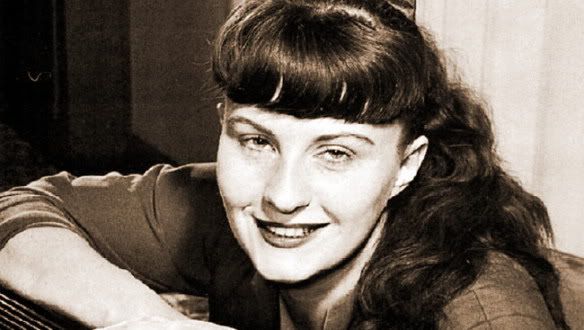
As it's been the case with many women instrumentalists from the early years of jazz, sadly, the name of singer and tenor saxophonist Betty Smith (1929-2011) doesn't mean much today. The cloud of forgetfulness has again cast its dark shadow.
Once dubbed as "the girl with sax appeal", Betty Smith started playing saxophone at the age of 9 and joined an all-girl touring saxophone septet when only 15. Things continued to succeed quickly: at 19 she was married to trumpetist Jack Peberdy; forming her own quintet at the age of 26 and expanding her touring activities to continental Europe and beyond until the 1980s when illness prevented her from further musical activities.
I don't care much about her singing, but her saxophone playing has that mainstream groove and sweet delivery. Case in point: a track from an RCA EP (picture above) featuring Betty Smith on tenor, Terry Walsh on guitar, Brian Lemon on piano, the husband Jack Peberdy on bass, and Stan Bourke on drums, recorded in London, 11 November 1957. It's called Who's Sorry Now?.
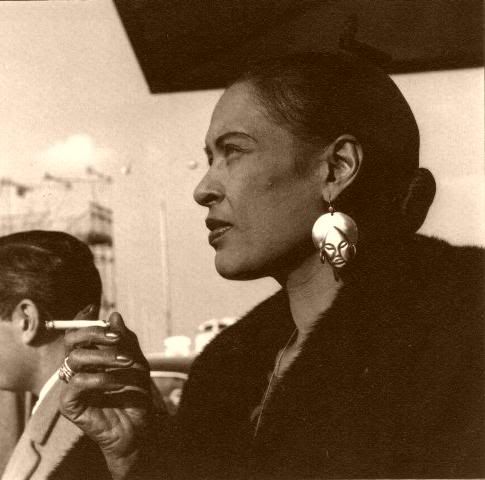
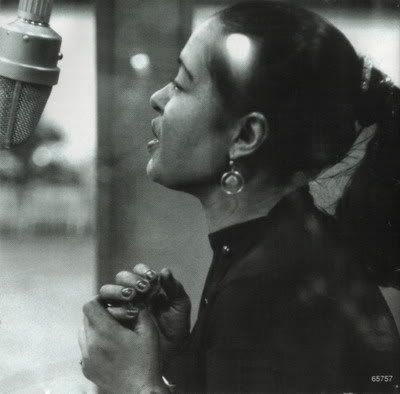
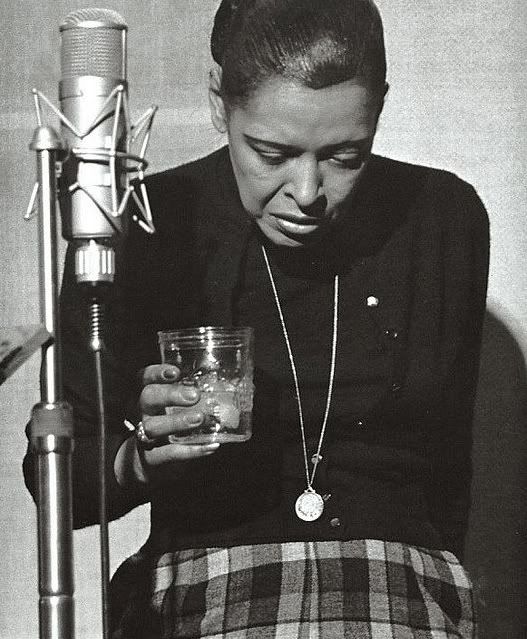
In 1949, Carl Van Vechten, the American essayist, novelist and photographer who had a profound interest in music, literature and Afro-American culture (in 1926 he wrote Negro Blues Singers for Vanity Fair), as a part of his African Americans Portraits project photographed Billie Holiday.
It was Gerry Major who arranged the session and asked Billie to wear on a gown. Billie, ignoring the request, showed up in a grey dress and even greyer mood. Van Vechten talked her into a more intimate look and choice of clothes which she eventually accepted with changing to a silk gown and a Gauguinesque dress underneath.
They worked through the night and it didn't go well at all until Van Vechten, at the verge of giving up the whole idea, showed Billie his pictures of Bessie Smith. Lady Day, staring at the pictures of one of her idols, started to cry. That softened the mood drastically. They shot until dawn and then Lady left. That was the last time Van Vechten saw Billie Holiday.
These photographs are from that night in March 1949.
DINAH Washington sessions with Junior Mance, Clark Terry, Charles Mingus, Milt Jackson, Clifford Brown, Max Roach, Harold Land, Maynard Ferguson, Lucky Thompson, etc.
Dinah Washington who once was given the title of "Queen of the Blues" and became a best-selling artist for labels such as Mercury and Roulette, died unexpectedly on December 14, 1963 at the age of 39. Yesterday was the 50th anniversary of her death while her musical heritage remains almost untouched.
"The most dramatic, indeed thrilling, evidence of the emancipation of
women in jazz is the big band Diva," wrote critic Nat Hentoff. "These girls can play — and I mean play," said another critic, Geoff Burdett, while confessing to "being very surprised by the sheer power and spirit of the band, quite apart from the very high level of musical ability on display."
The Diva Jazz Orchestra, formed by drummer Sherrie Maricle, started giving concerts in 1993 which makes this post a kind of their 20th anniversary celebration, as a part of ongoing series Women in Jazz.
According to Diva's leader, Sherrie Maricle, the band is nothing less
than an international jazz institution for those women who can play. "The women in Diva are
from all over the world," Maricle says, "[and] we are carrying on the
tradition initiated by the legendary big bands of the past. We are
dedicated to the cause of keeping big band music alive and swinging
because we all have a passion for that music."
I must confess I've never been a Diana Krall fan. I have no patience nor musical interest to listen to any of her songs through the end. It seems to me that her success, more than proving her talent, is a great lesson in using new means of gigantic publicity machines of big time companies, if it doesn't remind of the conformity among so called jazz critics. But as the theme of the month on this blog happens to be Women in Jazz, I try to see the whole width of the spectrum and with such intention a superstar like Krall cannot be ignored.
This is, again, from my old VHS tapes of the Bern Jazz Festival in Switzerland, 1997. Here, Krall is accompanied by great Georgian guitar man, Russell Malone who is the most rewarding player on this song. In addition to Malone, Neal Caine who was a remember of Elvin Jones band before joining this touring trio is on bass. Neal, after staying for one year, left for Betty Carter's band. Very wise indeed!
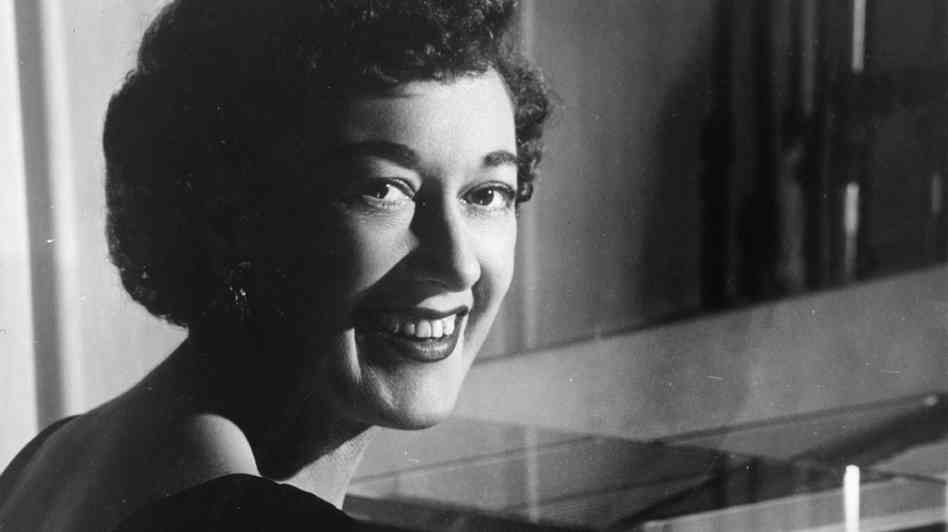
Marian McPartland, the first English lady of jazz piano from Windsor, died earlier this week at 95.
In the 1970s she hosted a show for NPR called Piano Jazz for which she interviewed and played along many musicians (mostly pianists, but not always' dominantly jazz, but also some notable pop instrumentalists). The format of the programme was an hour-long chat and piano playing, whether as solo or duet, and reminiscing about the musical life of each interviewee. Needless to say, thanks to a Marian's long and fruitful career in the States, many of the subjects had prior professional encounters with her. So she knew what she was talking about.
After a reminiscing of Rex Stewart's recordings in Berlin which had an amazing 500 hits and turned out to be one of the most read posts of this blog, and also considering a chat with Berliner pianist/composer Ekkehard Wölk, now's the time for another story of jazz in Germany.
"At 11 A.M. on November 18, 1955, a nervous figure stepped off the gangplank of the S.S. New York at Pier 88 in Manhattan and gazed around with myopic eyes at the unfamiliar landscape of a strange new country. Jutta Hipp had arrived in America," remembers Leonard Feather of the arrival of the person whose life and jazz recordings is the subject of this post.
Before Miss Jutta Hipp's arrival in New York, she was a professional painter and musician in Germany. Born in February 4, 1925 in Leipzig, she started playing jazz in the war years, and not long after the war, she was leading her own combos. Feather discovered her "in the crowded cellar club in Duisberg," and invited her to go to US.
Jutta moved to New York City in 1955, and her first recordings were live at the Hickory House albums, now out-of-print and copies on the web, too expensive to afford. In July of the same year, she went to the studio with Zoot Sims to record probably her most famous LP, in a quintet format. 1956 was also marked by her appearance in Newport Jazz Festival.
We have to wait for the publishing of the first English language book about her (will come out soon) to explain why she suddenly stopped playing jazz and apparently became a seamstress! But some say, she was always nervous of playing with American jazz musicians, in a male dominated environment.
Hipp's American experience was shortly ended up in obscurity, and she returned to her first interest, painting. Though she stayed in New York, and died there in 2003.
This audio file is a radio programme, with interviews and music clips, in German. Anyone interested in transcribing/translating it, is more than welcome.
The last thing I have to say: I won't forgive Richard Cook for not including Hipp in his Jazz Encyclopedia.
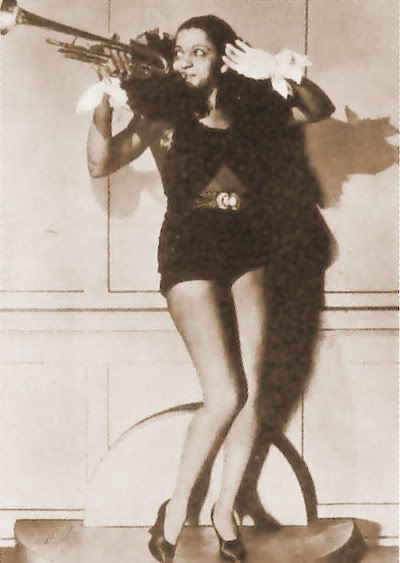
These days, even in jazz circuit, anyone hardly remembers the lady who supposed to be the "female Louis Armstrong", a lady with an incredible life story which begins in Harlem cabarets and ends up in a German prison in occupied Denmark.
Valaida Snow (1904-1956) was a singer, dancer, and trumpet player (also occasionally playing violin, cello, bass, guitar, accordion, harp, banjo). For short spells, a member of Count Basie and Earl Hines bands, she started touring Europe since late 1920s and recorded many sides in London. In early 1940s, during her stay in Denmark, she was imprisoned by Nazis in Copenhagen and after 18 months of "hard labor" in a camp, she was exchanged with some German prisoners held in the hand of Americans. After returning to US, she resumed her career but didn't have a long life.
There is already one informative mini-documentary about her, available online, so I'm not going to do more musing about her life. The main reason behind remembering her in this post was seeing her performing in a French film from 1939, the last days of peace in Europe. The film is Pièges, directed by German-Jewish emigre Robert Siodmak who later made many classic film noirs in Hollywood (among them Killers, Criss Cross). In this scene from Pièges, Snow performs My sweetheart, accompanied by Freddie Johnson on piano.
But if being a historian from any type - jazz or cinema - carries just one great lesson that justifies a life spent on the things pf the past, that is to be the constructive power of 'doubt' in research. In Valaida Snow's case, let's see what's Jayna Brown perspective in Babylon Girls: Black Women Performers and the Shaping of the Modern.
According to Brown, in December 1940, eight months into the Nazi occupation of Denmark, Snow was not only free, but in no harass, and sipping coffee in the Hotel Sanders in Copenhagen, giving an interview to the provincial newspaper Randers Amtsavis. Brown believes that Valaida Snow "stayed" in Denmark by her own choice, and the story of being a prisoner is absolutely a myth.
When she returned to New York, she claimed in a very well propagandized press coverage, "a story of internment in a Nazi concentration camp, of starvation, torture, and frequent whippings". According to the Amsterdam News on April 10, 1943, Snow was supposedly "the only colored woman entertainer on record to have been interned a Nazi concentration camp." Brown argues the Amsterdam News article was designed by Snow's manager to garner attention for her come-back show. Nothing more.
Myth or reality, the story of Snow reappeared in popular culture in various forms: two unfruitful film projects (one with Diana Ross) which never came to production; a short story; and recently, a novel by Candace Allen.
When legend becomes the fact, print the legend, said that newspaperman who heard the true story of the man who shot Liberty Valance.
Jennifer Anderson is a saxophone player from Glenview, Illinois, and currently based in L.A. In addition to being a musician and painter, Mrs Anderson is a grade school music teacher. She is still doing her "big band thing," as well as working in the recording studios. I interviewed her via email, and here she talks about her influences and tenor saxophonists who have inspired her through the years. Like other interviewees, it was impossible for her to just stick to five names, and at one point she quoted from a friend, Chuck Johnson, to point how different players feel close to different sounds and musical personalities. "The attraction to Dexter Gordon for me is immediate because of his sound…big, robust, clear and warm," Jennifer quoted Chuck Johnson, "he has the ability to place every note he plays clearly and distinctly no matter the tempo of the tune. But delve beyond his sound and you find a musician with a fertile aptitude to create improvisations that build logically, melodically and with intensity, chorus after chorus after chorus. And he masterfully and cleverly injects song quotes within any song he is performing. Dexter was also able to synthesize the cool, lyricism and storytelling of Lester Young with the harmonic advancement and fluidity of Charlie Parker and create his own personality." Well, not only we learn from people we love, but also we learn from the way people love other people. That's the main point of these interviews.
◘ ◘ ◘
Sonny Rollins: One of my first jazz music lessons actually came from a Sonny Rollins record. My first saxophone was a tenor. I didn't know much about the saxophone or sax players at the time, so I went to the local record store and picked up some records with pictures of guys with a saxophones one the front. One of them way Sonny Rollins' Way Out West with drummer Shelly Manne and bass player Ray Brown. I loved the cover--he looked so bad-ass slinging the sax and wearing a ten gallon hat out in the desert. When I heard I'm an Old Cowhand I realized the song was him! Never mind that it was a hokey old song. The music sounded as serious as it was fun--and swung like crazy! You could transcribe Sonny's solo and study it in a college classroom, but I really heard his personality coming through. That really got my imagination because Sonny made me see potential and possibility. Throughout his career, he has really dug into that potential and possibility and amazed us all with his interesting use of harmony, fluidity, spontaneity, and wit. There probably are people out there jamming on his tunes right now as well as studying him in college classrooms!
Ben Webster: Like Duke Ellington said said "I've always had a yen for Ben". The distinctive sound of Ben Webster is one that you can recognize is a few notes. Whether he is playing sweet or growly sexy, you could never confuse his sound with anyone else. That sound always seems to go right to my gut somehow. He was a big sensation in the Duke Ellington band in the 40's. Many musicians have paid tribute to him by playing his Cottontail solo, which was a big hit for the Ellington band. My recomendation would be Poutin'!
Coleman Hawkins: I know that historically Coleman Hawkins is a very important innovator. He took an instrument that was more of a novelty and band instrument before the 30's and really wowed the world with his playing. This drew lots of attention to the sax and made it a much more popular as a "legitimate" instrument. But even so, I feel like he would be awesome during any time period, and he was! His career was amazing even through the bop era. His beautiful, strong, colorful, lyrical sound is one I could never tire of. I love how his lines are seamless and ornamental at the same time. What a brain he must have had. Maybe that's why his nickname was Bean.
Lester Young: Lester Young was one of the first people to inspire me to play the saxophone. What I heard made so much sense to me. He seemed to speak in complete musical sentences. I loved his light sound. The problem was that he influenced me so much that I was always playing too laid back, and not in a good way! I finally realized it and stopped trying to be Lester Young. There definitely was only one of him. He is also famous for playing and and recording with his friend Billy Holiday.
Stan Getz: He is probably most known for his work with Antonio Carlos Jobim, which created the Bossa Nova craze in the 60's. But during his career he played it all--big band, cool jazz, bop and more. I heard that he was inspired by Lester Young. He has always been a huge inspiration to me because of the pure magic he created with his sound. When I first heard The Girl From Ipenema I was absolutely spellbound. His magical sound hooked me. I am currently enjoying his recordings that he made with guitarist Johnny Smith.
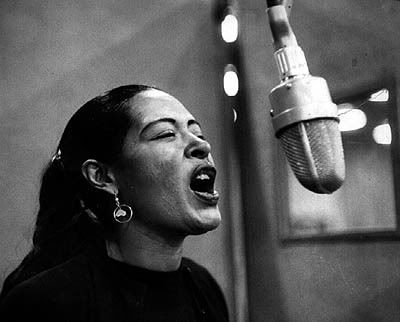
با هالیدی (معروف به لیدی دی Lady day) تعریف آواز نه فقط در موسیقی جاز بلکه در تاریخ موسیقی عامه پسندتغییر کرد. این بانوی بزرگ موسیقی جاز به گفته خودش سعی کرد «صدای گیرای بسی اسمیت را با احساسات و قدرت بیانی ترومپتِ لویی آرمسترانگ» در هم آمیزد. او بیشتر از همه خواندگان موسیقی جاز، سنتهای بلوز را به زبانی امروزی در میآورد؛ به روايتي او بلوزیتر از همه آنها بود. برای او همیشه آواز تابعی از احساسات شخصی است و این احساسات آن قدر قدرتمند هستند که بتوانند ارکسترجاز را به دنبال خودش بکشند. خود هالیدی سعی میکرد مانند یک ساز بادی آواز بخواند و با هر نفس نتها و ملودی را بیرون دهد. هیچ گاه قصد نشان دادن تواناییهای تکنیکی خارق العاده با صدایش را نداشت (و به عقیده مخالفانش جنس صدای او هرگز چنینن اجازهای به او نمی داد!) و حتی در نخستین دوران ضبط آلبومهایش که او را واداشتند استانداردها را با سنتهای از پیش معلوم آوازی بخواند نتیجه مأیوس کننده بود. اما به مرور ضبطهای او نمونههایی اعلا از هنر آواز در موسيقي جاز، يعني نقطه تلاقي سويينگ و بلوز، شد. او شاعری بزرگ هم بود و آهنگهای مهمی همچون Godbless the child و Strange Fruit میتوانند به عنوان تواناییهای دست کم گرفته شده او به عنوان شاعرهای استثنایی در تاریخ جاز بررسی شوند. زندگی خصوصی او همچون بسیاری از دیگر موزیسینهای جاز درآمیخته با رنج و فشارهای روانی بود که از یک کودکی مهیب، اعتیاد به مواد مخدر و مصائب فرساینده تبعیض نژادی برمی خواست.
پدر بیلی که نوازنده بانجو و گیتار در ارکستر یکی از پیشگامان جاز، فلچر هندرسون، بود در دوران کودکی او خانه را ترک کرد. نه پدر بیلی و نه مادر او در این زمان بیشتر از 20 سال سن نداشتند (درواقع مادرش هنگام تولد او 13 سال داشت). بیلی هالیدی با مادرش در 1927 به نیویورک مهاجرت کرد. کودکی او در کوچه و خیابان گذشت و حادثۀ تراژیک تجاوز در ده سالگی زندگی او را تا پایان عمر تحت الشعاع قرار داد. به زودی به زنی خیابانی بدل شد. وقتی در 1933 و در میانه بزمی تشکیل شده از بيكارهها و الکلیها برای مسخرگی به روی صحنه کشانده شد تا آوازي بخواند و مايۀ تفريح جماعت را فراهم كند، شنيدن صداي حزينش شنوندگان كافه را بر صندليهايشان ميخكوب كرد. البته این داستان میتواند افسانهای ساخته خود بیلی باشد که در کتاب زندگینامۀ بسیار مهم و جنجالیاش، «بانو آواز میخواند» (Lady Sings The Blues) روایت شده باشد و شکل دیگر داستان این است که او از ابتدای دهه 1930 خوانندهای حرفه ای بوده و صدایش نظر جان هاموند را جلب کرده و با او قراردادی بسته است. البته در نقش هاموند در شناساندن بیلی تردیدی وجود ندارد. چه نوشتن مقالهای درباره بیلی در مجله ملودی میکر (Melody Maker) و چه بستن قراردادی با او از سوی کمپانی کلمبیا. این هاموند بود که در نشستهایی صدای بیلی را با همراهی بنی گودمن ضبط کرد که در آن زمان یکی دیگر از آدمهای تحت حمايت هاموند بود. بیلی به موازات جلسات ضبط برای کلمبیا در کافههای نیویورک به اجرای برنامه دست زد و از این راه تواناییهایش به عنوان یک خواننده را با تمرینی دائمی سیقل داد. در ادامه او با این موزیسینهای بزرگ و اركسترهاي بزرگي کار کرد: ارکستر تدی ویلسون 39-1935، ارکستر کنت بیسی و آشنایی با لستر یانگ نزدیکترین دوست تمام عمرش و نوازنده ترومپت باک کلایتون 1937، همراهی جنجالی با آرتی شاو به خاطر ترکیب سیاه و سفید گروه که در آن زمان چیزی غیرقابل قبول بود 1938، هدایت گروههای خودش 1940، همبازی شدن با آرمسترانگ و کید اوری در فیلم نیواورلئان1946.
هالیدی آرام آرام از آغاز دهه 1940 به ستارهاي بزرگ بدل شد. آهنگی که بعد از ترک ارکستر آرتی شاو در کافه سوسایتی نیویورک اجرا میکرد و Strange Fruit[ استعارهای دردناک و واقعی از جسدهای لینچ شده آویزان سیاهان از درختان جنوبی] نام داشت غوغایی به پاکرد. حتی جان هاموند حاضر به ضبط این آهنگ نشد و خیلی از ایستگاههای رادیویی نسخهای از آن که توسط میلت گابلر ضبط شده بود را تحریم کردند.
در همین زمان اعتیاد به هرویین و شوهران عوضی زندگیاش را ویران کردند. در 1947 به اتهام حمل مواد مخدر بازداشت شد و روزنامهها محاکمهاش را به یک نمایش جنجالی تبدیل کردند. با مرگ مادرش در همان روزها شیرازه زندگیاش برای همیشه از هم پاشید. پس از گذراندن دورهای در زندان دیگر نمیتوانست کار پیدا کند اما سرانجام نورمن گرنتز به سراغش آمد و برای ضبط با گروههای کوچک با او قرارداد بست. مجموعه کارهای بیلی هالیدی پس از این بعضی از زیباترین و دردناکترین قطعات آوازی ضبط شده در تاریخ موسیقی جازند. در 1954 به توری در اروپا رفت و در 1956 کتاب خاطراتش را منتشر کرد و در همین سال دوباره بازداشت شد. در 1959 با اینکه 44 سال بیشتر نداشت مثل پیرزنی رنجور به نظر می رسید. هالیدی در همین سال بر اثر عارضهای قلبی درگذشت.
سال هاي آخر
مجموعه آثار ضبط شدۀ بانوي بزرگ آواز به شکلی دقیق در چند مجموعه نفیس به روی CD درآمده اند. این مجموعهها و سالهایی که کارنامه بیلی را پوشش میدهند از این قرارند:
لیدی دی: مجموعه کامل آثار بیلی هالیدی براي كمپاني کلمبیا 44-1933 در 10CD
ضبط های کمپانی کومودور 44-1939 در دو CD
مجموعه کامل ضبطهای اوریژینال برای کمپانی دکا 50-1944 در دو CD
مجموعه کامل ورو(verve) 59-1945 در 10CD.
از روی کتاب خاطرات بیلی، فیلم بانو بلوز می خواند (1972) ساخته شده و دایانا راس در نقش بانوی آواز جاز ظاهر شده است.
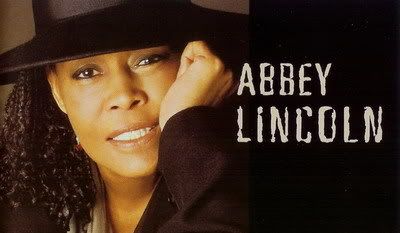
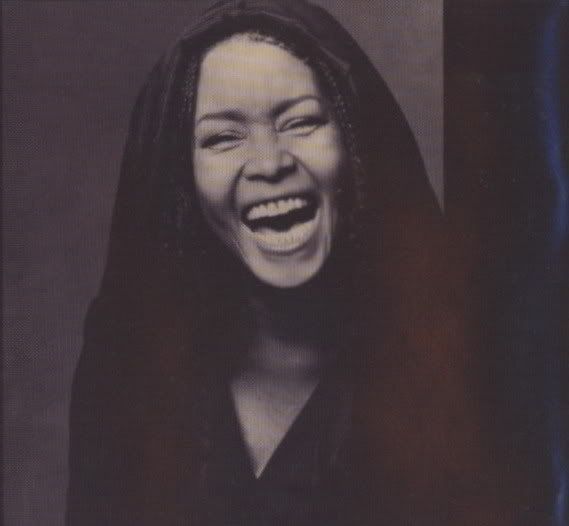
This Chicago born beauty worked as a singer in California under the name Anna Marie and appeared in the film, The Girl Can't Help It and some other minor roles. Lincoln's "own emancipation proclamation turned her from conventional club singer into one the most dramatic and distinctive voices if the day," as Morton and Cook in their Penguin Guide to jazz on CD explain. So began recording for Prestige. A mighty start for a new singer to mixed with Sonny Rollins and Kenny Dorham, Wynton Kelly and Paul Chambers. Fell in love with drummer Max Roach and married him (1962-70). Her Career faded in the '70s but a revival arrived in the '80s, this time European took interest in her music and that led to a new contract with Verve. Since then she was active and an influential jazz vocalist on a new generation of female singers, according to Richard Cook.
I love her emphasizing notes and words, her often departures from blues and the way she copes with brass instrument, the way that Billie Holiday used to be.
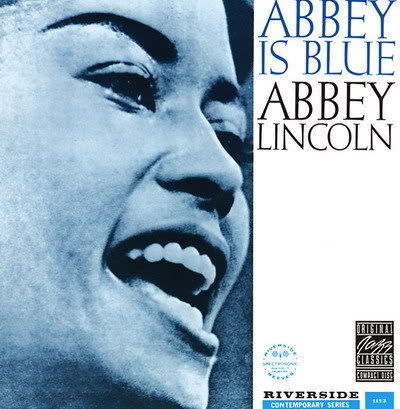
Her first five recordings are all classics: That's Him (1957, Riverside), It's Magic (1958, Riverside), Abbey Is Blue (1959, Riverside), We Insist! – Freedom Now Suite (1960, with Max Roach, Candid), and Straight Ahead (1961, Candid Records).
Though she wasn't much of a ballad singer from the beginning, later, in her two 60s recordings she broke free from those conventions of a female jazz vocalist and start incorporating political themes into her lyrics. Even her voice became rougher to mirror the anger that she was feeling at the time. Racism and injustice was the key theme of her masterpiece with Max Roach, Freedom now suite, produced by Nat Hentoff, in his new Candid label , and banned in South Africa.
If you live in where I live and jazz be your only language, it's impossible to not cry with Max/Abby's Freedom Day, as I did during all bloody summer of 2009.
And finally, maybe there is a small problem with these early recordings and that's the top-notch line-ups. Somehow Abbey get lost in a crowd consists of Coleman Hawkins, Booker Little, Julian Priester, Eric Dolphy, Mal Waldron, Sonny Rollins, Kenny Dorham, Benny Golson, Art Farmer, Sahib Shihab and many heavyweights that she or her record producer have picked as sidemen. This is unlike Billie who could sing in front of any band, or Sarah Vaughan who just start to warm up in front of a twenty piece orchestra. Maybe Abbey lacks that power in her sound which make one go and outdo any instrument. But no one, never, can complain about the music, because it's always near perfect and when Hawk comes in, it is perfect (in this case just listen to Coleman Hawkins in Freedom Now Suite's Driva' Man, after Abbey's mesmerizing introduction).
Listen to Abbey, accompanied by mister Hank Jones on piano in The Nearness Of You, 1992:
This Mildred Rinker is a real bitch! She is the best “white” singer jazz ever has had. Although her parents were native Americans, she had “white” skin and she swung it indeed differently. Her style, though old fashioned, even for those swinging days, had something especial in itself.
First, I think it was her sweet smile. The looks of her, the way she stood in front of the band; imitating jimmy rushing. These sorts of trivialities gave her a singular tenderness. Her voice itself had a charming quality that was appealing to many black musicians; a voice that had so much in common with some very famous female singers of her time: Ethel waters, Helen Humes, Billie holiday. No wonder so many great musicians of those days, gents like buster bailey, hawk, little jazz, teddy Wilson, “specs"”, Charlie shavers, frog, Marie Lou and the so called “first vibraphonist of jazz” Red Norvo, who later became her husband, worked so intensive with this lady.
Her education as singer started back in early days in Spokane. She had many appearances in radio shows and revues around west coat of those days. Her brother, Al Rinker, himself a singer of the celebrated Paul Whiteman’s orchestra, helped her to join the band for a while. She became a member of the vocal group of the mentioned orchestra, “rhythm boys”, to which Bing Crosby also belonged. 1929 was the year in that she started to become a celebrity on her own. The appreciation she got from such prominent black female blues singers like Bessie smith and Ethel waters helped her to move fast enough in music circles of the time. During her collaboration with Whiteman, she came to know Red Norvo. They married in 1933. It lasted almost 11 years. After her marriage she left Whiteman and dedicated her career entirely to work with her husband’s band. In the mean time, she recorded some of her best-accomplished jazz works. The studio bands that accompanied her during this time had some of the most prominent musicians of those days in their ranks. Her popularity reached its zenith when she recorded the famous Hoagy Carmichael opus “rocking chair”. She was known from then on as “rocking chair lady”, “Mrs. Swing”, etc. She was already a known personage in jazz, when she joined the band of Benny Goodman in 1939.
Bailey’s most important accomplishment as a “white” singer was her mastery of the art of phrasing very pertinent in the jazz idiom. The high degree of taste and art of articulation she shows in the recordings with Mary Lou Williams and rhythm section consisting of Floyd Smith, John Williams and Eddie Dougherty are best examples of her mastery. Barrelhouse style and Kansas City style of stride are prominently shown in her treatment of the tunes “Arkansas blues” (1939) and “barrelhouse music” (1939). The jazz flavor is also at its best when she is swinging in “black-swing modus operandi”, as procreated by recordings she did early 1944 with that famous four trumpet band that also featured Coleman Hawkins as the sole reedman.
Miss bailey definitely enjoyed natural sensibility for the beat that is mainly the basic element for improvisatory enthusiasm, enunciation fervor, rendition and embellishment that we find in her style in abundance. Bravo! Mildred baby. I love you as much i do love that other bailey girl. I still can see you singing in that very famous date with this brilliant drummer “specs”; the song of your songs “don’t talk about me…” “Though are friendship ceases from now on…” “Makes no difference how i carry on”. By the way, she reminds me in her “I get by” of another singer lady of the Basie stock, Miss Helen Humes. Oh yea! Babe! You are certainly a bitch! Just dig her astounding St. Louis! That is what one calls armstronging. Very fine lady. Very lovable! The sky was blue and high above, the night was new, and so was love, this aching heart of mine is singing etc… bravissimo! Darling Mildred.
Speaking of aching hearts! My sweetheart had one of them. It killed her in the year 1951. Thanks for the memory. --By ARP