Tuesday, September 17, 2013

Jazz Mirrors Iran#8: In a Persian Market


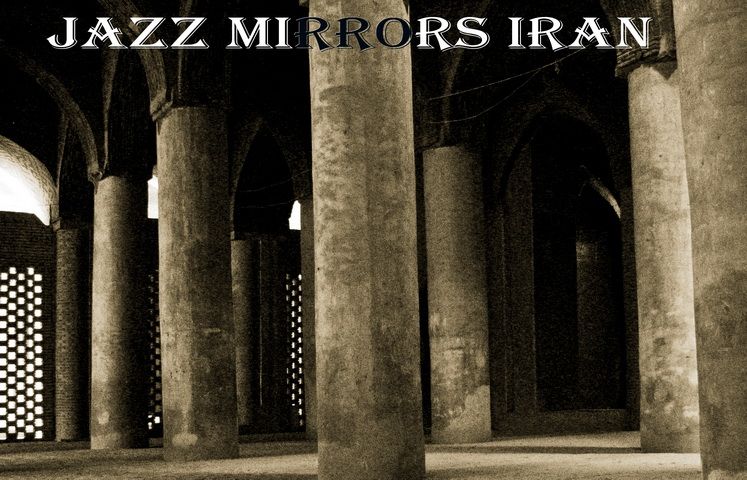
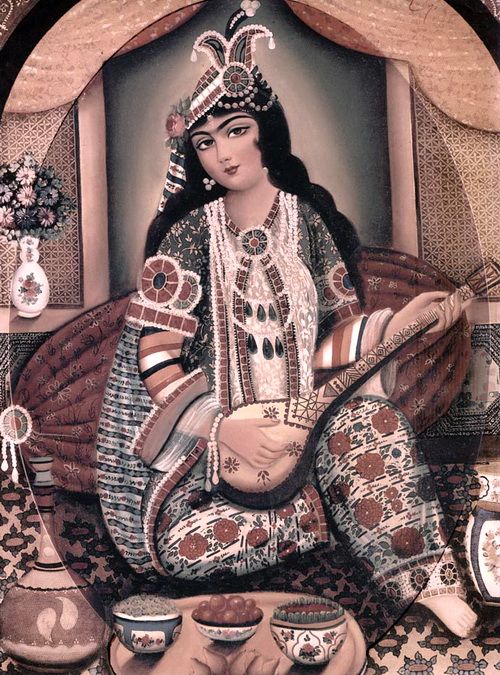
The whole color spectrum reflected in tasbihs, hanging from the shop windows. The smell of rosewater perfumes. Carpets and rugs piled inside doorless, windowless shops and a carney-like salesman shouting outside, encouraging curious pedestrians to go in and see the “best.” Kebab shops, sending the smell of rice and meat to the air, next to a fabric shop that no lady can resist stopping by and bargaining with the humorous, assured salesman. This is the daily scene in the bazaar of Mashhad (where I lived most of my life), Grand Bazaar of Tehran, or the dream-like Vakil Bazaar of Shiraz, a Persian market somewhere in Iran where its colors, noises, smells and movements are uniquely inspiring for any poet, musician, filmmaker and anyone interested in turning the sights and sounds of the daily street life into a piece of art. [above photo: ceiling of a bazaar in Iran. Photography by Reza Hakimi.]

Now, the jazz connection, or rather the story of a song: The story begins in England, where the Birmingham born son of an engraver, Albert Ketèlbey (1875-1959) wrote this week’s theme tune, In a Persian Market. In 1920, Ketèlbey, a busy composer in London’s West End music halls, probably without ever being to a Persian market, used his imagination to depict a busy day in a Persian bazaar. His compositions soon became a popular hit, recycled many times, and even found its way to the jazz songbook.

Sunday, September 15, 2013

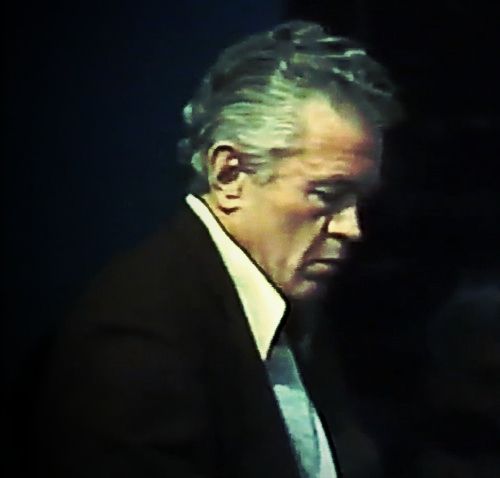
Earl Hines Documentary (1975)


This English documentary about the father (AKA Fatha) of jazz piano, Earl Hines, came to the online world some months ago. Beautifully shot by two-time Oscar winner DP of The Mission (Robert DeNiro, Jeremy Irons) and The Killing Fields (Sam Waterston), and directed by the Scottish TV documentary maker Charlie Nairn, it was filmed during Hines's rehearsals in the Blues Alley Club, Washington, DC.

Many thanks to the uploader Mark Bunker.


Recommended: Earl Hines with Benny Carter, another rare concert footage here.


Thursday, September 12, 2013

Bud and Buddy: Two Beautiful


If you are a regular visitor, you've probably noticed that recently the sound archives of David W. Niven (no relation to the charming actor, nevertheless a charming collector) and the writings of Whitney Balliett have been the focus of this blog. I hope you're enjoying this feast as much as I do.

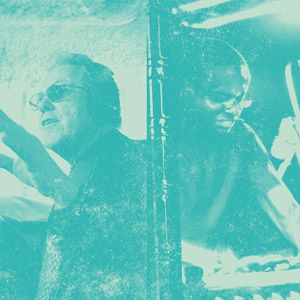
This week's edition presents a recording from my favorite format in jazz, "A Meets B", in this case, two ténor extraordinaire meeting gently, passionately and unforgettably: Bud Freeman and Buddy Tate.

This is a live date recorded at the New Orleans Jazzclub, Holland, on March 31, 1976. Released by RIFF and also Circle on vinyl.

The local rhythm section is consisted of pianist Chris Smildiger, bassist Koos van der Sluis and drummer Ted Easton.

Thursday, September 5, 2013

Cootie, Rex and Hawk: Together


The year is 1957, and the session, one of the most enduring in jazz history. If you like cinema, an analogy can be made between this session and a film called RoGoPag, directed by Roberto Rossellini, Jean-Luc Godard and Piere Paolo Passolini. The session is simply called Together, alluding to the mere excitement of putting together the cream of Mainstream musicians under one roof and they blow with such versatility and ease. The Rosellini of the session is Coleman Hawkins, it's Godard, Cootie Williams, and Rex Stewart being its PPP.

For the list of other musicians supporting the Three Musketeers scroll down the page to see a scan of the liner notes, penned by no one but Monsieur André Hodeir (The LP came out in France.)

The audio file's from David W. Niven's vault, accompanied by his commentary (info mostly comes from the liner notes) between the tracks.

Saturday, August 24, 2013

Oh Lady Was Good: 6 Favorite Marian McPartland Piano Interviews


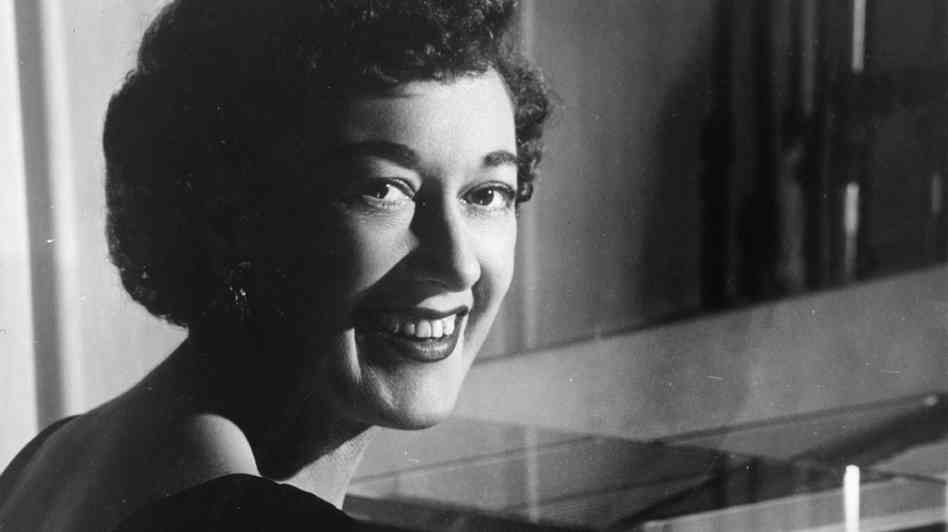
Marian McPartland, the first English lady of jazz piano from Windsor, died earlier this week at 95.

In the 1970s she hosted a show for NPR called Piano Jazz for which she interviewed and played along many musicians (mostly pianists, but not always' dominantly jazz, but also some notable pop instrumentalists). The format of the programme was an hour-long chat and piano playing, whether as solo or duet, and reminiscing about the musical life of each interviewee. Needless to say, thanks to a Marian's long and fruitful career in the States, many of the subjects had prior professional encounters with her. So she knew what she was talking about.

Here is my six favorite moments from those shows.

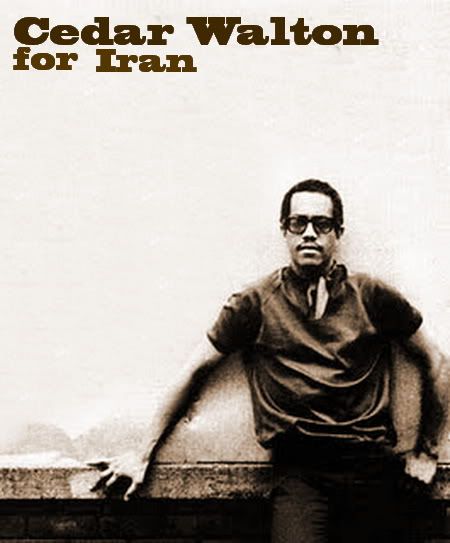
Radio Hawkins#8: Cedar Walton Sideman Years [repost]

برنامۀ هشتم
سيدار والتُن
برنامه‌اي از آثار والتُنِ پيانيستِ همراهي كنندۀ گروه ها و موزيسين هايي از 1959 تا 1979
شامل: ابي لينكُلن، آرت بليكي، آرت فارمر، جان كُلترين، لي مورگان، لاكي تامسُن، ري براون و بسياري از اساتيد ساكسوفن و ترومپت سال‌هاي پنجاه و شصت ميلادي
براي شنيدن اين برنامه كمي معلومات جمع كردن دربارۀ موسيقي هاردباپ ضرري ندارد و در اين‌جا فراهم است و آمادۀ خوانده 
شدن


با كيفيت متناسب با سرعت اينترنت ايران و تكه شده به دو قسمت براي تسهيل دانلود


Saturday, August 17, 2013

Jazz Mirrors Iran#7: Jazz, the Samarkand Way


If you’re a jazz aficionado, you’ll immediately assume from the cool sound of contra-bass, clarinet-bass and brushed drums that the played track [here] is a west coast jazz from the mid 1950s. The carefully established musical textures and easy-going swing of the piece with some nice urban colorizations only make you more sure.


But take a look at the album cover and you’ll see every guess, except maybe the date, is wrong. Hard to believe, but what you’re listening to is a track by Aminollah Hussein, or André Hossein, the French-Iranian composer, famous enough in France for being the father to the French movie star and director, Robert Hossein.

Tuesday, August 13, 2013

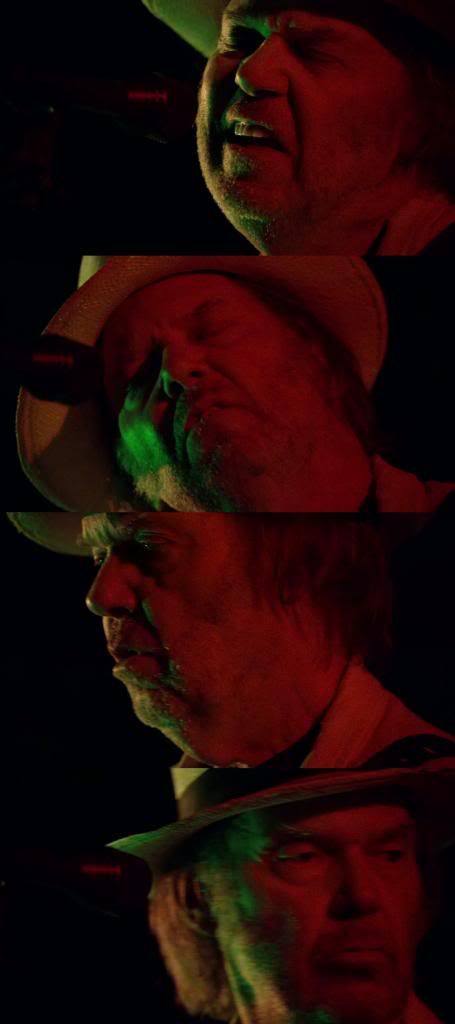
On Neil Young Journeys


In the last three years the number of films made with or about (and occasionally by) Neil Young has mounted up to the extent that is difficult to remember which song was in which film. Parallel to an overdose of NY album releases - marked by two recent, and rather disappointing, Crazy Horse sessions - camera seems to love this Canadian singer/songwriter, still, at 66, a restless rocker in search of a Woodstock dream. Also, the age, 66, resembles the golden number American popular music and the cross country highway of freedom in anything from Nat King Cole to Dennis Hopper.

The aforementioned filmic portrayals are: in 2009 Young was given his entry to the American Masters series in Don't Be Denied. Unlike Bob Dylan film from the same program, which had Martin Scorsese’s name in the credit, Don't Be Denied was denied soon after its initial broadcast and went into oblivion. On the same year, Jonathan Demme filmed the electric storm of a NY tour in the Trunk Show. In 2010 the electric solo album, Le Noise, with its murky, elegiac lyricism turned into a 40 minute-long YouTube video, shot in a beautiful L.A. mansion with a feeling of LSD all throughout the film. And now, Demme’s fourth film with NY (after Complex Sessions, 1994; Heart of Gold, 2006 and the Trunk Show) seems in better shape and Younger than all the recent efforts.

Saturday, August 10, 2013

Al Haig, a Pianist of Vigilant Sensitivity

Al Haig

One of my relatives, recently turned 66, whose life is wholly dedicated to jazz (and I'm used to calling him "uncle") asked me for a groundbreaking favor, something that utterly defines his jazz canon: he asked me to reorganize his iPod, delete the unnecessary stuff, so he can only listen to the albums recorded by three musicians and no one else - all pianists. For him, the lucky 3 who have survived the test of time were, respectively, Count Basie, Al Haig and Ahmad Jamal.

While Basie holds a rank only next to God, and Ahmad is enjoying a belated recognition (in spite of being praised by Miles Davis and selling thousands of his Pershing album more than half a century ago), though mostly in Europe, Haig still remains the pianist in the dark, the doomed figure, nevertheless the most lyrical of all.

"In many respects,"Max Harrison declared, "Al Haig was  the most sympathetic pianist to record with Parker." The same writer quotes Stan Getz who calls Haig "the best in the business."

Williams' Jazz Review article (Volume 3, Number 5, June 1960) sheds more light on the career of the obscured giant:

Sunday, August 4, 2013

Jazz Mirrors Iran#6: Paraded Beauty


Women in Iran: a hot topic, no matter how you look at it, from European feminists studying the country to Iranian men sipping cups of “smuggled” Starbucks coffee while cruising up Tehran’s Jam Avenue. Whatever helps to glamorize these young ladies on the streets comes to their service: heavy make-up, flamboyant haircuts which under the veil turns the head into a piece of early Cubist art, bold colors that remind one of Gauguin in Martinique, tight dresses that generously exhibit the female figure, high heels and leather boots that make the infamous Betty Page look like a modest housewife - cigarette smokers, driving behind the wheel of expensive sport cars in northern Tehran, listening to loud music - patrons of Tehran’s reputation as the nose job capital of the world, as if all Persian girls rival themselves with Nicole Kidman in how properly whittled noses should look.
photo by Reza Hakimi

Art and culture aside, what impresses Western visitors in Iran are these apparent dichotomies of beauty and street fashion, all the more exotic to foreign eyes as defiance within the stringent rules of the Islamic Republic regime. “Women are so chic there,” Mark Cousins, an Irish filmmaker told me one time while making a documentary in Iran, “it’s like a European country, but a strange kind of Europe.”


Pari Ruu, Lloyd Miller and the Heliocentrics