Showing posts with label London Jazz Scene. Show all posts

Wednesday, December 3, 2014

The EFG London Jazz Festival Review

Photo by Roger Thomas
The EFG London Jazz Festival is now the biggest jazz event in the UK, bringing in acts ranging from the most prominent American musicians of the day, to British talents and voices from other parts of the world. Though the festival favours clear distinctions between traditional notions of jazz, big band and the avant-garde, there are always artists working in-between idioms, refusing to be easily categorised. Like most prominent cultural happenings in London, the festival is liable to be glossy, over-serious and sold-out—but it’s never exclusive or out of reach. The host venues are spread across the city, beyond the three major concert halls that welcome most of the “big names” (Queen Elizabeth Hall, Royal Festival Hall, and The Barbican), and are open to anyone. In the intimate space of the Vortex and other clubs similar in size, a no less extraordinary programme of music frequently awaits the avid listener. Indeed, as with any other festival, it is often in these venues where the standout sets are heard.

Read my review of acts such as John Surman, The Branford Marsalis Quartet, JD Allen, Randy Weston, Billy Harper, The Buck Clayton Legacy Band, Stefano Bollani, Tomasz Stanko, Dave Holland, and Kenny Barron here.

Monday, January 13, 2014

Jazz Parade in Twickenham

While searching on YouTube, I came across this fascinating footage from a mid-fifties jazz parade in London. Brian Rutland, a trumpet player who has provided the video, adds his commentary to the footage of the jazz ball:
"These movies were taken in 1955/56. My first band, The Grove Jazz Band (my family lived in The Grove , Isleworth at the time), often hired a lorry to advertise the various venues where we were playing in the area e.g. the Swan, Rose & Crown, The Town Hall at Isleworth, the Barmy Arms in Twickenham and the first jazz sessions to be held at Eel Pie Island (sometime before Arthur Chisnall became involved).  The clips show a local college rag parade with floats passing though Isleworth High Street with the Grove JB on the lorry and Ken Colyer's marching band. If you look closely you will see Acker Bilk, not in band uniform, marching in the front line - this was before his rise to fame. There are various clips of the band and dancers at jazz clubs. And finally the band preparing and setting off to tour Twickenham and adjoining areas to promote the Twickenham clubs. Also see photos at 1950's pics - The Grove Jazz Band / Eel Pie.  The cover music was recorded by my band in 1968 and is now on a CD. The Brian Rutland Band "Doctor Jazz". The personnel included Gordon McKay (trombone), Mike Atterbury (clarinet), Dave Rylance (piano), Paul Sealey (guitar), John Boddy (bass), Colin Bowden (drums) and Johnny Silvo (vocals)."

Sunday, November 24, 2013

LJF's Essentially Ellington


These two photographs, taken from last night's Essentially Ellington concert at the Queen Elizabeth Hall, London, show the Scottish National Jazz Orchestra, directed by Tommy Smith, in their evening opening set. Played as a part of the London Jazz Festival (now EFG LFJ), SNJO's reproduction of the Ellington repertoire is based on their album In the Spirit of Duke. The festival booklet reads: "Director Tommy Smith sets out to give audiences as close to the real-deal Ellington experience as possible. The music spans most of Ellington's career, including Black and Tan Fantasy, Daybreak Express, Rockin' In Rhythm and a ravishing tenor-piano duet of The Single Petal of a Rose.  As well as movements from The Queen's Suite, it features extracts from Ellington and Billy Strayhorn's re-interpretation of Grieg's Peer Gynt Suite." 

Sunday, August 4, 2013

Jazz Mirrors Iran#6: Paraded Beauty


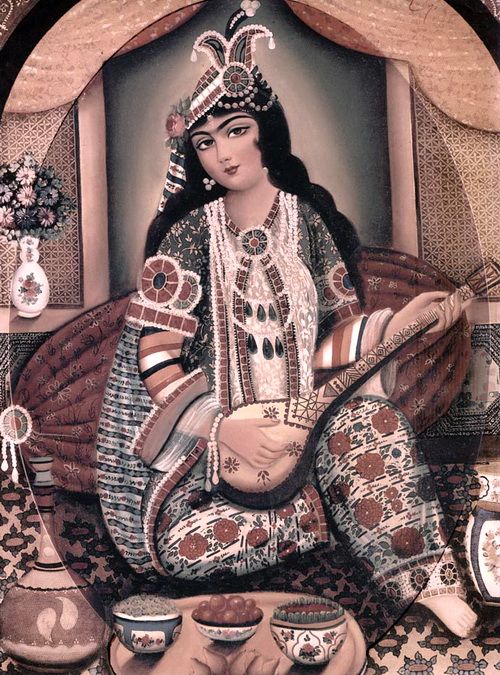
Women in Iran: a hot topic, no matter how you look at it, from European feminists studying the country to Iranian men sipping cups of “smuggled” Starbucks coffee while cruising up Tehran’s Jam Avenue. Whatever helps to glamorize these young ladies on the streets comes to their service: heavy make-up, flamboyant haircuts which under the veil turns the head into a piece of early Cubist art, bold colors that remind one of Gauguin in Martinique, tight dresses that generously exhibit the female figure, high heels and leather boots that make the infamous Betty Page look like a modest housewife - cigarette smokers, driving behind the wheel of expensive sport cars in northern Tehran, listening to loud music - patrons of Tehran’s reputation as the nose job capital of the world, as if all Persian girls rival themselves with Nicole Kidman in how properly whittled noses should look.
photo by Reza Hakimi

Art and culture aside, what impresses Western visitors in Iran are these apparent dichotomies of beauty and street fashion, all the more exotic to foreign eyes as defiance within the stringent rules of the Islamic Republic regime. “Women are so chic there,” Mark Cousins, an Irish filmmaker told me one time while making a documentary in Iran, “it’s like a European country, but a strange kind of Europe.”


Pari Ruu, Lloyd Miller and the Heliocentrics

Wednesday, November 14, 2012

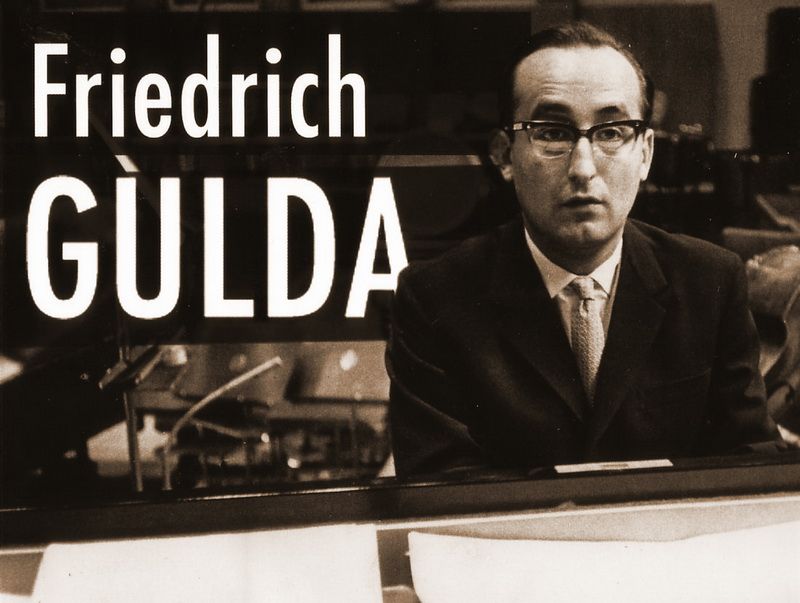
London Jazz Festival: Celebrating Friedrich Gulda


What is the definition of good music? There are thousands of answers to that. Mine, at this moment, is a simple or even primitive one: when you leave the venue, whether a tiny, basement club or a 2000-seat concert hall, you still have the beat, the vibe and the mood. So the actual concert is only the beginning of a longer personal association with that piece of music.

Last night, after the first set with the BBC Concert Orchestra playing Fredrich Gulda was finished, and when an interval of 20 minutes began in anticipation for the next set with Shabaka Hutchings, me, standing on the terrace of Queen Elizabeth Hall and its magisterial view to the Thames, and smoking the life away in hand-rolled cigarettes, felt that music of the first set was still physically present inside my - growing in me. What moved me so profoundly and brought the joy so easily was Fredrich Gulda's cello concerto, conducted by Mark Lockhart and soloed by Benjamin Hughes whose sensitivity as a great player was mixed with authority and preciseness. What could easily get into your system was a joyous "mish mash" (Lockhart's words) of the Viennese swing and marches, flickering sounds of woodwinds on the background which elaborate the tense presence of cello. It was good enough to literally overshadow what was followed in the concert.


Monday, November 12, 2012

London Jazz Festival: Celebrating Gil Evans


Gil Evans' arrangements in jazz are like Michelangelo Antonioni's landscapes and cityscapes in cinema: they are suspending spaces, inhabited and lost, in time. Cold, estranged and wintery, even if it is set in Africa (The Passenger), or in Evans' case, it is an arrangement for a classic like Summertime. Arrangements aside, his writings are even more fascinated with abstractness and low-register sounds of odd instruments (tuba, French horn, many trombones) which depicts the lower, or hidden corner's of its composer's sad soul, a Californian from Irish-Scottish origins whose apartment's door on West 52nd Street was open to revolutionaries of jazz and new sounds of surprise in the 40s and 50s.

Last night's concert at the Queen Elizabeth Hall, a tribute to Evans the writer and Evans the arranger, was a proof of still how vivid and valid is his music, more than half a century after its creation, unlike many of the modern big band and classical-oriented compositions of that period which seems heavy and stuffy today, in another word, dead and gone. Ironically, Gil's orchestration of bleakness has stayed more vivacious than his contemporaries.

Saturday, April 28, 2012

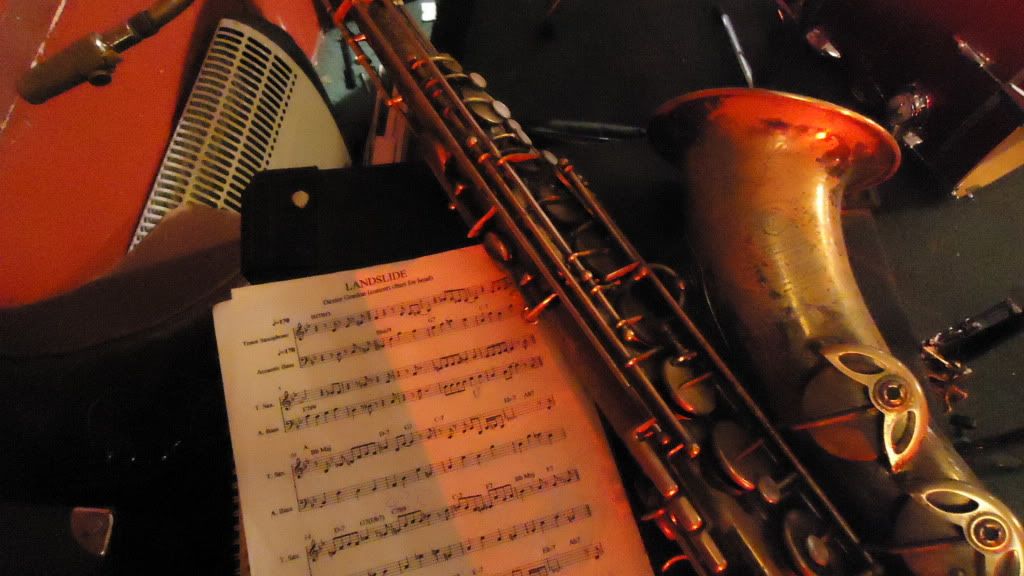
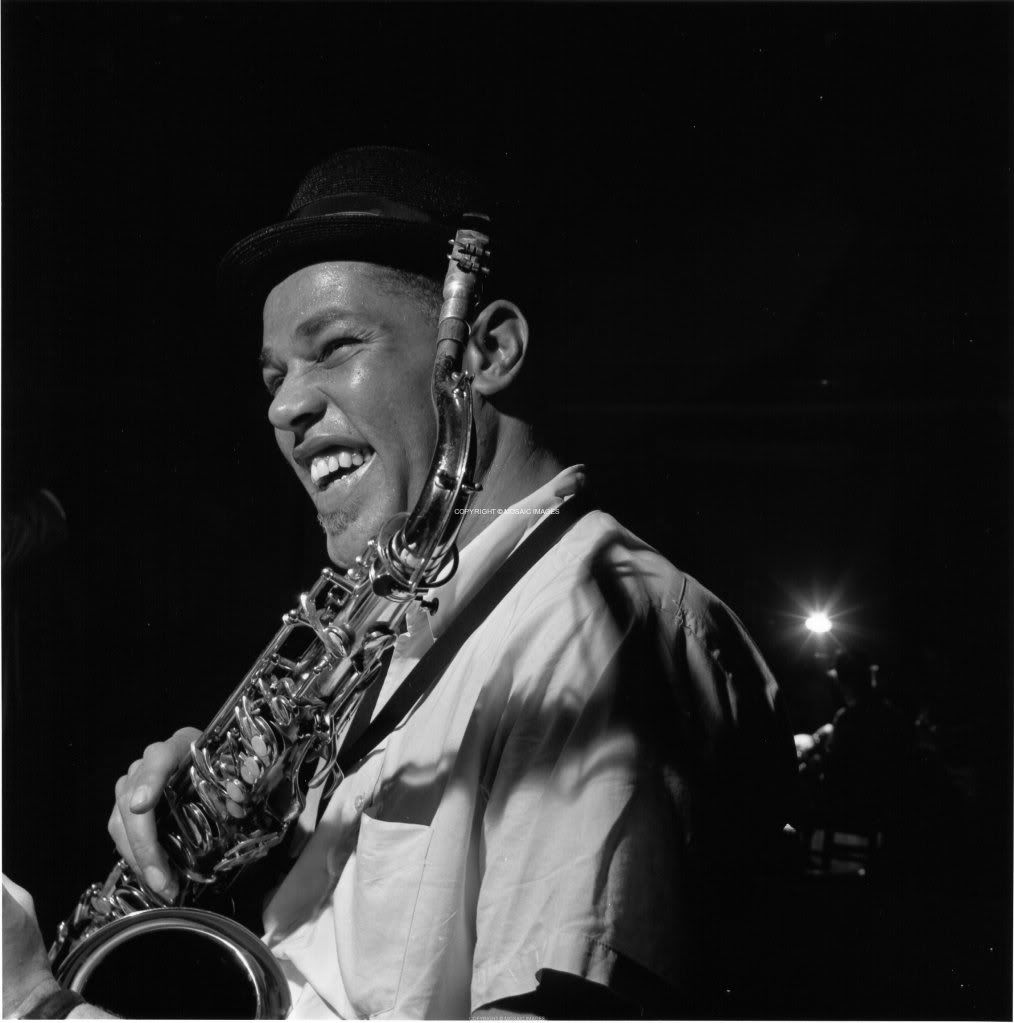
Liner Notes for Dexterritory Album


Sweet tenor lifting/All American sorrows/Raises mouthpiece to mouth/And blows to finger” – Jack Kerouac


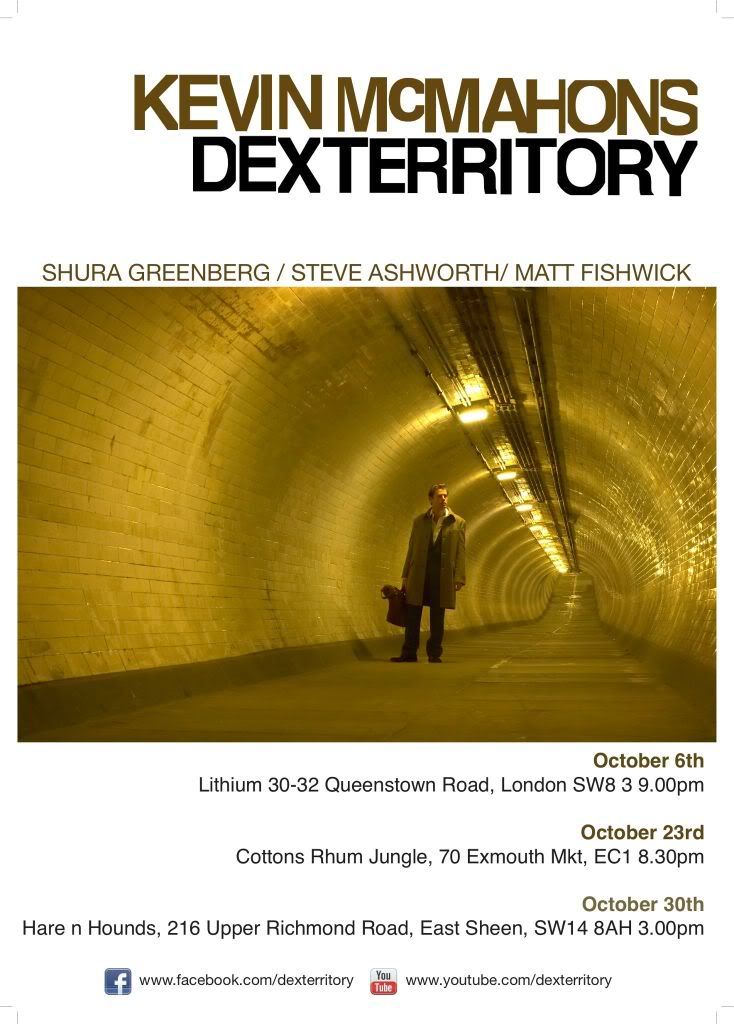
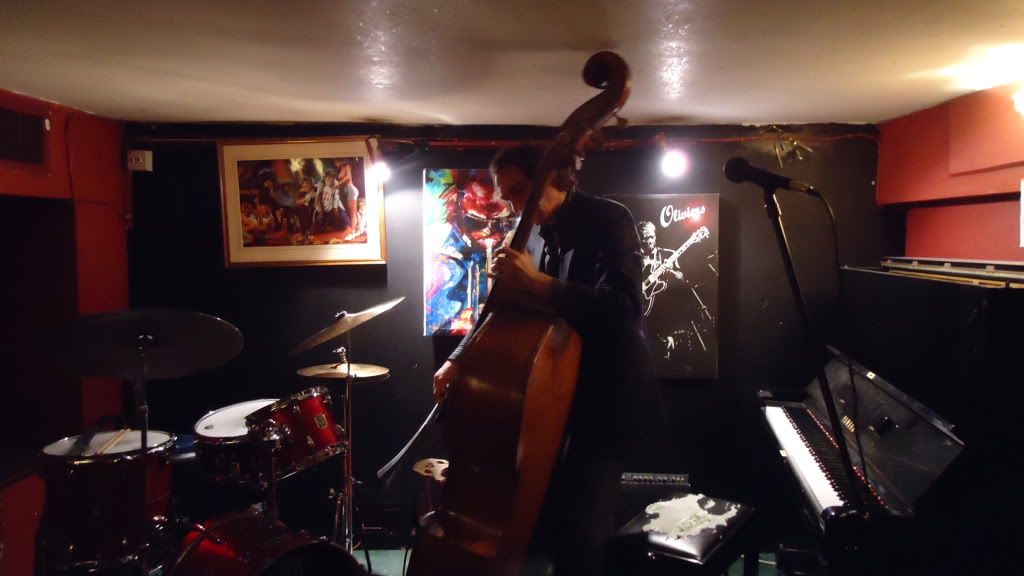
My first encounter with "Dexterritory" was in the cellar of Oliver’s, a tiny and atmospheric music club in Greenwich, London. There, I was introduced to a quartet which was entirely dedicated to performing the music of Dexter Gordon (1923-1990).

The leader and tenor player, a stubborn Irish musician, is Kevin McMahon who plays his hot and cool music on this record. This set is the first documented stop on their long journey to rediscover Dexter Gordon, not only as a giant tenorman, and surely a gentle one, but as a composer. Dexter’s pen, as well as his playing, reflects a powerful swinging and highly rhythmic mind that in spite of its speed and robust attack, remains tender and even divine.

Wednesday, February 8, 2012

Big Band In The Backyard: John Altman in Leytonstone

© John Altman

It was like Lionel Hampton playing in your backyard, when I heard John Altman Big Band is going to play in my neighborhood in Northeast London. I had no idea that how "big" this band is going to be, so when in an icy night of 7th of February I headed for East Side Jazz Club, positioned in the back room of the Lord Roockwood pub, and faced the 18-piece band of Mr Altman in a modest and soulful place, I understood the business is more than serious.

The club was tight and intimate, and packed with people. Remembering what Frank Foster said about Birdland that "If the fellow next to you laugh at you, the people at ringside would know what he's laughing at," and that "every mistake can be heard" sounded true about this joint. John was there before anybody else, checking the charts and chatting to the old friends. Every tune in his book had a number, so now Dr Altman, like a severe math teacher, for instance would read out load "number 37!" and the band would take care of his original from Shall We Dance film or a standard of American songbook.

Standing up at the rear of the room for nearly three hours, I never stopped tapping my foot, swinging my head, and nodding to sidemen who were bursting into beautiful solos. John Altman formed this big band in 1985 and some of the musicians in the bandstand of East Side Jazz Club were the original members of the first line up, and some of them, probably were not born by then. 

John presented a vivid history of big bands from Machito and Basie up to more modern sounds of later big bands, and always charged with the elements of swing. Composers from Cole Porter and Harry Warren to Dizzy Gillespie and Wayne Shorter where in his repertoire, and arrangements for these pieces had something new, some joyous excitement that was trademark of Altman's pen. During two one-hour long sets Altman and his Big Band played more than 12 tunes.

It all started with Basie-esque Count me Out, written by John himself in which Ralph Salmins did some fireworks in the tradition of Sonny Payne.

We had an homage to West Coast jazz, especially Gerry Mulligan and Chet Baker in West Coast Chatter with a nice solo by the young lady in charge of baritone sax, Claire McInerney. The performance was splendidly sublime since eighteen instruments were creating some rich textures, and at the same time they sounded as they are a pianoless quartet!

Though John is always busy with managing and conducting the band - and exemplary successful in such task - but we don't have to forget what a great solos he can execute as I heard in his treatment of Our Love Is Here to Stay.

Mambo Inn, composed by Bobby Woodlen that later became popular by George Shearing in his 1950s quintet recordings was a good excuse for some Latin flavors in the club, and adding a new color to John Altman's pallet of orchestral colors.

From Gigi Gryce catalog, John played Minority, a tune written in 1961 for quintet which ended the first set. How striking the accompanists are - most memorable Tony Fisher on trumpet (who filled the trumpet chair in Frank Sinatra band during the early 1990s) and Bob Sydor on tenor sax.

Nice parts written for John Etheridge's guitar, including one in Dizzy Gillespie's Manteca when his swinging guitar solo was backed by a powerful rhythmic support from miss McInerney.

Lester Left Town, often played by Art Blakey and the Jazz Messengers, turned out to be not only a raising the hat for the one and only, Lester Young, but also for one of the mentors of John, master Benny Carter whose middle name is Lester too! Bob Sydor on tenor saxophone soloed skillfully on this one.

Joan Viskant, entered the scene to sing a couple of standards and complete the party. She reminded me of a British singer, Annie Ross, though Joan is a Chicagoan.

The gig was finished ten minuted past eleven, in a nastily cold winter night of Leytonstone area, and I had never heard a band in London, whoop in the last ride-out as this one. John Altman supplied a kind of  precise excitement that is very rare in today's live jazz scene. Every solo was written with immediate vitality and  his all-star band were articulate in giving the utmost pleasure to ears.

It was an auspicious evening, since it was coincided with the 200th anniversary of Charles Dickens who was doing almost the same thing: make your mind move and swing with the power of the pen!

Walking back home on the frozen and icy sidewalks is another story, but if John Altman's playing, it worth every slip and stumble!

Sunday, November 27, 2011

Roy Haynes Talks and Dances!


I was always looking for a jazz event like this. An event that gives me the feeling of observing an overflowing volcano of creativity and force, standings on the crater and watching the fire and ash clouds coming out. Seeing history been made, and in the meantime feeling good and relaxed. I couldn't imagine that one day the drummer of Charlie Parker with Strings (in live recordings from 1950 with Mr. Al Haig on piano) will gratify this wish of mine. I couldn't dream of seeing an 85 year-old man who has played with Lester Young or Thelonious Monk, in 2011, and the very same person in the very same date shows me that fire and explosion, that fun and charisma in jazz which is extremely rare now. Yes, Roy Haynes was in town for the London Jazz Festival, and he performed one the most magical sets in the two weeks of unstoppable concerts and events. What an auspicious night! His gig was about music, history, comedy, improvised jazz and improvised gags, and a lesson in how keep the pulse of every single audience in the Queen Elizabeth Hall.

Before the 7:30 PM gig with Fountain of Youth Band (Jaleel Shaw on alto sax, Martin Bejerano on piano and  David Wong on bass), he appeared on stage for a short interview with BBC3. I used my mobile camera to film a part of the conversation. The camera is far from stage. I've used maximum zoom and a big head in front of me blocks the view. These issues have resulted a poor quality in this video, though it is still listenable and watchable, especially if you want to see the man tap-dancing at 85!

same band, one year earlier

Friday, November 18, 2011

Getz/Burton/Swallow/Haynes Revisited

"We are very happy to be in this wonderful London town [audience laughs]...what are you laughing at, I mean it! Especially after being all over the world and trying to speak languages you don't speak, it's good to speak my American English."  -- Stan Getz

Isn't it marvelous that after 50 years two of the gentlemen in this video from 1965 (or 1966) are playing in London again within a week. This is an episode from Jazz Goes to College TV programme, a phrase probably coined by Dave Brubeck as an attempt to take jazz to smaller, more intellectual, or more "hip" venues. (another jazzy coincidence: Brubeck family played at Ronnie Scott's last week and I managed to have a chat about Iran and middle east with wonderful Darius Brubeck!) In this show recorded at London School of Economics (it's good for students to learn how play economical!), master of tenor sax, Stan Getz, is playing with his quartet consisted of Gary Burton, vibes, Steve Swallow, bass, and Roy Haynes on drums. The rhythm section, Swallow and Haynes are now swinging in London again, though in a slightly different direction.


Last Sunday at Queen Elizabeth Hall, Swallow and his quintet played new original tunes by Swallow. It was an amazing evening. He had a story, a text. And he had textures and colors to illustrate his story in sound. Most of the gigs that I've attended in last 10 days had good numbers, beautiful solos, unforgettable passages, but as an overall act, as a gig -like a film played in a cinema from beginning to end - they lacked that inner line of storytelling, that basic concept that puts the whole thing together and gives the performance a sense of unity. Swallow and his amazingly melodic electric bass guitar did this. He created a cheerful drama

For instance, he played three originals which drove from his passion for detective novels. "I don't read a book in which nobody gets killed in the first chapter," Swallow said. The light noir mood of these tunes were something that one has to add to the growing influence of noir heritage in popular culture and other forms of art.

Carla Bley, Swallow's life-long partner on keyboard, was as stylish as ever. Providing dark and somehow humorous plates of warm colors with her Hammond B3, she reminded me of Ida Lupino, a film noir femme fatale, playing piano in Roadhouse (1948) and putting her cigarettes on the instrument, an iconic image of noir world. Significantly she wrote the piece Ida Lupino and we can hear it in his then-husband Paul Bley's records , as well as her owns.

To see and hear how Swallow can knock out the audience by what he plays on his bass, this could be a good description: sometimes, especially in duos, he was playing the lead melody and Steve Cardenas, the guitar player, was his rhythm section. The best kind of jazz I know is when rhythm section comes to foreground and show the power of beats, rhythms, stops amd whatever make jazz music so vibrant and moving, and then slowly and modestly goes back to the background and allows the front line to take off again.

Let's not forget Chris Cheek who was playing mellow and humming tenor sax in a very laid back mood which reminds us of Stan Getz in one of his after-hour moods.

I'm looking forward to see Mr Haynes this evening, while invite you all to watch this excellent concert of Stan Getz Quartet with Burton, Swallow and Haynes.

Sunday, October 2, 2011

Musicians on Musicians#2: Kevin McMahon and 5 tenor


I met Kevin McMahon, an Irish tenor saxophonist, last winter. His is capable of executing beautiful, and slow-talking phrases on his instrument. He can do mournful treatments of ballads, and at the same time he can be aggressive, when playing bop standards is concerned. He is developing a huge and edgy sound and love to play with chord sequences that can move listeners, instantly. No need to say, he was heavily influenced by his idol, Mr Dexter Gordon, and he was calling his project of playing Dexter's composition with his quartet, "Dexterritory".

His quartet was consists of Shura Greenberg, an inspiring bass player, Steve Ashworth, a pianist who loves Cedar Walton, and Matt Fishwick on drums (though drummer's chair has been owned by a number of other musicians since then). In a tiny band stand of Oliver's at Greenwich London these cats had their own way of saying thank you to Dexter Gordon. They showed a good taste in returning to Dexter Gordon's Blue Note years and finding some of the best tunes ever written in the idiom of hardbop and rearranging them for a contemporary quartet. The list includes pieces like Hanky Panky, Ernie's Tune, Society Red, Second Balcony Jump and Cheese Cake, and the focus was on solid, bluesy, marching beat of this tunes.

Recently I asked him about the tenormen who have inspired him. Of course, top of the list belongs to Dex, and after that come these names:

Dexter Gordon: I bought the Ballads album when I was twenty-two and listening one afternoon I recall saying to myself this is why I want to play saxophone, funny that its nearly twenty years later that my band "Dexterritory" are working on presenting some of his Music. His Importance is gigantic, a tenor bridge between the swing and bob players of his generation. His contribution to hard swinging Bop unsurpassed, not to mention his coolness and manner, a sophisticated Giant indeed.
I'm a fool to want you

Stan Getz: Serenity was the first album I really checked out and I still get mileage from it, actually was just listening I Remember You from the live album. As Coltrane remarked "we'd all sound like Stan if we could". His sound and lyrical quality are simply outstanding. Stan is old Blue Eyes for me on Tenor. 
 
Sunday

Joe Henderson: I was lucky enough to meet Joe twice both briefly, he was a gentleman. His playing like all of the greats was stamped with a instantly recognizable sound...and what a sound. I do prefer the later recordings particularly the records he made playing the music of Jobim and Miles. Go Joe....
Recorda Me

John Coltrane: Could not be omitted from my top Five. My favourite albums are Lush Life and the record he made with baritone Johnny Hartman. Trane was the endless searcher for truth and an inspiration to any man.
Giant Steps

Richie Buckley: Richie is  from a big musical family in Dublin, be sure to check him out if your over there. He is an amazing saxophone player and has been a factor in my wanting to play. Has all the qualities of a master musician. He made a record a few years back called Your Love Is Here

Saturday, September 24, 2011

Bitches Brew Meets the Experimental Cinema

Tomorrow my collage of the experimental cinema will be screened at Joiners Arms, as Shura Greenberg Sextet is playing materials from Miles Davis' late 1960s period. Two one-hour films are a celebration of the works by Oskar Fischinger, Joseph Cornell, Joris Ivens, Hollis Frampton, Henri Chomette, Walter Ruttmann, D.A. Pennebaker, Pierre Hébert, Bert Haanstra, László Moholy-Nagy, Margaret Tait, and Sally Potter.

The Electric Miles Project features fresh takes on the music of Miles Davis circa 1969-72. Using the material for inspiration and improvisation this quintet (fea. the trumpet of Steve Sincock, alto sax of Chris Williams, Fender Rhodes of Gareth Wilkins and the bass/drum team of Shura Greenberg and Craig Tamlin) will take you on a musical journey into this electric voodoo world.

Sunday 25th September 9pm-11.30pm
The Joiners Arms, 116-118 Hackney Road, E2 7QL.
Tel: 07976892541 (for venue information).
Free entry. Licensed bar.


Friday, September 9, 2011

Musicians on Musicians#1: Shura Greenberg and his 5 bassists

Greenberg at Oliver's, Greenwich, London. May 2011.


Shura Greenberg is a freelance musican from London. He rides an old horse (a Volvo from 1980s), spacous enough to carry his acoustic bass around the metropolis. When you're a bassist, and you're gigging in Richmond, and next day you have to be in the northeast of town, you need a good horse like that.

Shura is capable of traveling around, participating in various groups (trios to bigger formats and jam sessions), and also leading and directing some of these sessions. I had the privilege of accompanying him in some of his gigs, among them, his arrangements of Bitches Brew materials for a sextet (performed monthly in a crazy club in Hackney), and also a project named Dexterritory, apparently a tribute to Dexter Gordon by playing tenorman's compositions with a quartet at Greenwich.

He is a graduate of Guildhall School Of Music in London, and as a result of academic background and his own passion, he has spent some time on studying classical music and the techniques of composing. His principal bass teachers have been LSO co-principle Colin Paris and freelance classical bassist Beverley Jones (both of whom taught him bow technique). In jazz Shura has benefited from studying with Steve Watts and the late Jeff Clyne (both highly considered on the London jazz scene). He also spent some significant time and circumstance with the American bassist Curtis Lundy (widely recorded U.S bass player and band leader). And yet Shura is in many respects a self-taught musician especially in regards to jazz. His interests in music range from the cantatas of J. S. Bach to the serial works of Arnold Schoenberg. In jazz Shura is just as likely to be listening to the recorded music of Albert Ayler as he is to Thelonious Monk, Miles Davis or Duke Ellington. The emotionality of music is ultimately what interests and inspires him. And that elusive quality we call 'SWING'.

I asked him about his five favorite bassists...

"This list is highly personal and only reflects the way I feel today. Tomorrow I might come up with a totally different list! This is important because it stresses the way in which our tastes and influences change. The many great bassists I have omitted are endless: Charles Mingus, Percy Heath, Wilbur Ware, Buster Williams, Scott La Faro, Gary Peacock, Charlie Haden, Dave Holland. The list just goes on and on.... Perhaps in way of explanation I could say that these listed bassists cover the art of playing within the rhythm section as much as they do soloing. Not to say that the bass solo is without merit. But principally the bass is a functional, supportive instrument and operates in tandem with the drums to propel the music rhythmically and harmonically forward. In this respect these 5 bass players, in their different ways, are acknowledged masters of their instrument"

Paul Chambers. An immense player from his work as a teenager with Miles Davis in the mid-50's through to his death in 1969. His sense of swing phrasing at all tempos is unsurpassible. In fact he so clearly, in my opinion, defined bop bass playing through this era that every subsequent bop bass player is indebted to him to some degree or other. His solo work with the bow was also significant and showed great facility. Some have commented that Paul spent more time working on his solo concepts than he did the art of accompaniment. To some degree this is true. He was a monster soloist who could go on chorus after chorus. But his playing within the rhythm section is not to be underestimated. His work alongside drummer Philly Joe Jones as example is one of the highlights of late 50's jazz. To sum him up: He was a great team player who could also solo alongside the likes of Miles Davis and John Coltrane with distinction. His playing had enormous warmth and swang like crazy!
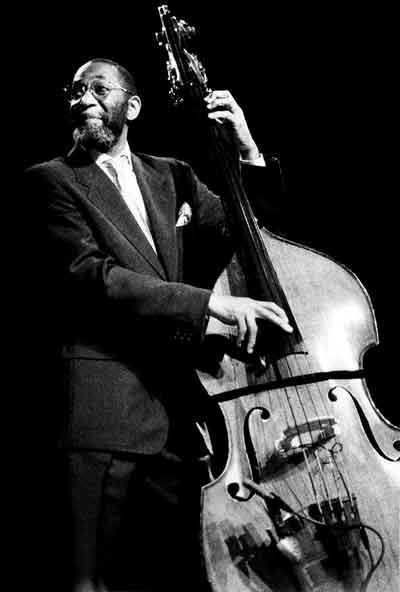

Ron Carter. This was the player who replaced Paul Chambers in the Miles Davis group. At his best in the 1960's Davis Quintet his work displayed an astonshing control of pure sound on the bass (this length of tone is pretty much his signature sound). Add to this his ability to manipulate rhythmic time and superimpose harmonic variations within a piece of music and you get what I'd call a 'Scientist of the bass'. His work circa '63-69 is an encyclopedia of bass techniques within a small group. Ron had an almost atomic and molecular understanding of the nature of bass sound. In this respect he is unparalled. A player less well known for his solo work. His great legacy is his playing within the rhythm section. In this respect his playing displays the function of the bass in its traditional sense i.e being in a supportive role. In this area he is quite superb and highly influential.
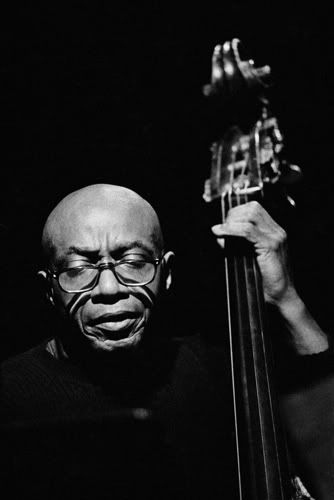

Reggie Workman. This bassist brings a emotionally consistent quality to all the work he has laid down since coming on the scene in the early 60's with John Coltrane and Art Blakey. Beautifully poised even when the heat really turns up in the music. His playing maintains discipline and yet is highly imaginative at the same time. His strengths range from the avant garde to the mainstream. And yet in all styles and situations he is unmistakeably himself. There is a certain dark richness to his tone which distinguishes him from, say, Ron Carter (whose tone is lighter and more airbound). With Reggie the element I hear most strongly is 'Earth'. Also has developed a highly original concept of tone on the bass (his use of vibrato and portamento on the bass is very distinct). His ability and love of more adventurous musical playing (avant garde) has also developed the imaginative side of his playing to great effect. Even in more straightahead situations he still retains a freedom of expression with respect to rhythmic daring and melodic invention. Altogether a  highly developed musician. And deeply expressive.
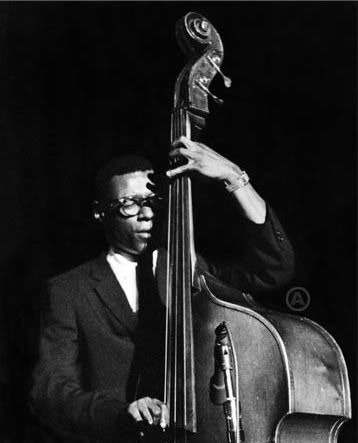

Larry Gales. I have a particular appreciation of bass players who enjoy expressing themselves within the rhythm section rather than as front line soloists. Well, this guy could do both but its principally his hard-swinging within the Thelonious Monk group for several years that really gets my attention. The principal job of the jazz bassist in mainstream jazz is to produce a walking bass line that underpins the top line or solo. Larry Gales could do this song after song, night after night, year after year with the Monk group. And at all times swinging the band into orbit! Someone once calculated that a certain bassist played several hundred unadorned crotchets while playing with Monk. Well they could have been talking bout Larry. This commitment to straightforward no nonsense hard swinging is a hallmark of his work. But in fact its this very simplicity that often makes it go un-noticed and less considered. There's nothing flashy here. Just swing plain and simple, but with a buoyancy that lifts the music into another dimension. Well that gets my vote every time! Still if you thought that was all this guy could do just check out some of his solo work with the high priest. You'll hear both lyrical and bop sides to his soloing that are also deeply impressive. Monk had the habit of often totally laying out for large parts of horn solos and generally also for the bass solo. This places a particular requirement for the bassist to really lay it down and be rock-solid. Well Larry Gales was the man for the job.
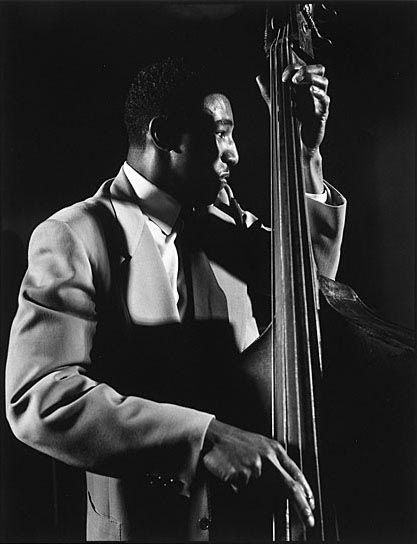

Ray Brown. Really in some ways this gentleman should be at the top of the list. If out of respect for his pre-eminence amongst jazz bassists if nothing else. For over half a century his playing defined the totality of mainstream bass playing in jazz. With Ray you get the perfect combination of virtuoisity and supportive play. Listen to any of the classic Oscar Peterson recordings and you'll hear it. Even a simple walking line with Ray gets transformed into a skipping, dancing counterpoint to the solo line. The hallmarks of his work are a sophistication, subtlety and elegance. Ray was a musician equally at home playing at a White House function for royalty as he was playing a small jazz club in NYC. This total command of the language of jazz (and the bass in particular) allowed him to continue to play at the highest level right up till his passing. Perhaps one aspect I would highlight of his work would be his ability to play the blues. More than any other bassist mentioned in this list, Ray had that quality of blue sensibility throughout his playing. And its this which links him to the very earliest exponents of the art of jazz. Like all the great masters of the form you truly feel the ancient and the modern in his work. One might rightly call him the father of contemporary jazz bass. Ray, because I feel of his supreme virtuoisity, was more at home in a trio setting where his solo expertise and ability to interplay was more showcased than it would be in a quartet/quintet. All the bassists listed above owed him much in terms of inspiration and direction.
Wednesday, March 9, 2011

Jazz Goes to College

Three notes on Guildhall School's seminar, discussing the relationship between jazz musicians and their audience, and also a performance with Guildhall jazz students featuring Tim Garland.


Jazz in Academia


If there is a passion about jazz, inside you, there is no 52nd street anymore, to go there and blow the horn or hit the keys. There is no enough time to put the 78 rpm on, and imitate the sound for weeks and months to became next Horace Silver. There is not that much live gig opportunities to transform a person from an enthusiast listener, with a horn hidden under his coat and hungry for being invited on stage, to the next Jackie McLean. There is no funeral or wedding job with live jazz, to makes a couple of bucks, and in the meantime, gives the pleasure of being heard for the very first time. That's the time jazz education enters the picture. As Jon Faddis makes it clear, "the scene has changed, and jazz education is a very important part of the jazz scene."

Nat Hentoff discuss the subject of jazz education, extensively, in his last book, At The Jazz Band Ball: Sixty Years On The Jazz Scene, and Guildhall College of music and drama in London tries to find practical ways for what have been told and discussed before to educate the young cats.

Nobody would deny the necessity of jazz education, but its economy has still lot of unbeknown corners. One of the neglected aspects of educating jazz is its benefits for elder musicians who can not work in that pace that makes a living possible. Securing a vital future for this music only fulfills when we pay attention, simultaneously, to its economic and its aesthetics. Education a good and young jazz musician is meaningful, only when there is live gig for him or her, or a radio broadcast and record opportunity for him, otherwise it would be like teaching people to became blacksmiths. But who needs a blacksmith now? "A university should reflect the needs of society. Too many lawyers is a drag, but they always get a gig, but too many tenor players is uncontainable," would say mister Phil Woods about jazz in universities and colleges.


Tim Garland
Tim Garland's Saxopiano Playing

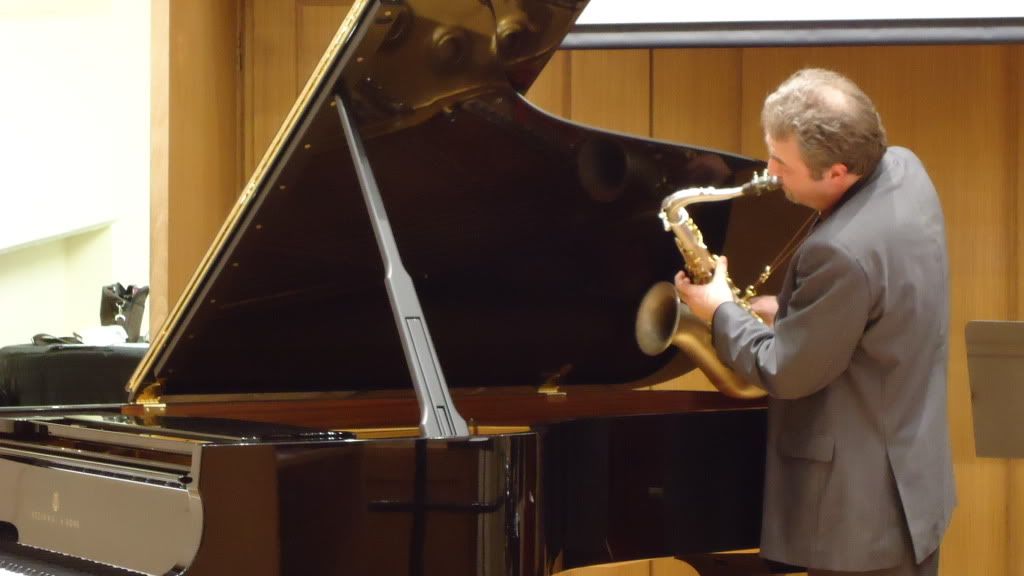
Tim Garland, born in 1966, was a graduate of Guildhall himself. He cut his first album when he was 22, and he is also a product of academic jazz. The highlight of this gig, beside some very well executed post bop materials of his own (which I found them more effective than his treatments of standards like Round Midnight or Body and Soul), was his playing into piano box! Yes, he was blowing his saxophone inside the open box of a Steinway, and he created most moving sounds from there without touching the strings. Strings were producing the magical sound, only by the waves of air that Garland saxophone was making. Very beautiful and unforgettable!


Robert Brockway
We'll Hear More of Him

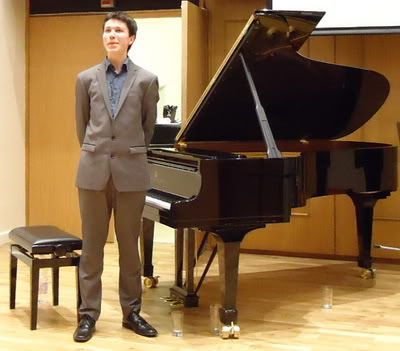
Among the trio that was accompanying Garland in that evening (including Robert Brockway on piano, Andy Robb on double bass, and Joe Sweeney on drums), the great discovery was Brockway, a very young gentleman who plays very interesting solos, with a confidence only seen and heard in men, a generation older than him.


He demonstrates the benefits of that advanced jazz educational programs. He has something to say, though he still needs time and space to find the ways of expressing them. At this point, the best school of music for any young musician is listening to the rich heritage of recorded jazz, on and on. As far as I am concerned, I was born in the wrong place, and in the wrong time, and I hadn't this chance to enter an academic environment to study jazz, but despite the fact of not being a musician myself, most of the time I was lucky enough to be a student of universal jazz school which exists eternally on records. In this case the words of a great teacher, Clark Terry, always rings in my ears:

''Don’t spend it all in one place. It’s just as basic as that: Spread it out. Don’t try to say everything you know how to say in one chorus, you know. Use the space and time is something we were fortunate enough to have learned from Basie, but Duke and Strayhorn, they knew how to put things together. For instance, they would put minor seconds together, and that was something kind of unheard of, as far as jazz was concerned. And they put it together and made notes; it made you learn how to listen and say, “Oh, he’s out of tune . . . oh, no, he’s not!” If you listen closely, you’ll find he’s very much in tune. But they knew how to do that, and they knew how to supply themselves with people who were aware and knew how to do it so it was a marvelous thing. They were both very, very instrumental in the perpetuation of jazz and the colorations of sound and so forth.''