Tuesday, October 26, 2010

Dylan: Witmark Demos 1962-64


Two falls have been passed since the release of Bob Dylan's last Bootleg Series(Volume Eight). Now, bootlegs are back with the 47-track Vol. 9, which will feature studio recordings from 1962-64 known to old bootleggers as the Witmark Demos and Leeds Demos, named after the New York studios where Dylan recorded. Dylan will also reissue his first eight albums (from his 1962 self-titled debut through 1967's John Wesley Harding) in mono format, which have never been issued on CD before. The reissues — reportedly mastered using "first issue copies of the mono LPs" in order to recreate the sound of the original LPs.

The Witmark Demos features 47 Bob Dylan songs recorded by the artist accompanied only by his acoustic guitar, harmonica and occasionally piano on 2 CD or 4 LP 180-gram vinyl. All of these songs were written—and their subsequent demos recorded—before Bob Dylan turned 24 years old. 

Among the many gems are 15 Bob Dylan songs that were recorded by the artist only for these sessions, and which have never been officially released to the public until now. These include the plaintive Ballad For A Friend, the civil rights era-inspired Long Ago, Far Away and The Death Of Emmett Till, and the poignant Guess I'm Doing Fine.

For those who have been busy with hunting Dylan's real bootlegs, many of materials in these CDs are familiar, but certainly not with this clean sound and perfect quality.


Leeds Music Demos/New York City, New York /February 1962

1. Hard Times In New York Town
2. Poor Boy Blues
3. Ballad For A Friend
4. Rambling, Gambling Willie
5. Man On The Street
6. Talking Bear Mountain Picnic Massacre Blues
7. Standing On The Highway

Witmark & Sons Demos/ New York City, New York /December 1962

1. A Hard Rain's A-Gonna Fall
2. Tomorrow Is A Long Time
3.The Death Of Emmett Till
4.Let Me Die In My Footsteps
5. Ballad Of Hollis Brown
6.Quit Your Low Down Ways
7.Baby, I'm In The Mood For You

Witmark Studio/ New York City, New York /Winter 1963

1. Bound To Lose, Bound To Win
2. All Over You
3. I'd Hate To Be You On That Dreadful Day
4. Talking John Birch Paranoid Blues

Witmark Studio/ New York City, New York/ March 1963

1. Long Time Gone
2. Masters Of War
3. Farewell
4. Oxford Town
5. Don't Think Twice, It's All Right
6. Walkin' Down The Line

Witmark Studio /New York City, New York/ April 1963

1. I Shall Be Free
2.Bob Dylan's Blues
3.Bob Dylan's Dream
4. Boots Of Spanish Leather

Witmark Studio /New York City, New York/ May 1963

1. Girl From The North Country
2.Seven Curses
3.Hero Blues

Witmark Studio/ New York City, New York /August 1963

1. Whatcha Gonna Do
2. Gypsy Lou
3. Ain't Gonna Grieve
4.John Brown
5.Only A Hobo
6.When The Ship Comes In

Witmark Studio /New York City, New York /October 1963

1. The Times They Are A-Changin'

Witmark Studio /New York City, New York /December 1963

1. Paths Of Victory

Witmark Studio/ New York City, New York /January 1964

1. Guess I'm Doing Fine
2.Baby Let Me Follow You Down (Eric von Schmidt)

Unidentified Recording Studio/ New York City, New York /Mid to late June 1964

1. Mr. Tambourine Man
2.Mama, You Been On My Mind
3. I'll Keep It With Mine


.

Monday, October 25, 2010

Ben Webster: Stomping Love

Nat Hentoff Original Liner Notes: Ben Webster's Soulville,1957


Johnny Griffin, one of the more venturesome of the "modern" tenors, was talking recently with Don Gold of Down Beat concerning those nonpareil jazz players who never become dated. On his list were Coleman Hawkins and Ben Webster. “Ben is phenomenal. These guys can come and play with the young cats and still fit in. These guys — like Hawk and Ben - are living legends.”

Tuesday, October 19, 2010

Otchi-Tchor-Ni-Ya


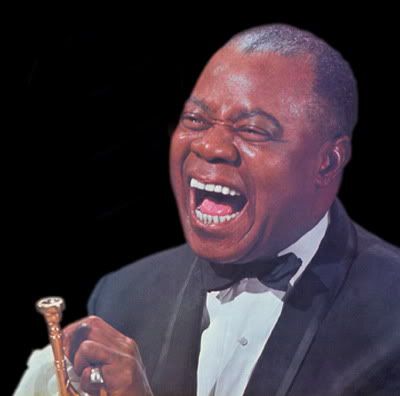
A friend was driving me home, usual for a fellow like me who is afraid to drive himself, in a country that monkey driving is a habit. A CD was playing in his obsessively cleaned Peugeot. It was a ragbag of oldies, most of them boring covers of originally boring songs. Rubbish was playing one after another as a sonic foreground for a gray landscape of a decaying city, where I used to live. Suddenly somewhere between a third rate hippie ballad and an Roy Orbison cover of mini-skirt nostalgia something happened. Something that first froze me for a second, then thrilled me for 5 minutes and finally when I repeated that five minutes for more than 6 times I knew that a key song has been added to my uncalled changes of life: Otchi-Tchor-Ni-Ya by Louis Armstrong!

Wait! Don't say that it's a an ordinary Armstrong CD-filler or a common stuff because of its public domain status to be included in European oldies compilations. Probably even a great Armstrong biographer like James Lincoln Collier felt the same way, since there is no trace of this song in his 400-page book on Satchmo. But despite all these preconceptions and misconceptions about latter days of Armstrong (which myself as a 'purist' had the same problem for a long time), it's an absolute musical miracle, a perfect masterpiece that summarize half of a century of jazz in five and a half minutes.

Otchi-Tchor-Ni-Ya means Dark Eyes. It's a Russian song. The lyrics of the song were written by a Ukrainian poet and writer Yevhen Hrebinka, in 1843. Armstrong's version sounded like "Oh Cha Chunya". and the words are quite different from the proper translation of the song from Russian to English. But words doesn't matter because Satchmo has turned it to a jam song. A chronology of things that would happen to you is as follow:

00:01 Billy Kyle's first piano line can pierce any stone, just with that very first note.

00:07 Armstrong comes in - Gabriel plays the horn!

00:10 Clarinet of Barney Bigard, like a beautiful butterfly chasing after another one (here, Satchmo's trumpet).

00:30 There is a indescribable urgency in this music. Saying all the things, all necessary things, all the things that should be said for the last time.

01:13 Satchmo sings. Words are utterly unimportant. It's just jiving.

01:45 Kyle returns. He sound like father of Bud Powell in a slower tempo. Space! Space!

02:14 Band takes off. New Orleans appears before our eyes. It's a manifestation of humanity.

02:38 Clarinet solo. Unbelievable.

02:55 Bud Freeman from Chicago plays his warm tenor sound on saxophone. So goddamn lyrical!

03:14 A suspending moment with Arvell's Shaw bass before...

03:27 ...before Trummy Young's trombone roars with a freedom unheard in the history of the instrument. His first attack is maddening!

03:44 The Socrates of jazz returns with his endless drama of sound and vision.

04:16 Kenny John takes a solo on his drums. Lifting up - lifting up.

04:48 Swing. Extacy. Joy. Cry. This damn thing will never stop.

05:25 Five seconds of silence begins. It's like 5 minutes.

The song is recorded in New York City, March 19, 1954 by Decca Records. Matrix number is 86062. LP number DL5532. Dig yourself:


Bashir, thanks for driving me home, and thanks for Otchi-Tchor-Ni-Ya.

Friday, October 8, 2010

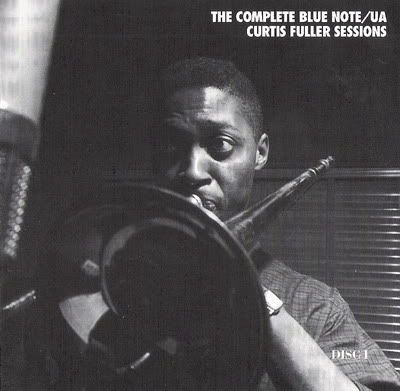
A Fuller Affair: Diggin' Curtis Fuller Trombone


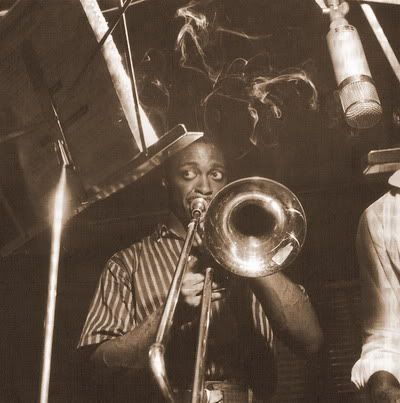
In August 1959 Ralph Gleason wrote to Ira Giltler that how he was impressed by 25-year-old trombonist Curtis Fuller: "Benny Golson was here in San Fransisco and the group was a gas. Fuller had the hardest trombone job in the world. He followed J. J. Johnson (I assume the Johnson quintet had just left SF) but he made it and knocked me out." Only two years before this "knocking-out" Fuller made his mark on one of the most memorable intros in modern jazz, the opening bars of John Coltrane's Blue Train.

Detroit-born Fuller "owes much to Kai Winding's modernization of trombone technique and to J. J. Johnson's demonstration of the instrument's solo potential. However, it was the harmonic language of John Coltrane and Miles Davis that marked him most profoundly," writes Brian Cook about the master of modern trombone.

Sunday, October 3, 2010

History of Jazz: Third Stream

تاريخ موسيقي جاز
بخش هفتم – تِرد استريم

در 1961 گونتر شولر موسيقي Third Stream را موسيقي ناميد كه جايي در ميانۀ موسيقي جاز و موسيقي كلاسيك قرار گرفته است. او بيست بعد از اين تاريخ، در حالي‌كه هنوز تكليف موسيقي‌دانان و مورخان چندان با آن روشن نبود، فهرستي را طرح كرد از چيزهايي كه « Third Streamنيست» در واقع هدف او زدودن تصورات اشتباه از ماهيت اين موسيقي در ذهن شنوندگان بود:
الف – اين موسيقي جاز با سازهاي زهي نيست!
ب – اين موسيقي جازي نيست كه با سازهاي مخصوص موسيقي كلاسيك زده شود!
ج – اين موسيقي كلاسيكي نيست كه جازيست‌ها آن را بنوازند!
د – قضيه اين نيست كه عده‌اي كمي راول و شوئنبرگ قاطي آكوردهاي عجيب بي‌باپ بكنند يا برعكس!
ر – جاز در فرم يك «فوگ» نيست!
***
در طول بيشتر سال‌هاي دهه پنجاه ميلادي معدودي از آهنگسازان موسيقي جاز شروع به آميختن تكنيك‌هاي موسيقي كلاسيك غربي با موسيقي جاز نمودند گر چه در موسيقي «كول» قبلاً اتفاق‌هاي مشابهي افتاده بود كه نمونه آن ‌را در كارهاي دِيو بروبِك، نوازنده پيانو، مي‌توان مشاهده كرد. البته در اوايل قرن آهنگسازان ديگري مانند جورج گرشوين در rhapsody in blue و داروس ميلو در the creation of the word نيز اين تلفيق موسيقي جاز را با موسيقي كلاسيك تجربه كرده بودند.
در دهه‌هاي 1920 و 1930 نيز اصطلاح «جاز سمفونيك» بر سر زبان‌ها افتاد. دوك الينگون در سال 1935 آغاز به تصنيف آثار متعدد خود از جمله reminiscing , diminuendo in blue , crescendo in blue كرد كه همه آثاري اركسترال محسوب مي‌شوند. آهنگساز كلاسيك ايگور استراوينسكي نيز كنسرتوئي به‌نام Ebony concerto براي وودي هرمان نوازنده كلارينت تصنيف كرد. 
به crescendo in blue الينگتون، 1937، گوش كنيد:
نمونه‌هاي ديگري از كاوش‌ها تلفيق موسيقي كلاسيك و جاز را مي‌توان در اواخر دهه 1940 در آلبوم birth of cool مايلز ديويس ملاحظه كرد و هم‌چنين در صفحات كلود تورن‌هيل كه به‌وسيلۀ گيل اونز تنظيم شده بود.
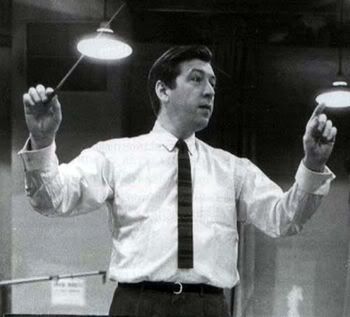
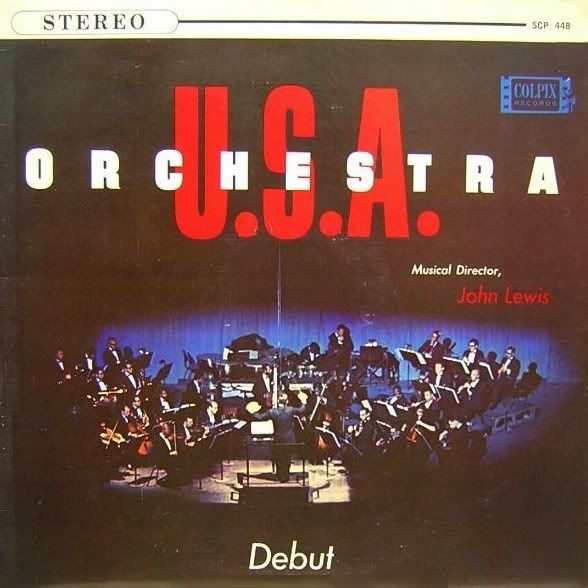
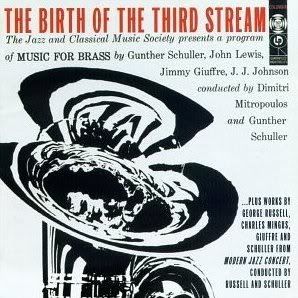
در سال 1955 جان لوييس، پيانيست و آهنگساز بزرگ‌وار گروه «مدرن جز كوارتت»، تشكيلاتي را سازمان دادند كه «انجمن موسيقي جاز و كلاسيك» نام گرفت و آن‌ها توانستند موسيقي‌هائي را به اجرا درآورند كه تا آن‌زمان تقريباً هرگز شنيده نشده بود. آهنگسازان جاز و كلاسيك دور هم گرد آمدند و از هم آموختند و آثاري به اين ترتيب ساخته، اجرا و ضبط شد؛ از هنرمنداني مانند چارلز مينگوس، جورج راسل، جي جي جانسون و گونتر شولر.
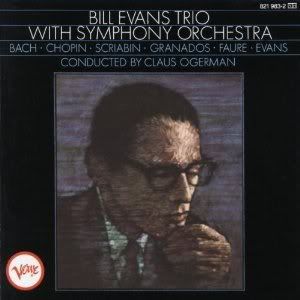
رويكردهاي ديگري به سبك Third Stream به‌وسيله افرادي مانند بيل اونز رخ داد كه اركستر سازهاي زهي و استفاده از آثار كلاسيك باخ، فوره و شوپن را جزو آثار اجرايي‌شان در چارچوب بداهه‌نوازي‌هاي جاز قرار دادند. همين‌طور استن گِتز در صفحه معروف خود به‌نامِFOCUS بداهه نوازي‌هاي خود را با اركستري كه به وسيله ادي ساوتر تنظيم شده بود اجرا كرد.
به قطعه «پن» از آلبوم «فوكوس» استن گتز گوش كنيد:
بعضي «پيوريست‌ها» از اين تلفيق‌ها ناراضي‌اند و معتقند اين كار باعث از دست رفتن جوهره اصلي موسيقي جاز، بداهه‌نوازي، مي‌شود. اما هيچ‌كس نمي‌تواند منكر شود كه مجموعه‌اي درخشان از اين سبك، در صفحه‌هايي از دهه 1950 و اوايل دهه 1960 به يادگار مانده كه هيچ جازدوستي نمي‌تواند خود را از شنيدن آن‌ها محروم كند.

Saturday, September 18, 2010

The Jazz Cover Art meets Film Noir

Charles Mingus in All Night Long

Significantly, the golden age of jazz in the 1940s and 1950s, overlaps the golden age of film noir, both known as (almost) pure American art forms. Though more than a simple synchronicity, they exchanged a lot during those productive years. In many film noirs, there was always a run-down bar in the big city, lost somewhere in the night, with a bunch of "troubled" jazz musicians hanging around after-hours. On the other hand, dozen of phenomenal film scores by giants like Duke Ellington and John Lewis was heard on the movies. But a neglected part of this troubled relationship is the influence of film noir and its black and white photography on jazz cover artworks. Here I present twelve samples of what I consider noirizing the jazz album covers. The titles under the covers come from film noirs.

Friday, September 17, 2010

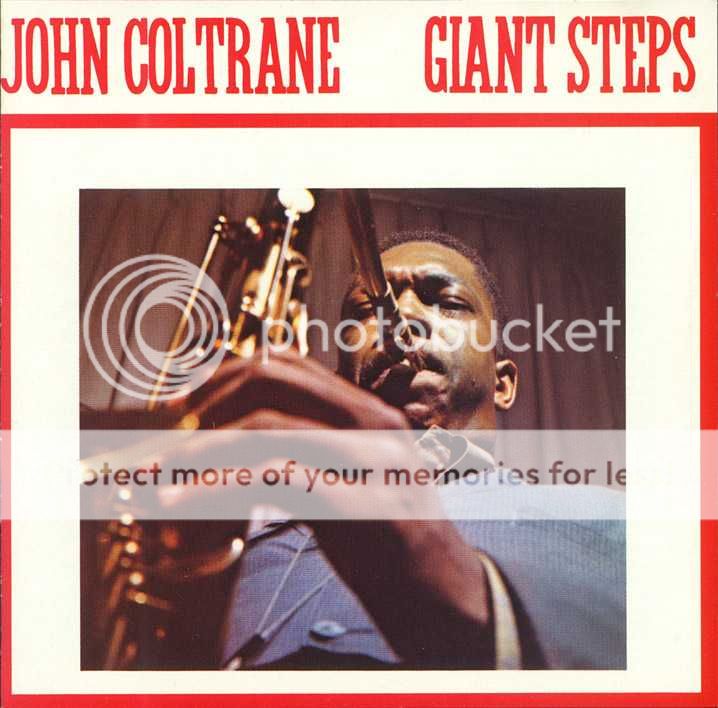
Giant Steps (John Coltrane, 1959)


Nat Hentoff's Original Liner Notes: John Coltrane's Giant Steps, 1959

Along with Sonny Rollins, John Coltrane has become the most influential and controversial tenor saxophonist in modern jazz. He is becoming, in fact, more controversial and possibly more influential than Rollins. While it's true that to musicians especially, Coltrane's fiercely adventurous harmonic imagination is the most absorbing aspect of his developing style, the more basic point is that for many non-musician listeners, Coltrane at his best has an unusually striking emotional impact. There is such intensity in his playing that the string of adjectives employed by French critic Gerard Bremond in a Jazz-Hot article on Coltrane hardly seems at all exaggerated. Bremond called his playing "exuberant, furious, impassioned, thundering."

There is also, however, an extraordinary amount of sensitivity in Coltrane's work. Part of the fury in much of his playing is the fury of the search, the obsession Coltrane has to play all he can hear or would like to hear -- often all at once -- and yet at the same time make his music, as he puts it, "more presentable." He said recently, "I'm worried that sometimes what I'm doing sounds like just academic exercises, and I'm trying more and more to make it sound prettier." It
seems to me he already succeeds often in accomplishing both his aims, as sections of this album demonstrate.

This is the first set composed entirely of Coltrane originals. John has been writing since 1948. He was born in Hamlet, North Carolina, September 23, 1926. His father played several instruments, and interested his son in music. At 15, John learned E-flat alto horn and clarinet, and in high school, he switched to tenor. He studied. in Philadelphia at the Granoff Studios and the Ornstein School of Music, became a professional at 19, and played in a Navy band based in Hawaii from 1945-46. From 1947-49, he worked with Joe Webb (Big Maybelle was in the same entourage), King Kolax, Eddie Vinson and Howard McGhee. Charlie Parker had become a dominant influence on his playing.

He was on alto with the Dizzy Gillespie band in 1949, and after Dizzy disbanded, John returned to Philadelphia, discouraged and trying to find his own way in music. From 1952-53, he was with Earl Bostic, and then played with Johnny Hodges, Jimmy Smith, and Bud Powell.
He first joined Miles Davis from 1955-56. Miles regards Coltrane and Rollins as the two major modern tenors. "I always liked Coltrane." Miles said recently. "When he was with me the first time, people used to tell me to fire him. They said he wasn't playing anything. They also used to tell me to get rid of Philly Joe Jones. l know what I want though. I also .don't understand this talk of Coltrane being difficult to understand. What he does, for example, is to play five notes of a chord and then keep changing it around, trying to see how many different ways it can sound. It's like explaining something five different ways. And that sound of his is connected with what he's doing with the chords at any given time."
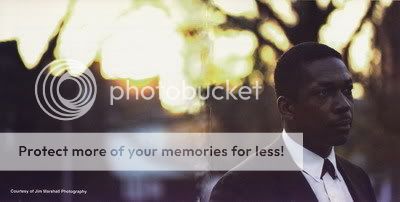

Miles encouraged Coltrane and also stimulated his harmonic thinking. In terms of writing as well, John feels he's learned from Miles to make sure that a song "is in the right tempo to be its most effective. He also made me go further into trying different modes in my writing." After two years with Miles? there was a period in 1957 with Thelonious Monk that Coltrane found unusually challenging. "I always had to be alert with Monk," he once said, "because if you didn't keep aware all the time of what was going on, you'd suddenly feel as if you'd stepped into an empty elevator shaft."

Coltrane worked briefly with a Red Garland quintet, then rejoined Miles, and has been with him ever since. He has nothing of his own in the Davis book at present, but he has devoted more and more of his time to composing. He is mostly self-taught as a writer, and generally starts his work at the piano. "I sit there and run over chord progressions and sequences, and eventually, I usually get a song -- or songs -- out of each little musical problem. After I've worked it out on the piano, I then develop the song further on tenor, trying to extend it harmonically." Coltrane tries to explain what drives him to keep stretching the harmonic possibilities of improvisation by saying, "I feel like I can't hear but so much in the ordinary chords we usually have going in the accompaniment. I just have to have more of a blueprint. It may be that sometimes I've been trying to force all those extra progressions into a structure where they don't fit, but this is all something I have to keep working on. I think too that my rhythmic approach has changed unconsciously during all this, and in time, it too should get as flexible as I'm trying to make my harmonic thinking."

In her analysis of Coltrane's style in the November and December, 1959, issues of The Jazz Review, pianist Zita Carno pointed out that Coltrane's range "is something to marvel at: a full three octaves upward from the lowest note obtainable on the horn (concert A-flat)...There are a good many tenor players who have an extensive range, but what sets Coltrane apart from the rest of them is the equality of strength in all registers, which he has been able to obtain through long, hard practice. His sound is just as clear, full and unforced in the topmost notes as it is down in the bottom." She describes his tone as "a result of the particular combination of mouthpiece and reed he uses plus an extremely tight embouchure" and calls it "an incredibly powerful, resonant and sharply penetrating sound with a spine-chilling quality."

Of the tunes, Coltrane says of Giant Steps that it gets its name from the fact that "the bass line is kind of a loping one. It goes from minor thirds to fourths, kind of a lopsided pattern in contrast to moving strictly in fourths or in half-steps." Tommy Flanagan's relatively spare solo and the way it uses space as part of its structure is an effective contrast to Coltrane 's intensely crowded choruses.

Cousin Mary is named for a cousin of Coltrane who is indeed called Mary. The song is an attempt to describe her. "She's a very earthy, folksy, swinging person. The figure is riff-like and although the changes are not conventional blues progressions, I tried to retain the flavor of the blues."

Countdown's changes are based in large part on Tune Up, but against that, Coltrane uses essentially the same sequence of minor thirds to fourths that characterizes Giant Steps. His solo here, and in the others as well, illustrates Zita Carno's point that Coltrane, for all he's trying to express in any given solo, has a remarkable sense of form.

Syeeda 's Song Flute has a particularly attractive line and is named for Coltrane's 10-year-old daughter. "When I ran across it on the piano," he says, "It reminded me of her because it sounded like a happy, child's song."

The tender Naima -- an Arabic name -- is also the name of John's wife. "The tune is built," Coltrane notes, "on suspended chords over an Eb pedal tone on the outside. On the inside-- the channel -- the chords are suspended over a Bb pedal tone." Here again is demonstrated Coltrane's more than ordinary melodic imagination as a composer and the deeply emotional strength of all his work, writing and playing.


There is a "cry" -- not at all necessarily a despairing one -- in the work of the best of the jazz players. It represents a man's being in thorough contact with his feelings, and being able to let them out, and that "cry" Coltrane certainly has.

Mr. P.C. is Paul Chambers who provides excellent support and thoughtful solos on the record as a whole and whom Coltrane regards as "one of the greatest bass players in jazz. His playing is beyond what I could say about it. The bass is such an important instrument, and has so much to do with how a group and a soloist can best function that I feel very fortunate to have had him on this date and to have been able to work with him in Miles' band so long." Tom Dowd's engineering, incidentally, has caught Paul's sound as well as it's ever been heard on records, and for an insight into the importance of the bass's function, it might be valuable to go through the record once, paying attention primarily to Paul. Also worth noting is the steady, generally discreet drumming of Arthur Taylor and Jimmy Cobb throughout.

What makes Coltrane one of the most interesting jazz players is that he's not apt to ever stop looking for ways to perfect what he's already developed and also to go beyond what he knows he can do. He is thoroughly involved with plunging as far into himself and the expressive possibilities of his horn as he can. As Zita Carno wrote, "the only thing to expect from John Coltrane is the unexpected." I'd qualify that dictum by adding that one quality that can always be expected from Coltrane is intensity. He asks so much of himself that he can thereby bring a great deal to the listener who is also willing to try relatively unexplored territory with him.


-- NAT HENTOFF
co-editor, The Jazz Review, 1960


Nat Hentoff's latest book, At the Jazz Band Ball: Sixty Years on the Jazz Scene, can be found here.
Giant Steps CD is available from Amazon.

Thursday, September 16, 2010

White Big Band Memoirs: Ozzie Nelson


 The son of George Waldemar and Ethel Irene Nelson, Ozzie Nelson was born in Jersey City, New Jersey. His ancestry was Swedish and English. Nelson was raised in Ridgefield Park. He graduated from Ridgefield Park High School, where he played on the American football team. He graduated from Rutgers University, where he also played football despite his slight build. He entered Rutgers School of Law Newark. As a student he made pocket money playing saxophone in a band and coaching football. During the Depression he turned to music as a full-time career.
Ozzie started his entertainment career as a band leader. He formed and led the Ozzie Nelson Band, and had some initial limited success. He made his own 'big break' in 1930. The New York Daily Mirror ran a poll of its readers to determine their favorite band. He knew that news vendors got credit from the newspaper for unsold copies by returning the front page and discarding the rest of the issue. Gathering hundreds of discarded newspapers, the band filled out ballots in their favor. They edged out Paul Whiteman and were pronounced the winners.


From 1930 through the 1940s Nelson's band recorded prolifically—first on Brunswick (1930-1933), then Vocalion (1933-1934), then back to Brunswick (1934-1936), Bluebird (1937-1941), Victor (1941) and finally back to Bluebird (1941-through the 1940s). Nelson's records were consistently popular and in 1934 Nelson enjoyed success with his hit song, "Over Somebody Else's Shoulder" which he introduced. Nelson was their primary vocalist and (from August 1932) featured in duets with his other star vocalist, Harriet Hilliard. Nelson's calm, easy vocal style was popular on records and radio and quite similar to son Rick's voice and Harriet's perky vocals added to the band's popularity.

In 1935, Ozzie Nelson and His Orchestra had a number one hit with "And Then Some", which was number one for one week on the U.S. pop singles chart. Ozzie Nelson composed several songs, including "Wave the Stick Blues", "Subway", "Jersey Jive", "Swingin' on the Golden Gate", and "Central Avenue Shuffle".


In October 1935 he married the band's vocalist Harriet Hilliard. The couple had two children. David, born in 1936, became an actor and director. Eric "Ricky" born in 1940, became an actor and singer, as we remember him in Rio Bravo with John Wayne.

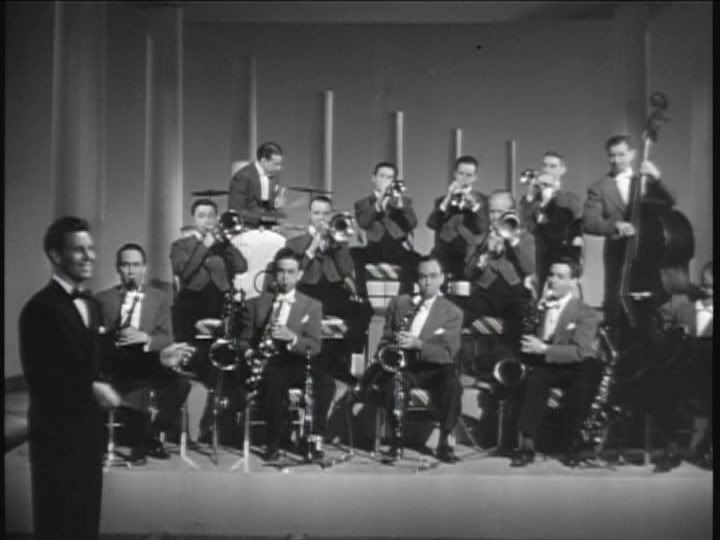
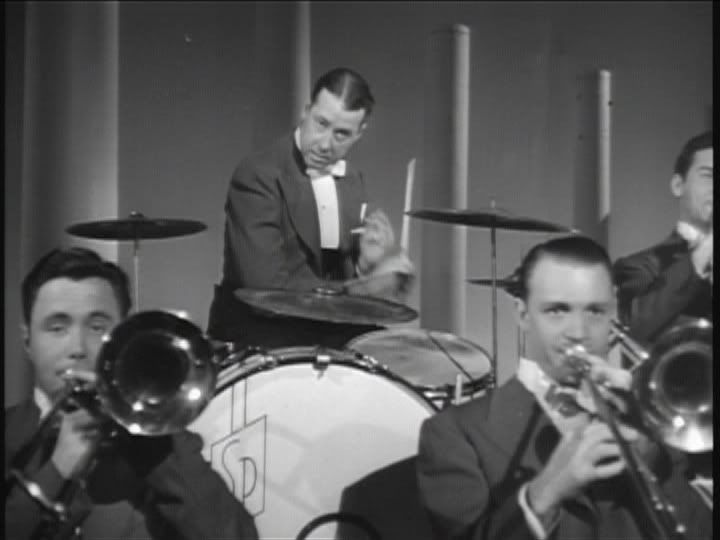
Ozzie Nelson appeared with his band in feature films and short subjects of the 1940s, and often played speaking parts, displaying a tongue-in-cheek sense of humor (as in the 1942 musical Strictly in the Groove). He shrewdly promoted the band by agreeing to appear in Soundies, three-minute musical movies shown in "film jukeboxes" of the 1940s. In 1952, when he and his family were established as radio and TV favorites, they starred in a feature film, Here Come the Nelsons (which actually doubled as a "pilot" for the TV series).


In the 1940s, besides band appearances, he and Harriet had been regulars on Red Skelton's radio show. He developed and produced his own radio series, The Adventures of Ozzie and Harriet. The show went on the air in 1944, with their sons played by actors until 1949, and in 1952 it moved over to television (the radio version continued for another two years).


In 1973, Ozzie Nelson published his autobiography, Ozzie. He suffered from recurring malignant tumors in his later years, died of liver cancer and is interred with his wife and son Ricky in the Forest Lawn - Hollywood Hills Cemetery in Los Angeles, California.


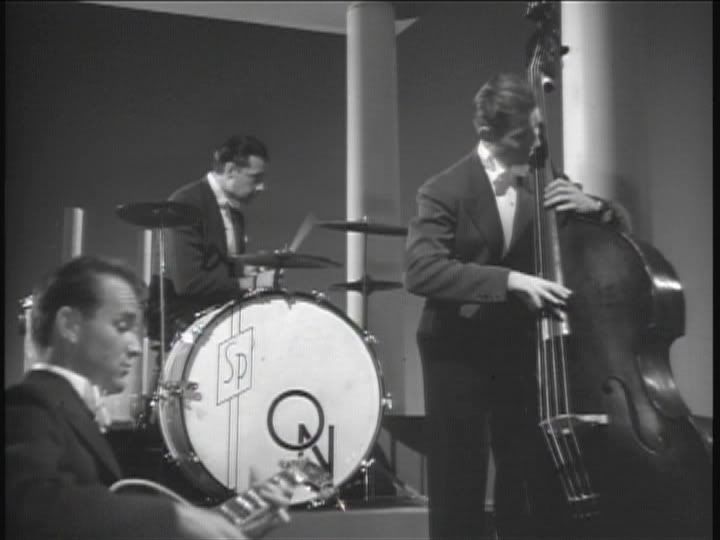
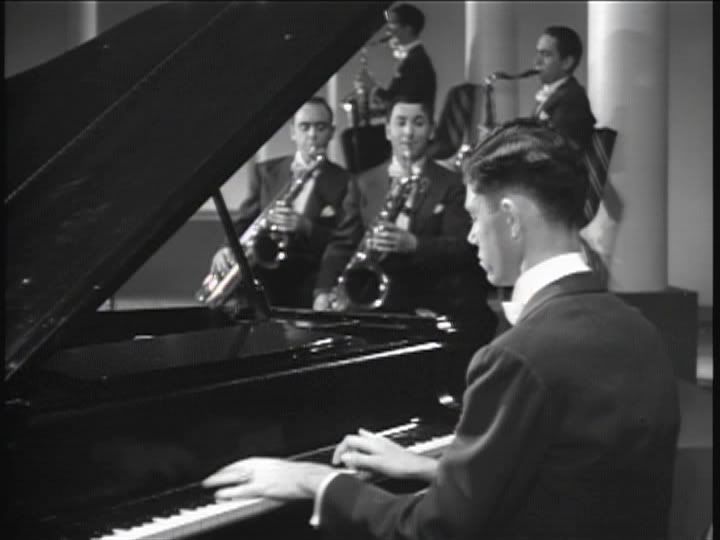
Stills from Jean Negulesco's short film, made in 1943.
Information from Wikipedia.