Friday, July 30, 2010

Eddie Haywood In Dark Corner
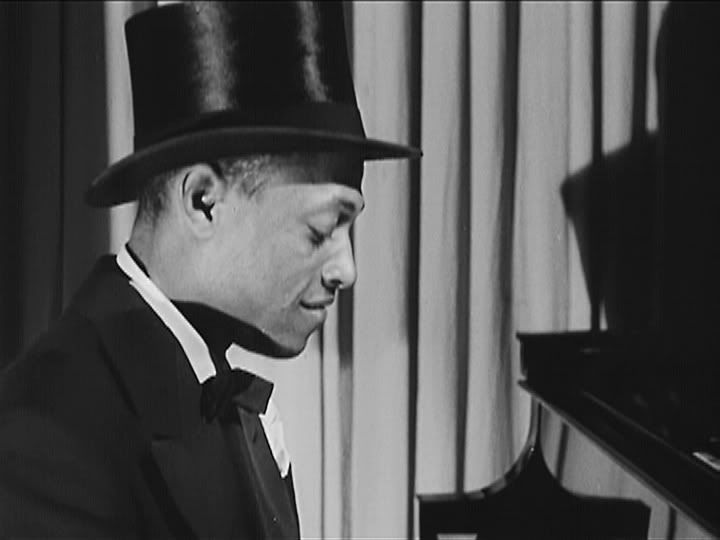
Also in another scene from this film, The Mooche is playing in the radio, when William Bendix is trying to find a hideout in Mark Stevens's apartment.
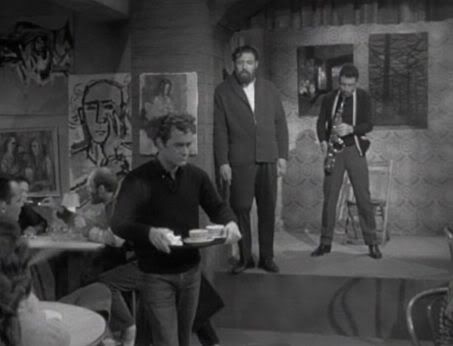
And finally A Bucket Of Blood (1959), Roger Corman's ultra-low-budget, and mini-masterpiece, about creating masterpieces, with a Fred Katz score and an appearance of Paul Horn in the opening sequence. He's playing a beatnik saxophonist in a typical west coast junky-intellectual joint. Music is bad, but what is good about this film is the way Corman shows us that anything bad could be so good in telling us a part - a big part - of the truth.
Wednesday, July 28, 2010
Classics 668: Jelly Roll Morton 1939-40
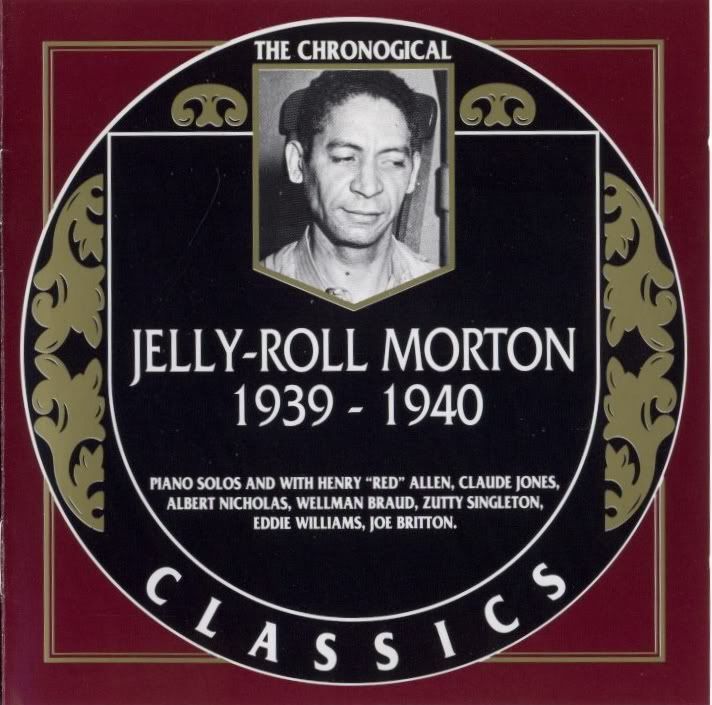
Classics 668
Jelly Roll Morton 1939-1940
Release Date: 1996
Rating: B
Other notable musicians in this CD: Henry "Red" Allen, Albert Nicholas, Zutty Singleton
Label(s): General, Commodore
Number of sessions: 6
Unissued materials: none
Track Highlights: The Crave, Big Lip Blues.
Other issue or reissues: Last Sessions: Complete General Recordings (Commodore CMD 14032)
About the period:
Jelly Roll's health was poor. His pockets empty. His belly loaded with whiskey. He was dyin'.
"Ashes to ashes and dust to dust,
If the women don't get you, the whiskey must!"
The Album:
Jelly Roll's last recordings for General label. "I have a subject of mutual benefit to discuss with you," wrote Jelly to Charles Smith. General Records had asked Jelly for an album of the old New Orleans favorites. "Jelly was extremely ill," writes Mr. Smith, "and we used as many as four waxes on certain sides." The stand-out side, of course, was Mamies Blues, which, everyone agreed, was not "commercial." Nevertheless it has kept the album in print ever since, and has been called the most beautiful of all jazz piano records. When General went on to make some "commercials" with a swing band composed of Henry Allen trumpet, Joe Britten trombone, Albert Nicholas clarinet, Eddie Williams alto sax, Welman Braud bass, Zutie Singleton drams, and Jelly Roll piano, the records died fast.
The set starts with The Crave, one of those melancholic moments of Jelly Roll, a great combination of poetry and piano. Then comes The Naked Dance , a stride/ragtime kind of fast tempo solo on keyboards, executed perfectly by Morton.There is Buddy Bolden's Blues, an homage to trumpet master of New Orleans and we can add it to the small catalog of jazz tributes to Bolden like Hey, Buddy Bolden in Ellington's The Drum is a Woman LP, and also a reinterpretation of Ellington piece by Nina Simone. Again, Jelly Roll's Thought I Heard Buddy Bolden Say and Sidney Buddy Bolden Stomp and Buddy Bolden Story.
After you listened to superb trumpet solo of "Red" Allen on Big Lip Blues, then dig Mamie's Blues. "This is the first blues I ever heard in my life," that's Jelly's own introduction to the tune.
As Spring of 1941 came to Los Angeles, Jerry Roll's death came along and closed and locked the keyboard. He was in the middle of planning his next recording session of New Orleans music, but that was the end.
--Ehsan Khoshbakht
Listen to The Crave, 1939:Details:
Jelly Roll Morton
Solo
New York. December 14, 1939
R-2562 The Crave
R-2563 The Naked Dance
R-2564 Mister Joe
R-2565 King Porter Stomp
R-2566 Winin' Boy Blues
Jelly Roll Morton
Solo
New York. December 16, 1939
R-2570 Buddy Bolden's Blues
R-2571 The Naked Dance
R-2572 Don't You Leave Me Here
R-2573 Mamie's Blues
Jelly Roll Morton
Solo
New York. December 18, 1939
R-2579 Michigan Water Blues
Jelly-Roll Morton's Seven
Jelly-Roll Morton (p,voc)/Henry "Red" Allen(t)/Joe Britton(tb)/Albert Nicholas(cl)/Eddie Williams(altosax)/Wellman Braud(b)/Zuny Singleton(d).
New York, January 4, 1940
R-2582 Sweet Substitute
R-2583 Panama
R-2584 Good Old New York
R-2585 Big Lip Blues
Jelly-Roll Morton Six
Jelly-Roll Morton (p,voc)/Henry "Red" Allen(t)/Albert Nicholas(cl)/Eddie Williams(altosax)/Wellman Braud(b)/Zuny Singleton(d).
New York, January 23, 1940
R-2621 Why?
R-2622 Get me Bucket
R-2623 If I Knew
R-2624 Shake It
The Morton Seven
Jelly-Roll Morton (p,voc)/Henry "Red" Allen(t)/Claude Jones(tb)/Albert Nicholas(cl)/Eddie Williams(altosax)/Wellman Braud(b)/Zuny Singleton(d).
New York, January 30, 1940
R-2632 Dirty, Dirty, Dirty
R-2633 Swinging The Elks
R-2634 Mama's Cot A Baby
R-2635 My Home is in a Southern Town
Total Time: 62 mins. (approximately)
Sunday, July 25, 2010
William Gottlieb's Jazz Photos, Part 6: Ray McKinley
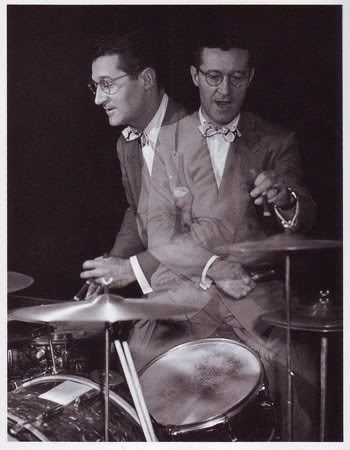
Ray McKinley (1910–95) got his start working with local bands in the Dallas–Fort Worth area, before joining Smith Ballew in 1929, when he met Glenn Miller. The two formed a friendship which lasted from 1929 until Miller's death in 1944. McKinley and Miller joined the Dorsey Brothers in 1934. Miller left for Ray Noble in December 1934, while McKinley remained. The Dorsey Brothers band became Jimmy's after Tommy left and formed his own band in 1935.McKinley remained with Jimmy until 1939, when he joined Will Bradley, becoming co-leader. McKinley and Bradley split in 1942 and McKinley formed his own band, which recorded for Capitol Records. The McKinley band was short-lived. When McKinley broke up the band, he joined Glenn Miller's Army Air Force band, which he co-led with arranger Jerry Gray after Miller's disappearance in December 1944. Upon being discharged at the end of the following year, McKinley formed an excellent, remarkably modern big band that featured a book of original material by legendary arranger Eddie Sauter. But with the business in decline, by 1950 that band was history and McKinley began evolving into a part-time leader and sometime radio and TV personality. In 1956, capitalizing on the popularity of the Glenn Miller Story movie with James Stewart, McKinley was chosen to be the leader of the revived Glenn Miller band, which he led until 1966. He co-hosted (with former Air Force band vocalist Johnny Desmond) a 13-week CBS-TV summer series with the band on CBS-TV in 1961. (from Wikipedia)
Friday, July 23, 2010
Till The Butcher Cut Him Down
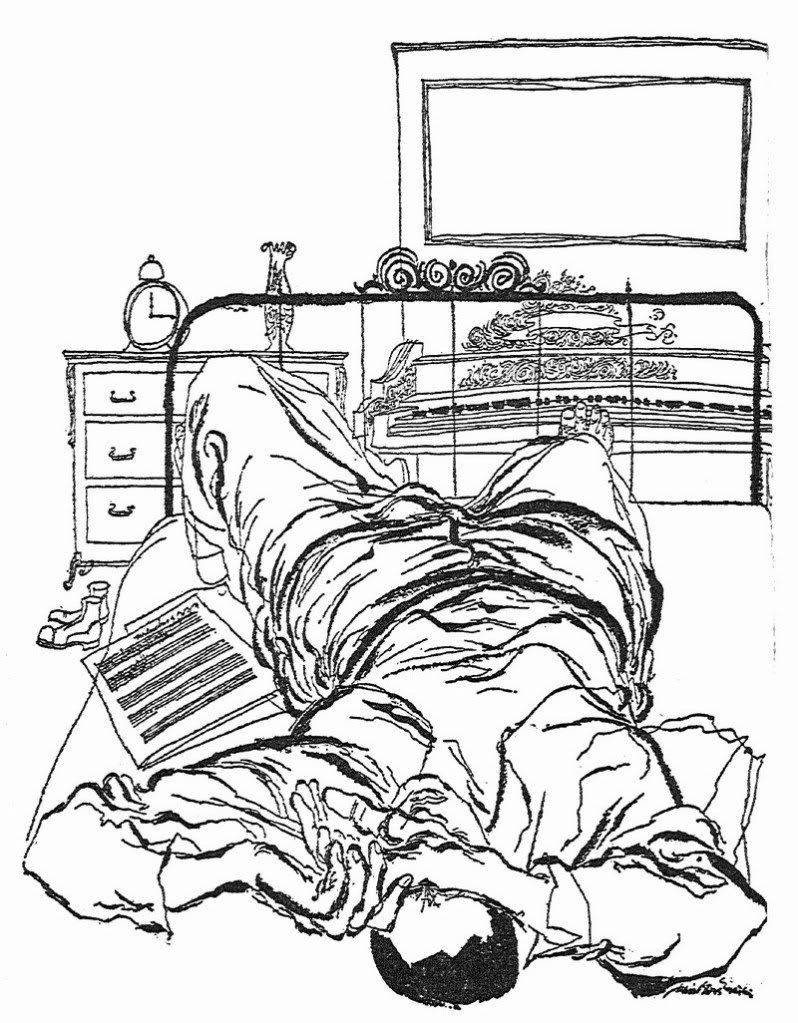
Today's one of those long, melancholic days. I'm listening to Jelly Roll Morton's last recordings and going through Alan Lomax'es notes, while the poet/pianist is singing:
"He rambled.
He rambled,
He rambled till the butcher cut him down, .. ."
DOWNBEAT LOS ANGELES
AUGUST 1, 1941
BURY JELLY ROLL MORTON ON COAST
AUGUST 1, 1941
BURY JELLY ROLL MORTON ON COAST
Los Angeles A solemn, high requiem mass, performed at St. Patrick's Church with the full dignity of the Roman Catholic ritual, followed by burial at Calvary Cemetery was the world's parting gesture to Ferdinand "Jelly Roll" Morton, who died here at Los Angeles hospital July 10 of heart trouble and asthma.
One white man was among the approximately one hundred and fifty people who attended the church service and accompanied the funeral procession to the cemetery - Dave Stuart of the Jazz Man Record Shop.
THE CONSPICUOUSLY ABSENT
Notably absent from the funeral of the man who did so much to bring jazz out of the honkey tonks and dives of New Orleans were two o the most successful black bandleaders of the days Duke Ellington and Jimmie Lunceford. Ellington is appearing at the Mayan Theatre here in a stage revue and Lunceford is at the Casa Manana.
Among those present were the members of what was probably the first black jazz band to make phonograph recordings - pioneers of jazz saying goodbye to one of their valiant gang musicians who played from the heart because they never learned any other way to play.
Reb Spikes, Jelly's old song-writing partner, didn't have a car and almost didn't get to the cemetery. Dave Stuart saw that Reb was about to get left behind and took him out in his car,"Sure appreciated that," said Reb. "Wanted to go as far as I could with Jelly."

Saturday, July 3, 2010
Benny Carter: Doozy!
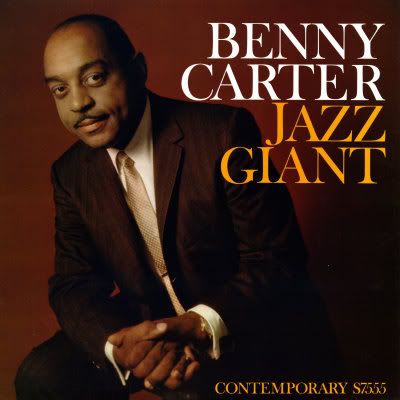
ARP here:
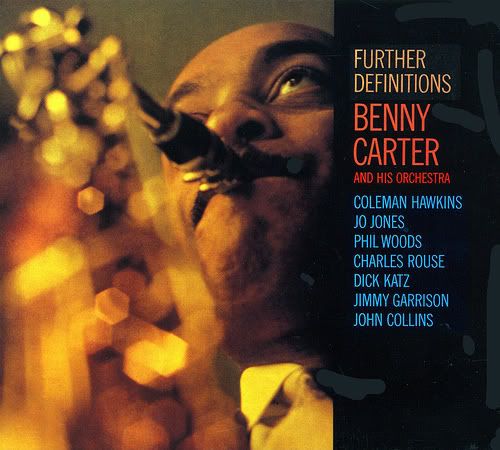
Speaking of Benny Carter, Norman Granz mentioned once that his all-time friend Frog [Ben Webster] gave the nickname to the king. As far as musicianship and composing and arranging is concerned, the king is a real monarch. As far as humanity is concerned I suffice to remind the words of Jimmy Rowles another lifetime pal of Benny: “he is the gentleman par excellence. A perfect friend. A man of all seasons and for all seasons.” I have never heard or read of so much modesty and humbleness by a musician of his caliber. In 1987 in an interview with the artistic director of the “American jazz orchestra”, Gary Giddins, he gave a typical answer to a question that was concerned with his influence in the field of the development of the alto sax:

A: No. I am not. I’ve always felt that was one reason for the failure of my orchestra... I don’t know... if I have made a contribution I would be very happy to know that. No, I don’t know and I’m not being modest, I really don’t know. Contribution to what- to my livelihood?
Q: Were you aware of the fact that you and Hodges seemed to be emerging as the major voices in jazz alto at the same time?
A: no, I didn’t think about it.
Q: Does that evaluation, which is standard jazz history, seem accurate to you in retrospect?
A: well, I don’t know. You see, there were many saxophone players that I heard in those days that I never hear about now, and nobody else hears about, and you wouldn’t know their names if they were mentioned, because they didn’t record and they were not heard by enough people.
So this is the way masters like him respond. When you come to think of it this is the same musician who’s been active as far back as 1929 and with the most fabulous orchestras of all times and has helped to bring along name musicians like Miles, Max Roach, Bud Powell, Monk and God knows how many other respectful cats of the same caliber. A man being respected by masters like Duke, Henderson, Redman, Basie, Hamp, and many alike. Julian Adderley who himself was very much influenced by carter’s style did observe: “Benny Carter could, and can, play as many notes as anyone, but he makes it look so easy.” Charlie Parker said the same thing to that effect. I can’t recall where I read or heard it, but it must have been a recorded documentary that I had on tape.
Tuesday, June 29, 2010
Herman Leonard's Photography: Smoke!
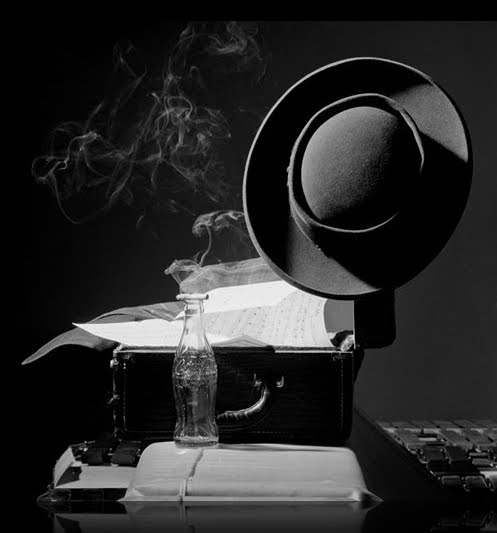 Lester Young's hat by Herman Leonard
In 1948, 25 years-old photographer, Herman Leonard, was spending his evenings at the Royal Roost and then Birdland where he photographed the ongoing roster of jazz musicians such as Dexter Gordon, Charlie Parker, Dizzy Gillespie, Billie Holiday, Duke Ellington, Miles Davis and others. Later he worked for jazz producer Norman Granz, who used his work on album sleeves. Obsessed with smoke, as jazz was a fading cloud of smoke in the air, or notes were spreading like a thick smog, cigarettes were his main motif during the sessions. These photos come from Herman's early days.

 Sonny Stitt, 1953, NYC
 Thelonious Monk, 1948-49, NYC
 James Moody, 1951, NYC
 Charlie Parker and the Metronome All-stars, 1949, NYC
 Erroll Garner, 1953, NYC
 Frank Sinatra, 1958, Monte Carlo
 Sinatra, again.
 Lady Day, 1949, NYC
Billy Eckstine, 1963, Paris
 Dexter Gordon, 1948 , NYC
 Herman Leonard in person. A recent photo.
*
All photos are copyrighted by artist. You may visit his homepage here.
Sunday, June 27, 2010
Dexter Gordon
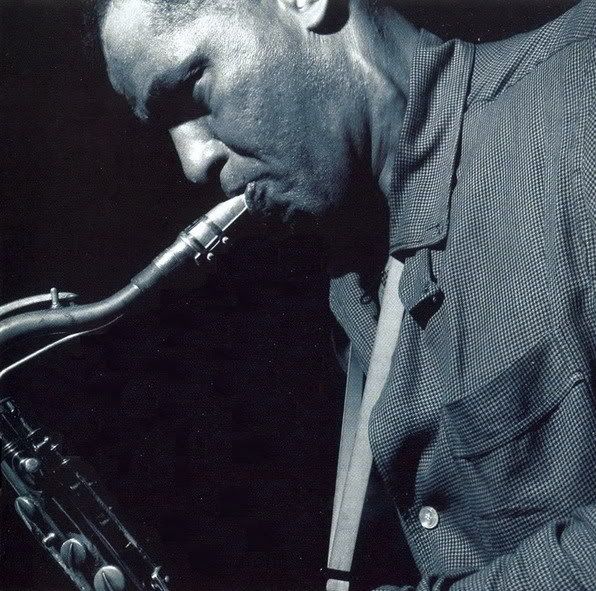

دکستر گوردون
27 فوریه 1923 لس آنجلس – 26 آوریل 1990
یکی از بزرگترین نوازندگان ساکسفون ِ تنور، هم از نظر تواناییاش در دمیدنی قدرتمند و پرشور به ساز (چیزی بین کلمن هاوکینز و لستر یانگ) و هم از نظر قد و ارتفاع (198 سانتي متر!) صدای ساز او پر طنین و نافذتر از بسياري ساکسفونیستهای پس از جنگ بود و تخصصش دراجراي بالادها در تاریخ جاز یگانه باقی مانده است.
در 13 سالگی با کلارینت تمرین میکرد اما کمی بعد به ساکسفون تنور تغییر ساز داد. لوید ریز(Lloyd Reese) که چارلز میگوس و بادی کولت را هم تعلیم داده بود معلم او شد. در اوایل دهه 1940 به لایونل همپتون پیوست و سه سال بعد به عنوان لیدر اولین کارهایش را ضبط کرد. با لویی آرمسترانگ و دیزی گیلسپی کار کرد و در 1944 به ارکستر بیلی اکستاین پیوست. با ضبط The Chase که نمایش قدرت بین دو ساکسفونیست تِنور، دکستر و واردل گری (Wardell Gray)، بود نظر منتقدان را جلب کرد. این ضبطهای اولیه مهم همه برای کمپانی ساووی (Savoy) انجام شدهاند. در دهه 1960 ، پس از سالها، از شر اعتیاد به مواد مخدر خلاص شد و به کمپانی بلونت (Blue Note) پیوست و صفحات زیادی برای آنها ضبط کرد که مشهورترین کارهای گوردون را شامل میشوند.
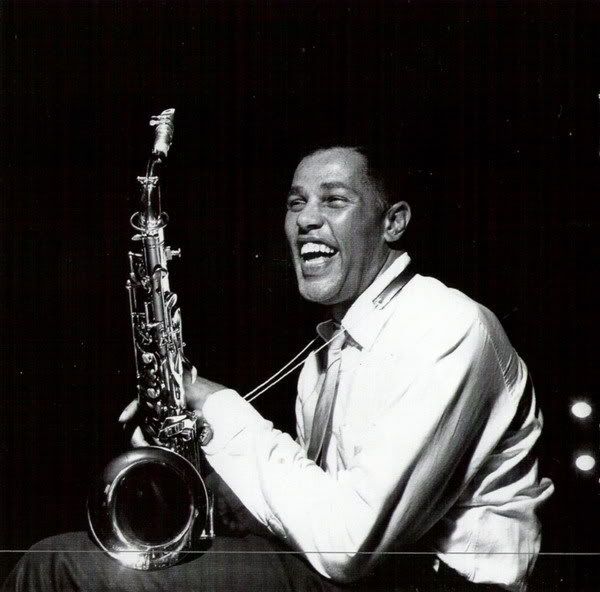
در 1962 به لندن رفت و براي 15 سال در اروپا باقی ماند. بیشتر این دوران را در کپنهاک گذراند، جایی که غالباً در کلوب مونتمارتر ظاهر میشد و با کوارتتی كه پيانيستش کنی درو بود، اجرای برنامه میكرد. در 1976 به آمریکا بازگشت و در خاموشی صدای مهمترین ساکسفونیستهای جاز، از او همچون یک شوالیه استقبال شد. کنسرت بازگشت او در ویلیج ونگارد یکی از پرفروشترین آلبومهای جاز دهه 1970 شد. در 1986 در شاهکار سینمایی برتران تاورنیه، «حوالی نیمه شب» ('Round Midnight) نقش دیل ترنر را بازی کرد که در واقع زندگی غمبار باد پاول در پاریس و دوستی او با یک فرانسوی عاشق جاز است که در سالهای واپسین، او را به خانه خود میآورد. گوردون برای این ایفای نقش استثنایی نامزد جایزه اسکار شد.

سالهای سرنوشت سازی که دکستر در عصر سویینگ و در ارکسترهای بزرگ آن دوران گذراند و همینطور قرار گرفتن در قلب دوران انقلابی باپ او را به نوازندهای با تبحر در هر دو شکل نواختن تبدیل کرد. در واقع بهترین کارهای دکستر استادانه به روی لبهای باریک گام بر میدارند که قلمروی مشترک باپ و سویینگ است. گهگاه در صدایش نوعی پرخاش احساس میشود که با نواختن همواره رو به اوج – که از ریشههای سویینگ او بر میخواست- میتوانست شنوندگان را آزار بدهد اما به نظر من بعضي بهترین لحظات دکستر گوردون به عنوان یک ساکسفونیست درهمین موقع بود. باید به نمونههای بزرگی مانند «شبی در تونس» (a night in Tunisia) رجوع کرد تا قدرت و انرژی بیپایان او را به عنوان یک نوازنده درک کرد.
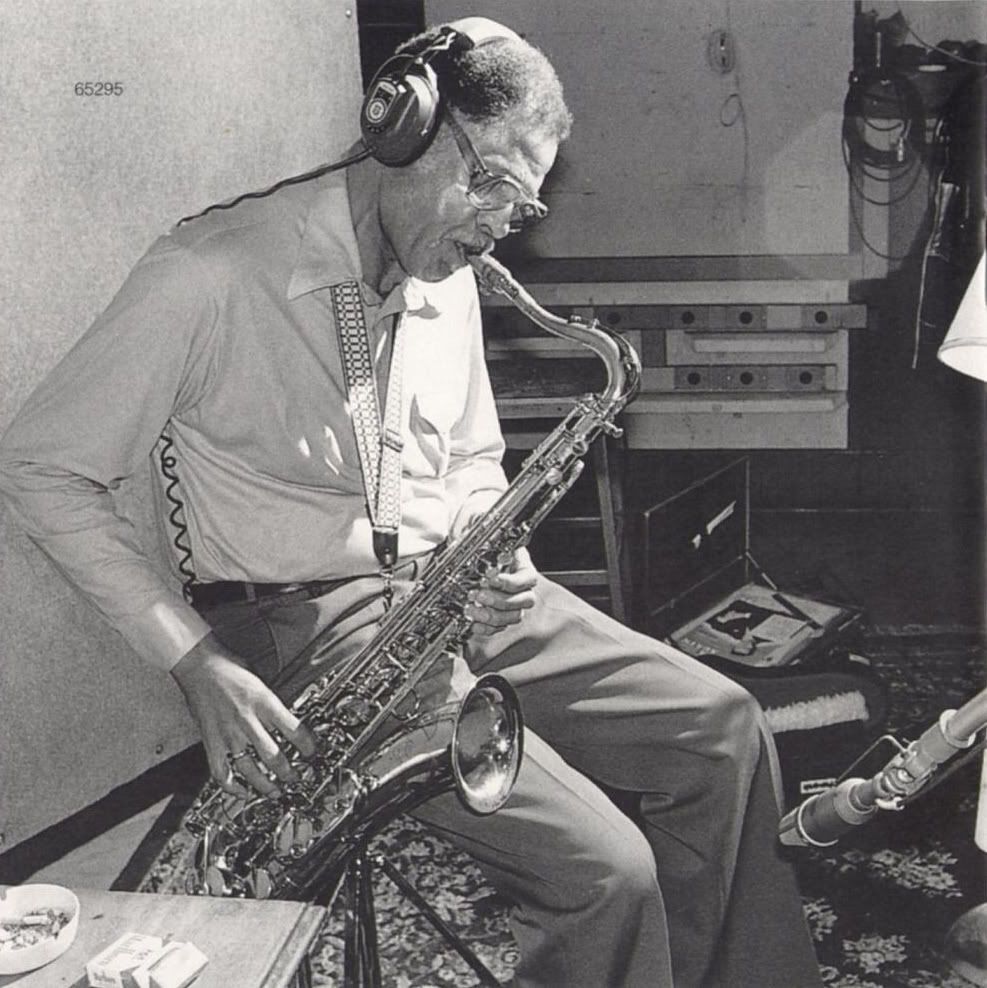
قطعه انتخابي من يكي از بالادهاي دكستر از سال 1961 است. ضبط شده براي بلونت. ترومپت (يكي از زيباترين سولوهاي ترومپتي كه در يك بالاد شنيدهام) فردي هوبارد. پيانو: بري هريس. باس: باب كرنشاو. درامز: بيلي هيگينز. اسم قطعه هست I’m A Fool To Want You و فرانك سيناترا آن را نوشته است.
Friday, June 25, 2010
When Cootie Returned to The Duke

During the spring of 1962, trumpeter Cootie Williams was still working with the Benny Goodman band. “Sometimes Goodman would let you play,” Williams said, “and other times he wouldn’t. He has his ways as everyone knows…. I’d been talking with Harry Carney. ‘Tell Duke…that I’m ready to come back.’”
He rejoined the Duke’s orchestra in September 1962. “He provided a sense of stability in the trumpet section,” Mercer Ellington said. “There had been a lot of changes.”
Here is a hair-raising example of “stability in the trumpet section,” a growling sound, Cootie, the greatest story-teller on trumpet is back to the line. What majesty, what beauty! This is a roaring take of Minnie the Moocher, recorded December, 1962, New York City. With Cootie Williams; Roy Burrows; Cat Anderson; Lawrence Brown; Chuck Connors; Buster Cooper; Johnny Hodges; Jimmy Hamilton; Russell Procope; Paul Gonsalves; Harry Carney; Ernie Shepard; Sam Woodyard. Though it was recorded in 1962, remained in shelf until duke’s passing. Then under supervision of Stanley Dance appeared in Recollection of the big band era LP. The tune is arranged by Eddie Barefield (1909–91), a saxophonist, clarinetist and arranger most noteworthy for his work with Bennie Moten, Fletcher Henderson, Don Redman, Coleman Hawkins, Sammy Price, Bernie Young, and Ben Webster.
This is the first recording of Cootie Williams with Duke, at least, first we can hear – not necessarily in chronological order - since the November of 1940. Oh God! 22 years have been passed!
Wednesday, June 23, 2010
Babe Russin: Hello, Goodbye, Forget It

A new interest, a historical obsession and a sense of discovery, regarding the unsung heroes of jazz has been awakened in me since hearing this Mr. Babe Russin, a prolific tenor sax player with a warm swinging sound, close to what you hear from cats like Flip Phillips.
Irving "Babe" Russin (June 18, 1911 - August 4, 1984) was born in a musical family in Pittsburgh, Pennsylvania. His pianist brother was already playing in Red Nicholas band that Babe began playing professionally with the California Ramblers in 1926, Smith Ballew Orchestra, 1926-27, when he was only 15 years old. Working on and off with Red Nichols, from 1927 to 1933. He toured in Europe in 1928. His relationship with Nichols was interrupted by a run with the Ben Pollock combo. Russin became a staff musician for the CBC network in the '30s, but grew restless for music with some solo space and took an offer to work in the Benny Goodman band. A member of Goodman orchestra in legendary Carnegie Hall concert. Even there is a note of a brief join up with Count Basie Orchestra (any information regarding this Basie affair will be welcomed) Later, he joined the Tommy Dorsey band, then led his own outfit in the early part of the '40s, working out of Florida as well as New York City. His next stop was Glenn Miller's orchestra, where he soloed in the recording the Glenn Miller band made of Jerry Gray's composition, A String of Pearls for Bluebird Records in 1941 - a hit song. With Tommy Dorsey, 1942-43, and with Jimmy Dorsey's band from 1942 to 1944, then played in an armed forces band through the second World War. In the late '40s he patched things up with Goodman.
 Babe Russin (middle), Trummy Young (left), Barney Bigard (right)
He appears briefly in the 1953 movie, The Glenn Miller Story. Plays on the soundtrack to the 1954 A Star is Born. He also appears in the The Benny Goodman Story, a 1956 bio-pic jazz film about his old pal.
As he got older, he preferred the life of a studio musician in California, although reunions of the Goodman band would often include him in the saxophone section. He has one album, under his name, for DOT records label, To Soothe the Savage (1956), which I have no trace of . He was still in business till 70s, when he was touring in the new nostalgic big bands, playing in European jazz festivals. He was highly influenced by Coleman Hawkins but playing in the most famous swing bands of the 20th century redirect his blowing to a more soft, swinging way.

A quick inquiry at my catalog of jazz recordings, revealed that his name is repeated over a period of 30 years, in numerous records, including with these artists:
Miff Mole, 1929.

Red Nichols, late 1920s, early 1930s.
Jack Teagarden, late 1920s, early 1930s.
Bunny Berigan, 1930s.
Lester Young, late 1930s.
Roy Eldridge, 1935-40.
Lionel Hampton, 1930s to 1940s.
Billie Holiday, late 1930s, early 1940s.
Benny Carter, mostly 1940s.
Louis Armstrong, late 1940s, early 1950s.
Jess Stacy, 1954.
His fruitful singers period in the late 1940s and all of the 1950s with:
Frank Sinatra
Sarah Vaughan
Dinah Washington
Ella Fitzgerlad
Mel Tormé
And now, let's hear him from a V-Disc recording (though it's after war) by Jimmy Mundy, waxed in late March 1946 in Los Angeles, called Hello, Goodbye, Forget It. First sax solo belongs to Babe. Other musicians are:
Trumpet section - Clyde Hurley, Ray Linn, Walter Williams, McClure Morris.
A superb trombone section - Juan Tizol, Britt Woodman, Henry Cocker, Vemon Brown.
Alto sax - Willie Smith, Les Robinson.
Baritone Sax - Dick Clark.
Piano - Milt Raskin
Guitar - Irving Ashby
Bass - Art Shapiro
Drums - Ray Hagen
Subscribe to:
Comments (Atom)