Thursday, April 15, 2010

Jack Kerouac and Jazz


Jack Kerouac loved the people, the things of life, the rivers, his mother, and, he also loved jazz. He loved jazz with such intensity that most of us can’t even imagine. He tried to create what we say a jazz writing style, a bop writing style that is evident in his very fine poetry book, Mexico City Blues (1959).

Here, in July, 1982, Sam Charters (born 1929) a novelist, blues and jazz historian, poet and the writer of Studies in Underground Poetry Since 1945, published in 1971 - and a groundbreaking work in the study of the Beats - remembers Jack Kerouac and his passion for jazz, while examining the influence of this music and certain jazz musician on his writings.

According to Allen Ginsberg in an interview originally published in Composed on the Tongue (1980), Jack Kerouac “learned his line” listening to early bebop. He was a regular visitor at Minton’s club, the house of bebop and modern jazz. And it was Lester Young who gave Jack Kerouac his first Marijuana! Dizzy Gillespie’s improvisational style and innovative harmonies had a profound influence on him. Charlie Parker, a rhythmically complex, improvisational idiom influenced Kerouac’s spontaneous approach to prose writing. Jack Kerouac honors Charlie Parker in the final three choruses of Mexico City Blues, praising Parker’s musical genius, recognizing his human position, and appealing to Parker for prayer on behalf of Kerouac. Thelonious Monk undoubtedly had his most profound influence on Kerouac, who emulated the rhythmic and harmonic intricacies of bebop in his spontaneous prosody. Kerouac even organized a collaborative jazz-poetry performance on East 10th Street in Manhattan in early October 1957, and called it “First Poetry-Jazz Concert.” Originally the performance was intended for the Museum of Modern Art.

This audio file includes personal comments and observations from Charters, poetry reading and reading passages from Kerouac books, plus playing some hot jazz and Kerouac’s own voice re-telling his history of Bebop. 84 minutes.

*Sound drops at 00:50:00 for a couple of seconds.
**Thanks to very generous David, from Isfahan, for sending the link.

Listen to On the road: The Jack Kerouac conference, Sam Charters lecture, Jack and jazz, July, 1982.


Wednesday, April 14, 2010

Neil Young's Trunk Show


فيلم تازه جاناتان دمي بازهم درباره نيل يانگ است. پس از Complex Sessions (شاهكاري سي دقيقه‌اي كه در استوديو فيلم‌برداري شده و حدود بيست دقيقه آن اجرايي از change your mind بود) و Heart of Gold ، كه يكي از موفق‌ترين فيلم‌هاي اخير دمي و يكي از بهترين فيلم-كنسرت‌هاي تاريخ سينما محسوب مي‌شد، تور تازه يانگ موضوع Trunk Show خواهد بود، تقريباً با همان گروهي از موزيسين‌ها كه در فيلم قبلي يانگ/دمي بودند. فيلم نمايش محدودي در سينماها خواهد داشت و بازار اصلي آن در سينماهاي خانگي خواهد بود.


Monday, April 12, 2010

Herb Ellis Meets Jimmy Giuffre,1959


-->
هرب الیس جیمی جیوفری را ملاقات می‌کند
ضبط شده در 26 مارس 1959 در استودیوهای پولی‌گرام (Verve)
زمان: چند ثانیه‌ای بیشتر از 38 دقیقه
تهیه کننده: نورمن گرنتز
موزیسین‌ها: هرب الیس (گیتار)؛ جیمی جیوفری (تنظیم، ساکسفون‌های تنور و باریتون)؛ ریچی کامیوکا (ساکسفون تنور)؛ آرت پـِپـِر (ساکسفون آلتو)؛ باد شَنک (ساکسفون آلتو)؛ لو لِوی (پیانو)؛ جو موندراگُن (باس)؛ استن لیوی (طبال). اسم جیم هال هم به عنوان گیتاریست در مشخصات آلبوم آمده، ولی من واقعاً یادم نمی‌آید جیم را در این کار شنیده باشم.
***
چند روزی از مرگ هرب الیس، یکی از بهترین گیتاریست‌های جاز، می‌گذرد. او 89 سال در این دنیا دوام آورد و از ارکستر جیمی دورسی، که حالا بسیار بیشتر از گذشته قدرش را می‌دانم، تا تریوی افسانه‌ای اسکار پترسون را با صدای بی‌باپی که تردستانه با کانتری و بلوز تلفیق شده بود، مزین کرد. بهترین آلبومی که از هربی می‌شناسم، کاری است به اسم "هیچ چیز، مگر بلوز" که با روی الدریج و کولمن هاوکینز و استن گتز ضبط کرده. اما این آلبوم، برای دوشنبه این هفته، بیشتر از هرکار دیگری از هربی در record player من دوام آورد؛ کار مشترکی از هرب الیس و جیمی جیوفری که در 1959 ضبط شده است. جیوفری یکی از بهترین تنظیم‌کننده‌ها (اگر شما می‌گویید اَرینجِر یا ارانژمان‌چی یا هرچیز دیگر، همه مقصودمان یکی‌ست) در تاریخ جاز بوده و هست، یک روشنفکر گردن کلفت بی‌‌ادعا که سال‌ها قربانی جهل روزگار در مقابل کارهایش بود. البته جیوفری از همان ابتدا چنین درگیر داستان آوان‌گارد در جاز نبود و انبوهی تنظیم و اجرا برای ارکسترهای بزرگ سویینگ دارد و واقعیت این است که ریشه‌هایش در سویینگ، چه‌بسا محکم‌تر از گرایشش به آوان‌گارد بوده.
آلبوم با یکی از تصنیف‌های مشترک الیس و جیوفری به نام Goose Grease آغاز می‌شود. دوستان، اجازه بدهید بگویم این دقیقاً تصوری و خواسته‌ای است که از "سویینگ" دارم، سویینگی آرام و در کمال آرامش، اندکی نزدیک به سنت موسیقی کرانه‌های غربی آمریکا، و البته گفتگوی عالی بین بخش ساکسفون و گیتار. در همین‌جا اشاره کنم که ساکسفونیست‌های آلبوم هرکدامشان برای خودشان رجلی‌اند: ریچی کامیوکا، آرت پـِپـِر و باد شَنک.
بالاد عاشقانه‌ای که ازپس آهنگ گشاینده آلبوم می‌آید When Your Lover Has Gone نمایش استادی هرب الیس است. اما قسمت محبوب من اجرایی از "پاتریشیا" یکی از تصنیفات آرت پپر و هرب الیس است (که من همیشه دیوانه اجرای خود پپر در کافه ویلیج ونگارد، 1977، بوده‌ام) که سولوی اعلایی از الیس دارد، درواقع تنها قطعه‌ای در آلبوم که یک‌نفره نواخته می‌شود.
آلبوم ایده‌آلی است برای آدم که در این روزها هنوز جسماً و روحاً عاجز از تطبیق خود با دگرگونی‌های روزگار است، زمانی برای آرامش و فراموشی که از خلال آن بتوان به آرامی آمدن این بهار گیج‌کننده را پذیرفت.
*

Saturday, April 10, 2010

Celluloid Architecture Book

كتاب تازه من، معماري سلولويد: درآمدي بر جهان سينما و معماري بلاخره بعد از كش و قوس فراوان، كه همه به اين نوع از كش آمدن‌ها و قوس پيدا كردن‌ها عادت كرده‌ايم، امروز منتشر شد. مشخصات و توصيحات كتاب در وبلاگ يادداشت‌هاي سينما آمده است.


The Celluloid Architecture book, written in Farsi, is the result of my long and obsessive studying of film architecture and the meaning of space in motion pictures, during the years that I spent in architecture school. It is a prompt reaction to the needs and necessities of many schools of architecture in Iran, and their most recent interest is cinema as a immense source of inspiration. Now films are studied for the purpose of discovering a more subtle and responsive architecture. My main aim in writing the book - and choosing the other texts, as well - was to switch swiftly from the position of a film scholar to the view of an architect. I tried to keep both point of views in focus, simultaneously.

This anthology, which some parts of it has been written back in 2002, though completely revised, come from a wide range of disciplines. From structural comparison between two medium to an architectural reading of motion picture history. Examining the influence of virtual architecture of film on contemporary scene of architecture and the playfulness that real architecture borrowed from the movies. A section is dedicated to studying the role of architecture , city and landscape in the films of key and architecture-oriented directors (though Jacques Tati is missing in this book, simply because he's the subject of my next book). This text will also help students in understanding the role of major cities in the development of the city film, or let's say mystic city - the one which is invented for the screen - in the different periods of film history. For instance, Berlin and expressionist city, or Paris of the avant-garde, or New York of Hollywood extravaganzas. Hence, I partitioned the book to three sections and 17 chapters within them:

Basic Concepts
Directors, studio system and architecture
Art Directors, Production Designers and Film Design

More details on my cineblog.

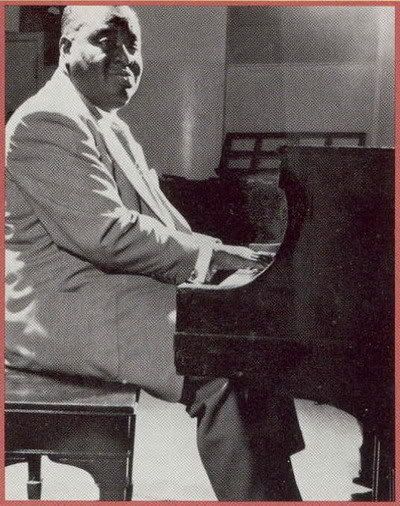
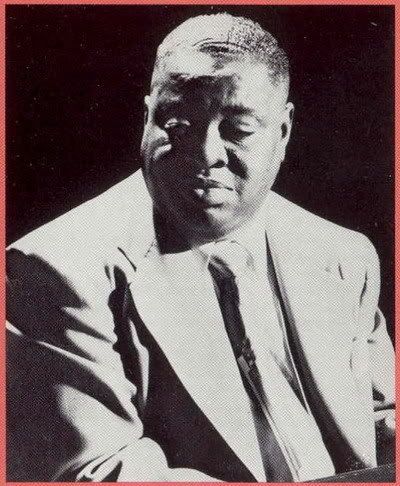
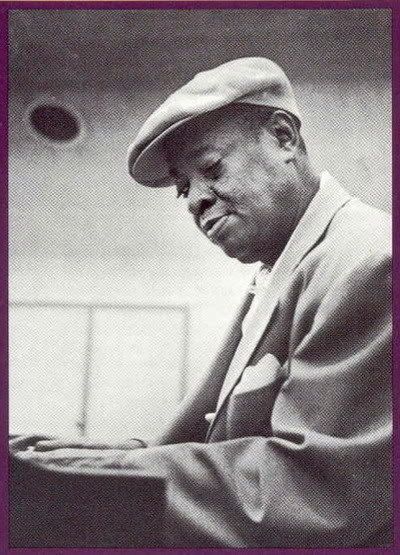
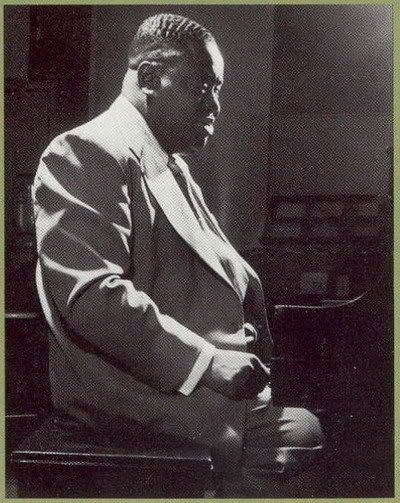
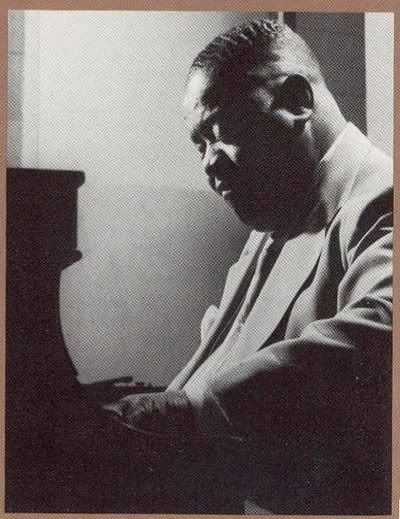
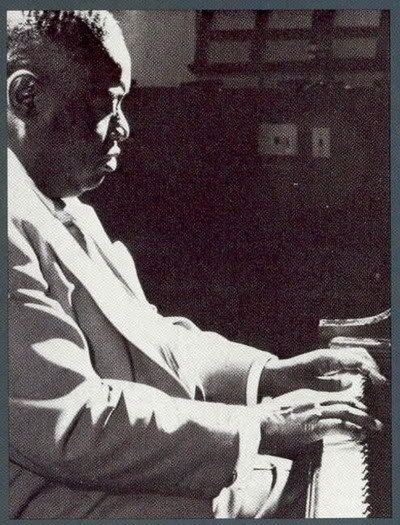
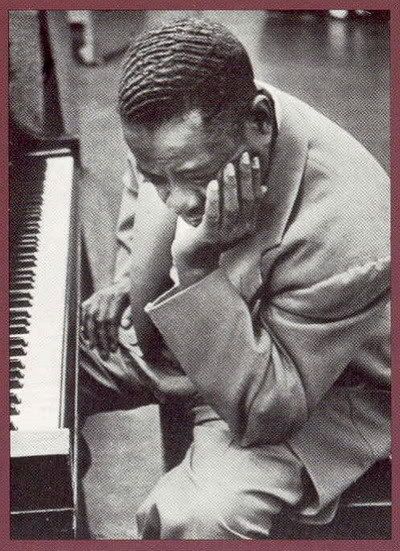
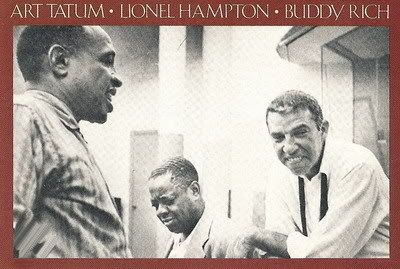
Art Tatum Photos


All photos courtesy of Pablo Records.