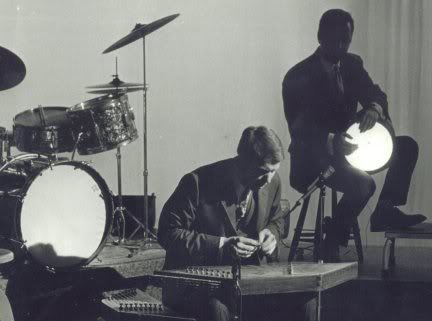
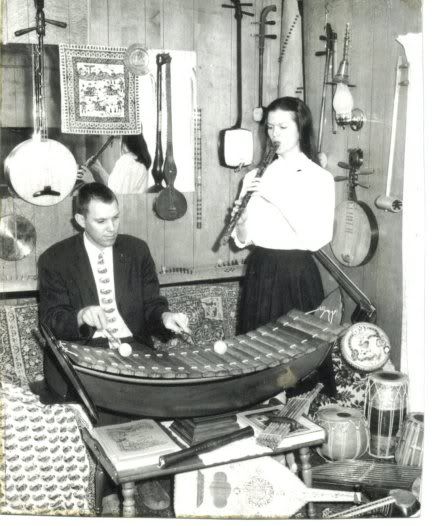
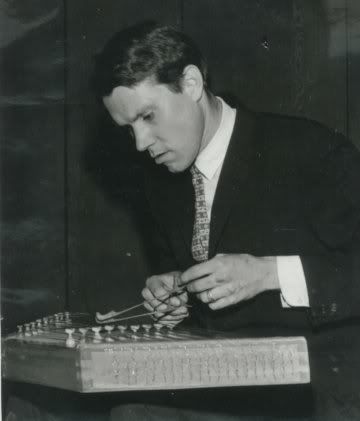
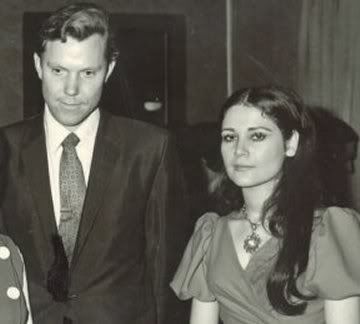
Showing posts with label Lloyd Miller. Show all posts

Sunday, August 4, 2013

Jazz Mirrors Iran#6: Paraded Beauty


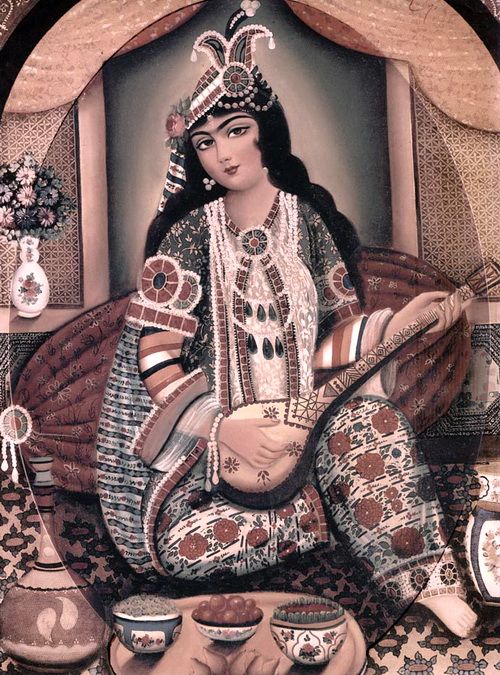
Women in Iran: a hot topic, no matter how you look at it, from European feminists studying the country to Iranian men sipping cups of “smuggled” Starbucks coffee while cruising up Tehran’s Jam Avenue. Whatever helps to glamorize these young ladies on the streets comes to their service: heavy make-up, flamboyant haircuts which under the veil turns the head into a piece of early Cubist art, bold colors that remind one of Gauguin in Martinique, tight dresses that generously exhibit the female figure, high heels and leather boots that make the infamous Betty Page look like a modest housewife - cigarette smokers, driving behind the wheel of expensive sport cars in northern Tehran, listening to loud music - patrons of Tehran’s reputation as the nose job capital of the world, as if all Persian girls rival themselves with Nicole Kidman in how properly whittled noses should look.
photo by Reza Hakimi

Art and culture aside, what impresses Western visitors in Iran are these apparent dichotomies of beauty and street fashion, all the more exotic to foreign eyes as defiance within the stringent rules of the Islamic Republic regime. “Women are so chic there,” Mark Cousins, an Irish filmmaker told me one time while making a documentary in Iran, “it’s like a European country, but a strange kind of Europe.”


Pari Ruu, Lloyd Miller and the Heliocentrics

Sunday, June 16, 2013

Jazz Mirrors Iran#4: An American in Tehran

photo by Reza Hakimi
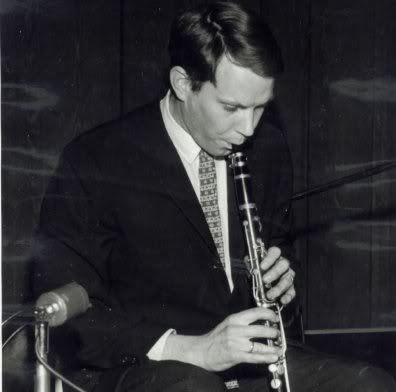
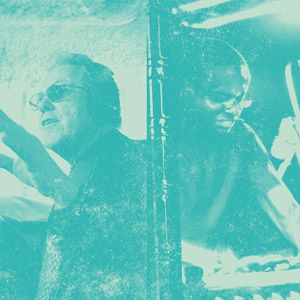
In the fourth installment of my ten-week series exploring Iran through the world of jazz, I've looked at Iranian music through the melodies of one its most dedicated ambassadors: Lloyd Miller.

Lloyd Miller is no typical fan boy. If there’s one thing to know about him, it’s that he doesn’t like mainstream music, likely most of the stuff on your iPod. Groupie he is not, calling most of today’s new hits “jumpy ugly obnoxious rock junk that has permeated the whole world like leprosy destroying everyone’s musical tastes and minds.” You could write him off as an aging music snob, but then you’d be missing out on one of the edgiest pioneers in building the musical bridge between East and West.


                                  Segah – Lloyd Miller                                 

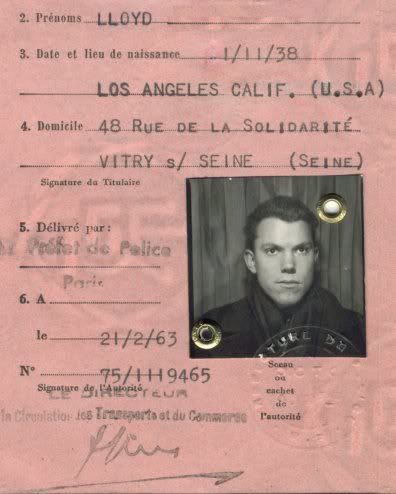
If there’s a more important thing to know about Lloyd Miller, it’s his love of Persian music. Born in 1938 to a ballet dancer and a professional clarinetist, he began learning piano at the age of three. By his early teens, he taught himself banjo, clarinet and cornet. There is scarcely a single instrument today that he hasn’t mastered or at least experimented. In 1957 his father, now a professor at the University of Southern California, was invited to Iran in order to oversee the creation of University of Tehran’s business school. Nineteen-year-old Lloyd, already a staple in the American jazz scene, came along, mostly so that his parents could keep him away from a drug culture that permeated into many music circles. Miller himself looked at the trip as a spiritual quest, searching for a new musical language that he found partially in traditional jazz and the more modern Bop, but still felt incomplete.

Sunday, February 12, 2012

Radio Hawkins#25: Lloyd Miller


Last night, my final broadcast of the Jazz for Iran radio programme was dedicated to the music and life of Dr. Lloyd Miller whom I introduced in a couple of posts back. If you've missed his amazing life story and his incredible achievements in exploring new sounds in jazz, by creating a mesmerizing fusion of this music with Persian and Middle Eastern instruments, you can still read it here. The audio file presented here is my selection of the songs, recorded from 1961 in Paris to late 1960s in Utah, and finally Lloyd's latest musical output in London, 2010.

My commentary and intros are obviously in Farsi, but I promise to keep it minimum and let the music speaks for itself. 


جاز براي ايران
اپيزود بيست و پنجم
اين اپيزود پايان سري اول راديو هاوكينز خواهد بود و تا چند هفته بعد از اين، برنامۀ تازه اي پخش نخواهد شد. برنامه هاي قديمي هم چنان در اين سايت و در سايت جزنات قابل دسترسي هستند

موضوع اين برنامه: موسيقي دكتر لويد ميلر
بيوگرافي او را در اين جا بخوانيد


Thursday, February 9, 2012

Remembering Jef Gilson (1926-2012)

February 11, update: Dr Lloyd Miller generously has just furnished me with a few better quality photos of himself with the late Jef Gilson. Lloyd wrote today: "Had to choak back the tears when I read about his passing. But after realizing that he was in a better place with cooler jams, I felt peaceful." Jef was a huge fan of jams! Rest in piece brother!

Jef Gilson, the French jazz musician died four days ago. He was "a visionary pioneer who still has not achieved the status he deserves," (Francis Gooding), and listening to his recordings from 1960s and 1970s reveal what a great innovator he was.

Gilson started playing clarinet in 1941, and later switched to the piano. Under the influence of Dizzy Gillespie he envisioned himself as a composer, arranger and band leader, and soon he became one. Writer Francis Gooding examines Gilson's Monk-Coltrane oriented recordings as pieces of work "with tempo changes, bitonal layers and chromatic threads."  

Last week I wrote about Lloyd Miller and briefly mentioned his association with Parisian avant-garde jazz scene of the 1960s. Lloyd was Jef Gilson's right hand in his early recordings. They both were "hip" innovators and fearless musicians with sky as their musical limit. 

In the following text you'll get a picture of these two men's musical journey form their accidental encounter to conquering the Parisian jazz scene for a short period, and finally the eventual break up of their band. The information, presented in the from oLloyd Miller's biography book, Sufi, Saint and Swinger.


Lloyd felt it was time to make an LP of his piano solos; but he was not sure how to do such a thing. One day he was wandering up Rue Dauphene past Saint André where Dauphene becomes Rue Grégoire-de-Tours. He walked a ways then noticed on the right a shop at no. 7 called Kiosque d’Orphée, a recording studio. A feeling of excitement came over him as he timidly entered the shop to be greeted by a man named Jef Gilson who seemed to be predestined as a colleague and friend. Lloyd felt he knew this person and was predetermined to work with him musically. As they chatted about music and Lloyd’s plan for cutting an LP of his piano solos, they both felt that their lives and careers would merge. They both liked some of the same jazzmen and both had a desire to bring something new to jazz. Lloyd’s dedication to Eastern music was understood by Jef who was interested in learning more about Persian, Indian and Far Eastern concepts. They set up a time for the recordings; but Lloyd was hesitant about it because of the potential costs. Jef assured him that this was a project he was invested in and promised Lloyd that it would go forth at whatever fee Lloyd could afford. Jef also offered assistance in Lloyd’s wild project of recording some pieces in which he would play piano, bass and drums by re-recording. Jef noted that as, well as a nice grand piano, he had a bass and drum set in the studio and it would be easy to do.


Lloyd accepted Jef as a type of advisor while he also became a guru for Jef when it came to Eastern music. During the following days, Lloyd visited Jef’s studio to practice bass and drums for the upcoming recording session while he continued working at the Rue Monge piano store to keep up his piano virtuosity.

Little did Lloyd know that his ticket to fame (but not fortune) in the jazz world would be in the hands of his new found friend. Lloyd would keep dropping by the Kiosque d’Orphée to chat with Jef who was planning the debut of a new jazz combo. He explained to Lloyd that he decided to have both upright and electric basses that could play lines in harmony sometimes or trade off playing bass lines and melodic passages or just play in unison or octave when appropriate. He also envisioned both tenor and soprano sax; this was before anyone used soprano in jazz except New Orleans master Sidney Bechet. Of course there would be a drummer and Jef would be on piano with his Thelonious Monk style. Finally, he was looking for someone who was a genius on any instrument and a solid soloist. When Lloyd asked who that was, Jef blandly looked him in the eye and stated “c’est vous.” Lloyd thought “me?” then stuttered “mais, moi...c’est à dire...suis rien...bah, alors... comment . . . (me, I’m nothing, how?)” Jef interrupted Lloyd’s hesitance with “non, mais, vous êtes parfait. Vous jouez n’importe quoi avec confiance; alors à mon avis vous êtes notre soloiste. (no, but you are perfect. You play no matter what with confidence, it’s my opinion that you are our soloist)” As Lloyd sat stunned, Jef invited him to a gathering at his place a few days later where they were having fondue and where the other musicians would be present. Jef told Lloyd to think about it and they would talk more at dinner.


Jef picked Lloyd up at the hotel in his rattley funny looking little Deux Chevaux and they cheerfully chatted all the way up to Jef’s place. There Lloyd met his new band buddies: quiet shy tenorman Pierre Caron, tall thin and playful electric bassist Alain Melet and a drummer.

A time was set for the first rehearsal and Jef once again asked Lloyd if he was ready for the commitment. About the potential band he stated “le bateau part si vous voulez être là d’dans.” Lloyd, sipping on a fancy liqueur and picking at a creamy cake, hesitantly agreed “d’accord, on va voir; mais savez, de temps en temps j’ai du boulot ‘ci’ là.” Jef promised that Lloyd would be free to play around town on his own at the Mars Club or the Caméléon or wherever, adding that there wouldn’t be any money playing in his band “il aura pas du fric, savez.” Lloyd muttered “fais rien, suis pas là pour le fric.”

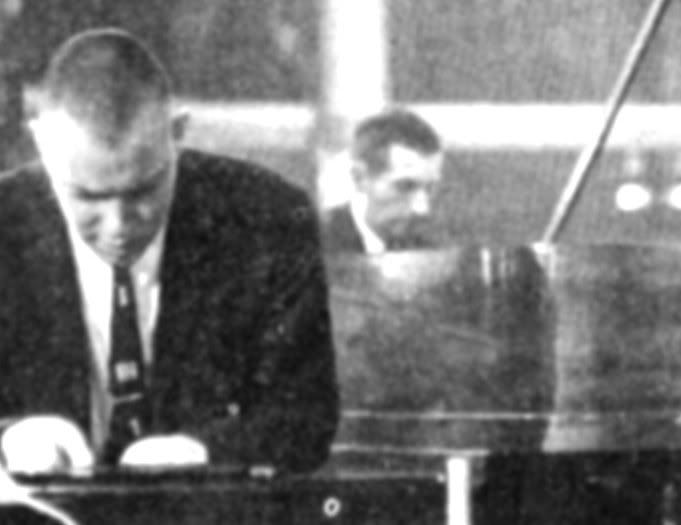
Lloyd with Jef in the background


So during the next weeks, there were rehearsals sometimes twice a week or more where Jef would tediously teach everyone in the band what he was looking for, note by note. Jef found a funny little electric piano that was more like an accordion in tone and gave it to Lloyd to play it in the band. Then he sent Lloyd to check out and approve an African balaphone at an antique store in the Quarter near the hotel. Lloyd was to play solos on those odd instruments on certain pieces which he could easily do but was going crazy sitting through the long and lugubrious rehearsals.

Finally, Jef found a baritone horn to add to Lloyd’s solo instruments.On the balaphone, Lloyd found a way to get more than just the notes provided by the dozen long thin wooden bars with long thin resonance gourds under them. He would hold one mallet on the bar at a certain point where it would raise the pitch a half step providing notes that weren’t on the instrument.

.
Jef Gilson, Lloyd Miller, Hal singer playing Mother Africa

On the micro organ, he would try to find ways to fit in to the unusual arrangements about half of which were weird and crazy Monk type creations. Lloyd began to understand what Jef meant by French jazz. Some of his compositions had the flavor of old chansons that one would affiliate with accordion music
in small colorful bistros in Montmartre including charming French type waltzes.

The Gilson band began to play concerts around Paris and was attracting the attention of jazz writers and the R.T.F. (Radio Télévision Français). One of the favorite tunes in the Gilson repertoire was called Le Grand Bidou. It was a one-chord piece with a bluesy bass line and a great opportunity for modal improvisation. Lloyd immediately saw an opportunity to insert the East Indian tonic drone using a low note on the micro-organ, which he kept humming, by using a folded up piece of manuscript paper wedged in front of the key to keep it down. Then, since the instrument sounded like the ancestral Lao khen or bundle of bamboo pipes with free reeds in them, for his solo he couldn’t resist rendering the khene music he had been listening to from the UNESCO series of LP records of world music.


Jef had been working on public relations in the jazz scene and had added three instrumentalists who were more technically skilled. One was dark curly-headed North African soprano saxist Alain Tabar-nouval, short upright bassist Henri Texier and serious drummer Pierre-Alain Dahan.

The band played at youth clubs and in concerts almost nightly until they were ready for the big time. Jef continued with his exacting intensive rehearsals which included a retreat at a country cottage that he had access to in Vallais, a one store town about 220 kilometers outside of Paris on a country road.

Suite Pour San Remo Ouverture

One day when Lloyd walked into the door of the Saint André, Claude informed him that Jef had called and said that he was to join Jef and the band at the cottage and left directions. Claude handed Lloyd the car keys and wished him luck finding the place. Lloyd took off and got lost a couple of times before finding the ‘town’ and the cottage. When he arrived, all Jef’s friends and musicians were there, including the three new members. It was a wild weekend rehearsing, jamming and partying with a liberal supply of all types of alcoholic beverages and wonderful tasty food not to mention a few joints of pot.

Le Grand Bidou

One of the evenings, Jef decided to invite the whole village, maybe a dozen or so people, to join in a huge Swiss fondue party. Jef’s wife melted up a monstrous batch of cheese and everyone stuck pieces of bread on forks into the hot cheese until the bread was sort of toasted and saturated with cheese. Then Jef and the band played their full repertoire that they had been rehearsing for the locals who strangely liked it all. They all joined in for the goofy “un bidou et un bidou égalent . . .” bit working up to 6 replaced by ‘shoobidoo’ as Lloyd and all the villagers chanted along.

Back in Paris, Jef decided that Lloyd was ready to graduate from the baritone horn that he occasionally played to a tuba to join the two basses on a couple of numbers. So off they went to the marché a puces or flea market. After wandering through the maze of makeshift stalls, Jef came to an instrument dealer acquaintance where they found a big old tuba that Lloyd was able to get a few notes on; so Jef bargained it down and bought it. He had a plan for his big concerts, like the impending one at École Normale de Musique, to use the tuba as well as a real organ rather than the silly little micro organ Lloyd had been playing.

For the February 22 landmark concert at École Normale de Musique, Jef added the soloists from the Chamber Orchestra of Monaco including flute, oboe, 2 clarinets, etc. and members of the Robert Seto Orchestra including trumpet and bary sax. The large ensemble performed Jef’s same tunes which had become popular around Paris but with a much bigger sound.

After the huge success at Jef’s high-profile debut at the École Normale, his next prominent concert was at the famed Téâtre de l’Étoile, reported Combat on Monday March 5 by one of Jef’s strong supporters in the media, Jean Tronchot.

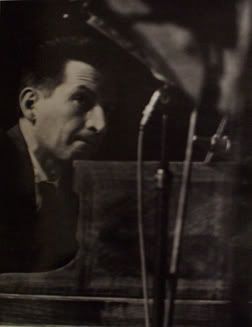
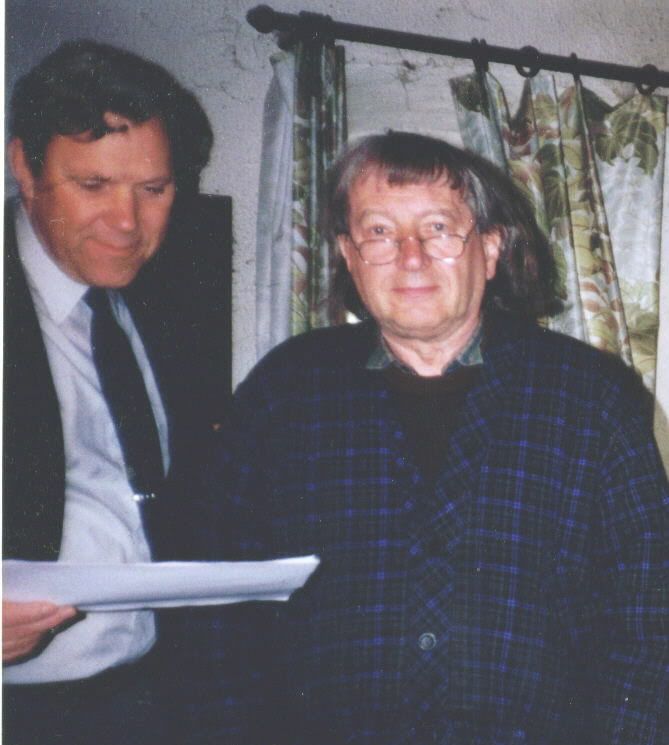
Jef (right) and Lloyd. © Lloyd Miller


It was about the time of the big debut at the École Normale that the famous Gilson 10 LP took Paris by storm. The recordings had been done at Jef’s Kiosque d-Orphée studio on Rue Grégoire-de Tours and featured some of the top hits of the Gilson band: Le Grand Bidou, Fable de Gutenburg and Bizz-are. Unfortunately, the LP didn’t have room for a few of the interesting later recordings of pieces like Chant Inca where Lloyd did a nice balaphone solo borrowing the initial notes of La Marseillaise, or Anamorphose where he wailed out a crazy micro-organ solo or St. Louis Blues with Lloyd’s amazing and honkin’ piano playing which included an esoteric intro then ending with a whole tone run on major seventh chord before rabidly ripping into a rolicky barreling blues. The other side of the 10-inch featured some of Jef’s earlier compositions performed by jazz names like Bobby Jaspar, Walter Davis Junior, Doug Watkins and Art Taylor. All the jazz media went wild over the LP which was soon selling like mad.

Fable of Gutenberg

But the fame gained by the Gilson band was not to last forever. Somehow a disagreement broke out between Jef and the three musicians who had most recently joined the band. They quit or were let go by Jef. After the breakup of the band, gigs became sparser and Lloyd was back to mostly working clubs.

Gilson went to Madagascar in 1968 and stayed away from French jazz scene for three years. Lloyd left Paris, too, and almost at the same time that Gilson headed for Africa, Lloyd returned to Iran for his longest stay in a foreign land - 7 years!
That part of the text which illustrates Lloyd Miller and Jef Gilson's collaboration is copyrighted © Lloyd Clifton Miller.

Thursday, February 2, 2012

Lloyd Miller, a Sufi of Jazz [Farsi]


Read it in English

لويد ميلر، صوفي موسيقي جاز

در سال 1336 یک خانواده متمول آمریکایی، بعد از سفري كه از آمريكا به ژاپن، خاور دور و سپس هند رسانده بودشان، بلاخره وارد مقصد نهايي، ایران شدند. پدر و پسر هر دو موزیسین‌هاي جاز و اهل کالیفرنیای جنوبی بودند. لوید میلر، فرزند نوزده سالۀ این خانواده، از سیاحت در این سرزمین‌های دور به دنبال چیزی می‌گشت که در موسيقي جاز سنتی و جنبش مدرن باپ بخشي از آن را یافته بود، اما هنوز براي پاسخ به تمام نيازهاي روحي‌اش كافي نبود. او در جستجوي چيزي بود، فراتر از چهارچوب‌های فرهنگی خانواده‌ مورمون و مرفهي از كاليفرنيا. اما اتفاق جادويي زندگي او در تهران رخ داد: بي‌حوصله در هتلش پيچ راديو را باز كرد و ناگهان صدای تار را از رادیو شنید؛ شوری او را فرا گرفت که هرگز در کلوب‌های موسيقي جازِ لس‌آنجلس نچشیده بود. این حادثه کوچک نقطۀ آغاز پیوندی ناگسستنی با موسیقی و فرهنگ ایرانی شد و یکی از اولین نمونه‌های تلفیق جاز و موسیقی آسیایی را به بار آورد.

*  *  *


«برای من فرقی نمی‌کند؛ چه در قهوه‌خانه‌ای در هرات ساز دست گیرم، یا در گروه‌نوازی‌‌های افغان‌ها بنوازم یا در دکانی در ترکیه؛ هیچ‌کدام فرقی با اجراهایم در كلوب «رد فدر» یا «پرپل آنییِن» در لس‌آنجلسِ دهۀ پنجاه ندارند. سیستم موسیقیایی یکی‌ست. روح موسیقی، نت‌ها و گاه الگوهای ملودیک و جمله‌بندی‌ها یکی هستند.» -- لويد ميلر

لوید میلر، متولد 1938 در گلندیلِ کالیفرنیا، با درس‌گرفتن از پدرش که که نوازندۀ حرفه‌ای کلارینت بود، نواختن چندین ساز را در اسلوب نیواورلئان آموخت. سبکش متأثر از جورج لوییس، جانی دادز و جیمی جیوفری بود و اولین صفحۀ 78 دور خود را در 1950 ضبط کرد. کورنت، آکاردئون، بانجو، ترومبون، کلارینت، باس و ساکسفون از جمله سازهایی بودند که در نواختنشان مهارت داشت. پدر او که استاد دانشگاه کالیفرنیای جنوبی بود برای تاسیس مدرسه بازرگانیِ دانشگاه تهران به ایران دعوت شد. بعد از ورودشان به ایران در 1957 لوید به مدت یک سال در ایران ماند و نواختن چندین ساز ایرانی را آموخت. اما از آنجا که هرگز آرام و قرار نداشت روانه آلمان شد و در فرانکفورت در «دومیسیل دو جز» همراه با پیتر ترانک و آلبرت منگلزدورف به اجراي موسيقي پرداخت. لويد به خاطر مي‌آورد: «در دوره‌ای در 1958 پیانیست خانگی «جز کلر» در ماینتسِ آلمان، بودم. یک شب دان اِلیس، اِدی هریس و یک ترومپت‌نواز ترک به نام مافی فلای همراه با اعضای دیگرِ دستۀ جازِ ارتش آمریکا به آنجا آمدند. آن شب بعد از اجرا، ادی و دان بعضی از ساخته‌هایم که ملهم از شرق بود را خوانندند و دان گفت که این مسیر را در موسیقی‌اش ادامه خواهد داد.» و چنين هم شد.
لوید بعد از آلمان به سوییس و سپس استکهلم رفت. در 1960 در کنار برجسته‌ترین موزیسین‌های جاز سوئد، از جمله برنت روزنگرن، لارس فارنلوف، لنارت جنسن، کار کرد. مقصد بعدی پاریس بود. در «کامیلیون» با گروه جف گیلسُن می‌نواخت و گه‌گاه نیز سری به کافه بلونت می‌زد. در آنجا بود که قطعاتی را نیز به جاي باد پاول با نوازنده طبل کنی کلارک اجرا می‌کرد. لوید، نشست‌های ضبط شده و نشدۀ متعددی در اروپا داشت؛ از جمله با ژاک پلزر، (ساکسُفونیست فراموش‌شده‌ای که کارهای درخشانی با چت بیکر ضبط کرده است) و تونی اسکات، ماجراجوی دیگری از جنس لويد.
او که معتقد به کلیسای مورمون بود در بازگشت به آمریکا وارد دانشگاه برگهم یانگ شد و در همان سال اول ایدۀ تلفیق جاز و موسیقی شرقی را مطرح کرد. عده‌ای از موزیسین‌های این دانشگاه تحت نظارت لوید ترکیب جسورانه‌ای از سازهای ایرانی و موسيقي «کول جَز» آفریدند که لوید آن را «جاز شرقی» نامید؛ عنوانی که بعدها نام اولین صفحه‌اش شد.
«کوارتت جاز شرقی» در فستیوال جازي كه مخصوص گروه‌هاي دانشگاهي كرانۀ غربي آمريكا بود شبیه هیچ‌کدام از گروه‌های دیگر شرکت‌کننده نبود و جایزه اول را برد. آلبوم گروه نیز به یکی از تاثیرگذارترین نمونه‌های تلفیق موسیقی شرق و غرب بدل شد.

قطعه گل گندم در اجرايي در تلويزيون ايالت يوتا، 1965

آلبوم «جاز شرقی» (که ترکیبی از نواخته‌های «کوارتت جاز شرقی» یا «کوارتت پرس کیز» و تریوی میلر بود) با قطعه‌ تکان‌دهنده‌ای آغاز می‌شد به نام «گل گندم». فرانسیس گودینگ در مورد این قطعه می‌نویسد: «صدای سحرانگیز سنتور میلر همراه با تک‌نوازی‌های ماهرانه کیز و سوییگ به‌جایِ باس و درامز، به ترتیب توسط دان وست و دیک بیسون، ترکیبی ایجاد کرده است که شنونده را براي هميشه با خود می‌برد.»

در 1969 (1348) از مرکز شرق‌شناسیِ دانشگاه یوتا یک بورس تحقیقاتی به لويد تعلق گرفت. این‌بار با تصویر روشنی از آنچه در پی‌اش بود به ایران آمد و در طول هفت سال آتی، ضمن این‌که اقامتگاه اصلی‌اش تهران بود، خاورمیانه را از افغانستان و پاکستان تا لبنان و ترکیه زیر پا گذاشت. لوید زیر نظر دکتر داریوش صفوت و استاد محمود کریمی در موسیقی کلاسیک و فولکلور ایرانی مهارت پیدا کرد و عنوان پایان‌نامه دکترایش شد «موسیقی و تصنیف در ایران: هنر آواز». در طول این هفت سال در جشنواره‌های مختلف موسیقی سنتی شرکت کرد، از مکان‌های مقدس دیدن کرد، در مراسم صوفیان حاضر شد و زندگی اقوام مختلف این خطۀ را از نزدیک لمس کرد.
برای انتشارات انگلیسی زبان در تهران و بیروت مقالات زیادی نوشت. در دهه هفتاد میلادی (دهه پنجاه شمسی) با نام مستعار کوروش علی خان برنامه‌ای هفتگی در تلویزیون ملی ایران را می گرداند با موضوع موسیقی جاز و موسیقی قومی ایران. اين برنامه، «کوروش علی خان و دوستان»، هفت سال پیاپی ادامه یافت و او را به چهره‌ای شناخته شده در ایران بدل کرد. همچنین مجموعه‌ای تلویزیونی درباره تاریخ جاز و برنامه‌ای به زبان انگلیسی درباره فرهنگ و هنر ایران را تهیه و کارگردانی کرد.
در 1977 (1356) به یوتا بازگشت وتدریس، که از سال‌های میانی دهۀ 1960 آغاز کرده بود، را پی‌گرفت. به گفته گودینگ، در دهۀ هفتاد میلادی و در اوج دوران توجه به موسیقی و ادیان شرقی، میلر سال‌ها پيش‌تر از ديگران اين تجربه‌ها را پشت سر گذاشته بود. از آن زمان تاکنون زندگی او را می‌توان در یک چیز خلاصه کرد: حفظ ميراث جاز سنتی و موسیقی شرقی. از کارهای اخیر او می‌توان به همکاری‌اش با کریس ویلکینز، آهنگساز اركستر سمفونیك یوتا، در کار بر روی ارانژمان‌های بانک جانسُن، جو کینگ آليور و بیکس بیدربک برای اجرا توسط اركستر سمفونیك یوتا اشاره کرد.
نويسنده‌اي مي‌گويد لوید میلر هرگز آن‌طور که باید مورد تحسین قرار نگرفت. «وی کسی بود که در خارج از محدودۀ میِن‌استریم کار کرد و تأثیرش از شرق او را از دیگر موسیقی‌دانان جاز مودال متفاوت می‌کند. او زندگی‌اش را وقف هنرش کرده بود و شاید همین موضوع او را تا حدی از نظرها دور کرد.» فرانسیس گودینگ زندگي و آثار او را «طنین قوی نُتي در کلیدی عجیب و غریب» می‌خواند. خود میلر این کلید را نشات گرفته از ایران می‌داند. به عقیده او ریشه بلوز، سه‌گاه در دستگاه موسیقی ایرانی‌ست؛ میراثی که توسط اعراب (مثل خیلی چیزهای دیگر از جمله اذان) از ایران گرفته شد و به آفریقای شمالی و نیواورلئان راه پیدا کرد. به این ترتیب او جاز را برآمده از موسیقی سنتی ایران می‌داند.
وی در بخشی از نامه‌اش به من زیبایی «صوفیانه» آلبوم Kind of Blue، مایلز دیویس را گوشزد می‌کند و می‌نویسد که زیبایی موسیقی استن گتز، بیل اِونز یا ديو بروبک برای او فرقی با زیبایی اذان ندارد. «همه آن‌ها وجود پروردگار را تصدیق و نیکی را تصویر می‌کنند.»
لويد با استاد آوازش، پريسا
لوید از موسیقی پاپ بیزار است و زمانی‌که چند سال پیش تهیه‌کننده‌ای در مورد استفاده از قطعۀ «گل گندم» برای یک آلبوم گلچين موسیقی سایکدلیک اجازه خواسته بود، لويد بي‌درنگ درخواست تهيه كننده را با نوشتم اين نامه رد کرد:
«به هیچ ترتیب نمی‌توانم به چیزی که در تمام زندگی‌ام با آن جنگیده‌ام نزدیک شوم؛ مثل یک آفریقایی-آمریکایی که هرگز با کوکلاکس‌کلان کنار نخواهد آمد. وقتی درق و دورق‌های الکترونیک، کسی را به یک زامبی بدل کرد دیگر امیدی به بازگشتنش به سویینگ جاز دهۀ پنجاه نیست. شاید بعد از جنگ جهانیِ سوم وقتی یک سوم جمعیت جهان نابود شد، این درق و دورق‌ها هم برای همیشه پایان یابد.»

خاطرات لويد به زبان فارسي شيرينش 

لوید با تأثیر از کلیت ایرانی/ اسلامیِ موسیقی در «موسیقی و تصنیف در ایران» می‌نویسد: «آوای حقیقی، درونی‌ست درحالی‌که موسیقی مطربی، عنصری خارجی‌ست». وی که بیش از چهل سال است که گیاه‌خواری را پیشه کرده، از رویای خود با ما می‌گوید: «شاید روزی رسد که جوانان عصاره گندم نوشند و پروردگار را شاکر شوند و به خزعبلات عرضه شده تن ندهند و زیبایی خلسه‌آور موسیقی‌ای مانند راوی شانکار یا موسیقی سنتی ژاپن را ارج نهند و شاید، فقط شاید، در این میان، به صفحه‌ کهنه‌ای از لوید میلر بربخورند و بگویند که این ابله خيلي مدت‌ها پيش از همه، این راه را پیموده است.»

Wednesday, February 1, 2012

Lloyd Miller, A Sufi of Jazz

Lloyd Miller with Oud (known in Farsi as Barbat)

In 1957, a family of wealthy Americans, after leaving Los Angeles for Japan, and traveling through Far East countries, finally landed in Tehran. The father was an educated man, and a professional musician, and one of his main reasons for bringing his nineteen year-old son to this trip was to keep away this young jazz aficionado from problems with police which apparently were caused by "drug habits" of his fellow musicians. This young cat, named Lloyd, was searching for something beyond the values and frames of mind of his upper class family of southern California. He was looking for a new musical language that he had found partially in traditional jazz, and also the modern movement known as Bop, but still those were not adequate responses to his spiritual quest.

When Lloyd out of curiosity, in his hotel room in Tehran, turned the radio on and heard someone playing a Tar (a skin-covered Persian instrument that is a combination of a guitar and lute), he understood that he has find what he was looking for; an indescribable pleasure that he hadn't experienced in the jazz clubs of L.A.

This small incident was the beginning of his life-long association with Persian music and Persian culture that led him to one of the first fusions of jazz with Middle Eastern music.

From California to Tehran

"It is all the same musical system. For me to pick up an instrument in a teahouse in Herat, or play in an Indo-Afghan jam session in Kabul, or jam in a music shop on the Black Sea in Turkey, was almost the same as jamming in the Red Feather or Purple Onion during the 1950s, back in Los Angeles. The same spirit, the same feeling. the same notes and some of the same melodic patterns and repetitive and mirroring phrases." -- Lloyd Miller

Born in 1938, Glendale, California, Lloyd started to learn various instruments and immersing himself in New Orleans jazz, through teachings of his father, who was a professional clarinet player. Miller was imitating the style of George Lewis, Johnny Dodds and Jimmy Giuffre and cut his first Dixieland jazz 78 rpm record in 1950. He learned to play various instruments, including cornet, trombone, accordion, banjo, clarinet, bass and saxophones.

In 1957 his father, a professor at the University of Southern California, was invited to Iran, in order to oversee the creation of a school of  business at the University of Tehran.

After the trip to Iran and the mentioned "incident", he stayed in that country for a year and that helped him to learn a few Persian instruments. His restless soul forced him to leave Iran for Germany, where he performed at Domicile du Jazz in Frankfurt with Peter Trunk and Albert Mangelsdorf. "One night at the jazz keller in Mainz (Germany) in 1958 where I was the house pianist," remembers Lloyd, "Don Ellis and Eddie Harris with a Turkish trumpet man called Maffy Falay dropped in with other members of the US army Jazz Three band. After the jam, Don and Eddie read through some of my Eastern inspired charts and Don affirmed that he would continue along that line in his jazz career."


After Germany, Lloyd went to Switzerland and then Stockholm where in 1960 he worked with Sweden’s top jazz musicians, including Bernt Rosengren, Lars Färnlöf, and Lennart Jansson. The next stop was Paris, where he played at the Camillion with Jef Gilson band and occasionally visiting Blue Note cafe, where Miller would be asked by jazz legend Bud Powell to sit in a set or two with drummer Kenny Clark.

Lloyd had many other recorded or unrecorded sessions in Europe, among them playing along with sadly forgotten saxophone player Jaques Pelzer (who has some very fine recordings with Chet Baker), and later on, with an adventurous musician like himself, Mr Tony Scott.

Being a Mormon, on his way back to US, Lloyd entered the Brigham Young University. In his first year, for participating in a jazz contest, Lloyd gave the idea of fusing jazz with Eastern music to his fellow musicians in the university. Under Lloyd's supervision they made a harmonically daring blend of Persian  instruments with a cool-jazz oriented sound, and Lloyd, always a visionary, called that Oriental Jazz. The name later appeared as the title of his first LP. 

Unlike anything else presented at the jazz festival, the Oriental Jazz Quartet (Lloyd and Preston Kies on piano) took the first prize, and their recording turned out to be one of the most impressive takes on West-meets-East concepts in music. 

Oriental Jazz LP (a combination of the Oriental Jazz Quartet, or the Press Keys Quartet, and Miller's own trio) opens with haunting piece called Gol-e Gandom, which in Farsi means "flower of the wheat." Francis Gooding writes about this particular recording: "with its mesmeric combination of Miller's shimmering santur [a Persian instrument], Kies's deftly driving piano solo and the rock-solid responsive swing of the bass and drums, by Don West and Dick Beeson respectively, is an unforgettable piece of music that sweeps the listener along in its wake."

Gol-e Gandom broadcast by KBYU, 1965, with Preston Keys on piano

Managers thought that Lloyd's "bizarre" sound would be something provocative for the taste of new hippies, and their interest in the Eastern music, so in 1969 they invited Lloyd to play at now legendary Woodstock music festival. It wasn't Lloyd's taghdir [destiny]. Due to the weather conditions and the impossiblity of flying down there he missed the chance of playing his Oriental Jazz at the Woodstock, though he was paid a $ 150 check in spite of cancellation! Joni Mitchell couldn't get to the festival area, too, but she was clever enough to go back to her apartment in New York City and write down the Woodstock song which became the anthem of the festival. Lloyd, following the teachings of Daravish, went to a totally different direction, and headed for Iran again.

In 1969, Lloyd was awarded a Fulbright scholarship through the University of Utah Middle East Center to do a research on Persian and related music in the Middle East. So with a clear plan in mind he returned to Iran, and during the ensuing 7 years, Miller traveled throughout the Middle East from Afghanistan and Pakistan to Lebanon and Turkey spending most of his time in Tehran. Lloyd mastered Persian music as well as Iranian folk music genres under the supervision of masters Dr. Daryush Safvat and Mahmoud Karimi. Later, as his doctoral thesis, Lloyd wrote a book on Persian music, called Music and Song in Persia: The Art of Avaz. During that seven-year period, Lloyd performed at traditional music festivals, visited sacred shrines, attended wild Sufi ceremonies, and met many people from different ethnic groups in one of the world's most multicultural countries.

Lloyd with then Queen of Iran (left), Farah.
In Iran, Miller became a key art writer for the English publications in Tehran and Beirut. He was even lucky to be given the chance to run his own TV show at Iranian National TV. In the 1970s Lloyd became a well-known TV personality under the Persian pseudonym Kourosh Ali Khan, hosting his own prime-time weekly jazz and ethnic music show entitled Kourosh Ali Khan and friends. Incredibly, his show ran for seven years. He also produced and directed a weekly documentary series on history of jazz, as well as a special program in English focusing on Persian arts and culture. 

Lloyd in Tehran, playing Autumn Leaves with bassist Roger Hererra in 1975. The clip continues with a 2003 take on the same tune, in Utah.

In 1977 Miller returned to Utah. Gooding points that during the 1970s, a decade which saw sustained Western interest in the music and religions of the East, Miller was not only ahead of that particular curve, but had left it behind entirely. Lloyd resumed his teachings that had been started since mid 1960s. Soon he was invited to countless events to perform Eastern music or jazz of various styles. Lloyd Miller's life, since then, is been dedicated to keeping the flame of traditional jazz burning, as well as introducing the music of the East. Recently he has helped Utah Symphony conductor Chris Wilkins for transcription and reconstruction arrangements of Bunk Johnson, Joe King Oliver and Bix Beidebecke to be played by Utah Symphony. Lloyd's many guest appearances and collaborations with international artists is presented in a video on Youtube

 Spiritual Jazz

Mondomix website describes Lloyd Miller as a musician that was "never given the acclaim he deserved." Someone "working outside the mainstream. His complete immersion in the music of the East set him apart from other modal jazz voyagers, and it is perhaps this dedication to his art that has left Miller in the shadows." Music critic Francis Gooding calls him "an intense echo in an unfamiliar key." Lloyd himself, explains this key, as something rooted in Iran. He believes that blues is based on the Persian Segah modal scale in the section opposite at the end of the mode. He traces back this musical heritage to the time when the Arabs took it (and every other idea of any value including the Azan) from Persia and called is Sikah and it ended up in North Africa then New Orleans and beyond. So in his view, and his teachings, jazz is an outgrowth of traditional old Persian music

Dr Lloyd Miller is capable of playing nearly 100 instruments, especially jazz instruments and Eastern instruments. Here, in a montage of various footage from 1965 to 2000s, he plays 38 different instruments!


He recently wrote to me about "spiritual Sufi beauty of Miles Davis' Kind of Blue", and that music of "Stan Getz, Bill Evans or Brubeck makes a person feel God's goodness and confirms the existence of God just like hearing the Azan does. For me it is all the same beauty," he said.
Lloyd despises pop music and when some years ago a producer asked him if he can use Gol-e-Gandom in a compilation CD of weird psychedelic fusion music, he simply refused:

"I just can't be anywhere near the thing I am fighting full-time, like an African-American that won't be affiliated in any way with the Ku Klux Klan. Once someone has become a zombie for the 8/8 inhuman electronic thumping, there is no way they will totally return to the swingin' 6/8 jazz groove of the 50s or the celestial sound of the coming post-apocalyptic Millennium. Maybe after World War III when 1/3 of the world's population has been grimly destroyed, then hopefully the ugly thumping will be stopped forever."

Lloyd, culturally influenced by Islamic/Iranian concepts of music, writes in Music and Song in Persia that the "Correct performance is 'interior', whereas as commercialized (Motrebi) performance is 'exterior'." A strict vegetarian for over 40 years, Lloyd shares this beautiful dream with us: " [someday when younger people] drink wheat grass, and praise the Lord and [are] not a part of corporate entities that are quick to sell them junk. And they'd gravitate toward beautiful dreamy music like Ravi Shankar and Japanese cultural music, and maybe, just maybe, they’d discover an old LP from Lloyd Miller, and say that this idiot was trying to do it a very long time ago and he was ahead of the curve."

I'll keep writing about Lloyd Miller, his spiritual/oriental jazz, and his contribution to the music of 20th and 21th century in upcoming weeks. Also stay tuned for a radio programme, dedicated to Lloyd's music on Saturday, 11 February 2012. More details will be posted here.

A documentary film about Lloyd Miller's life and music is under preparation, but like any other culture-related projects in recent years, it NEEDS FUNDING. Anyone with any interest in this project who can help me to make it possible, please send an email to esatchmo(at)yahoo(dot)com.

Lloyd Miller's website, including a wide range of materials, from a free to download autobiography, to audio samples and numerous video clips and photos can be accessed here.