Wednesday, April 28, 2010

Sonny Clark


سانی کلارک

21 جولای 1931 هرمینی پنسیلوانیا

13 ژانویه 1963

***

او را به عنوان یکی از بزرگترین شاگردان مکتب باد پاول می شناسند . یکی از آدم های درجه یک هاردباپ و آهنگسازی توانا. آرت فارمر می گوید :« یکی از مولفه‌های اصلی ِ موسیقی ِ کلارک این است که هیچ تقلا و فشاری در کارنیست. موزیسین‌های دیگر به زور سعی می‌کنند سویینگ کنند اما برای کلارک سویینگ چیزی است کاملاً طبیعی، خودانگیخته و در ذات موسیقی‌اش.»


از 4 سالگی پشت پیانو نشست، در حالی که تمرین ویبرافون و باس هم می‌کرد. در دوازده سالگی با خانواده‌اش به پیتزبورگ مهاجرت کرد. هفت سال بعد با برادرش ، که او هم پیانیست بود، به غرب آمریکا رفتتند و در آنجا با واردل گری (Wardell Gray) و اسکار پتیفورد کار کردند. سانی از 1953 تا 1956 عضوی از کوارتت بادی دوفرانکو(Buddy De Franco) بود. در لوس آنجلس برای بزرگانی همچون استن گتز، آنیتا اودی و آرت فارمر ساز زد. در 1957 به نیویورک رفت و با دایانا واشینگتون کار کرد. کمی بعد به جمع ستارگان کمپانی "بلونُت" پیوست و چند آلبوم موفق نتیجه این دوران بود. علاوه بر کارهایی با اسم خودش در آلبوم‌هایی از کلیفورد جوردن و کرتیس فولر ظاهر شد. با سانی راولینز، چارلز مینگوس و جانی گریفین کارکرد. تریویی با سام جونز و آرتور تیلور تشکیل داد.


شاهکارش با نام Cool Struttin’ را در 1958 با جکی مک‌لین، آرت فارمر، فیلی جو جونز و پل چِیمبرز ضبط کرده است، شاید بزرگ‌ترین آلبوم هاردباپی که تا امروز ضبط شده است.

هرویین و الکل به سرعت زندگی‌ سانی کلارک را نابود کرد و در 32 سالگی درگذشت. در 1986 جان زُرن (John Zorn) و وین هورویتز (Wayne Horvitz) کوارتت یادبودی با نام او تشکیل دادند و در آلبومی به نام «جادو» (Voodoo) تصنیفات کلارک را ضبط کردند.

Jazz Writing


In my system, the form of blues choruses is limited by the small page of the breastpocket notebook in which they are written, like the form of a set number of bars in a jazz blues chorus, and so sometimes the word-meaning can carry from one chorus into another, or not, just like the phrase-meaning can carry harmonically from one chorus to the other, or not, in jazz, so that, in these blues as in jazz, the form is determined by time, and by the musician's spontaneous phrasing and harmonizing with the beat of the time as it waves & waves on by in measured choruses. It's all gotta be non stop ad libbing within each chorus, or the gig is shot.

-- Jack Kerouac

Sunday, April 25, 2010

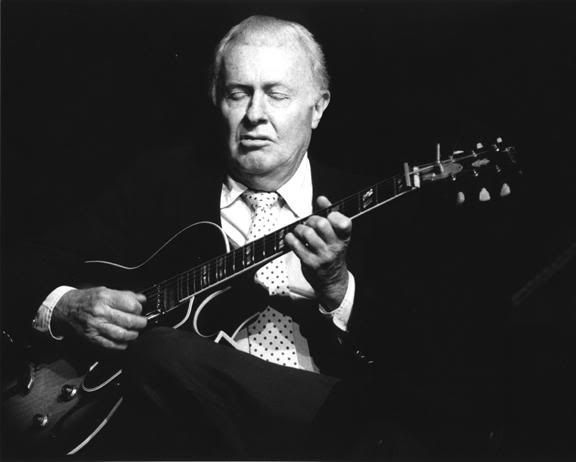
Herb Ellis Photos


Herb Ellis, 1981


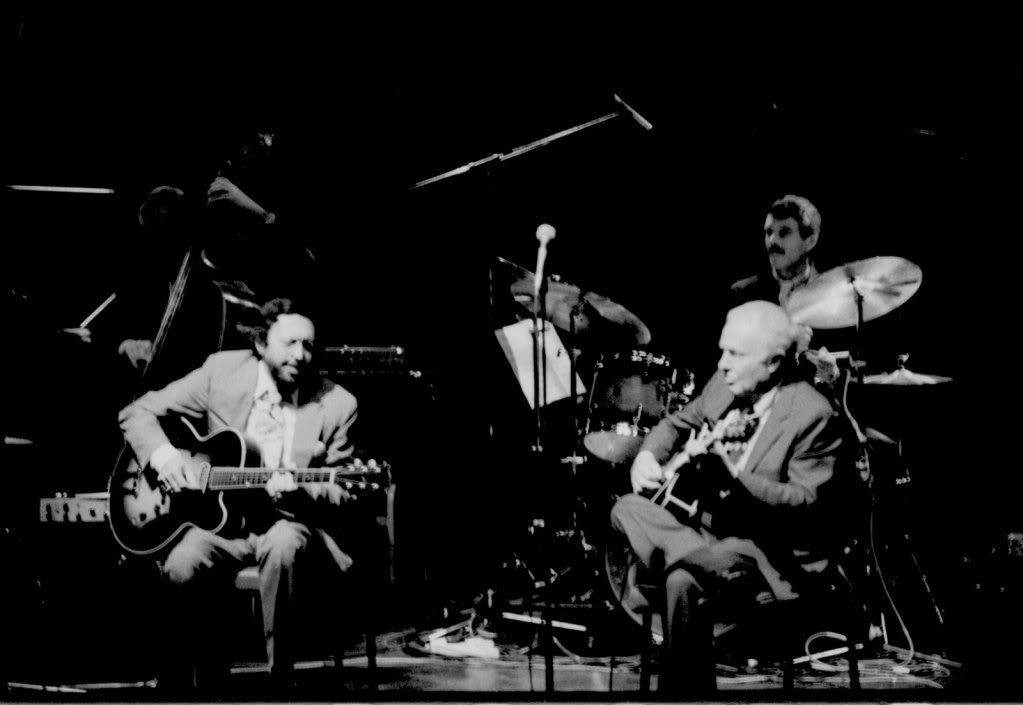
Barney Kessel and Herb Ellis


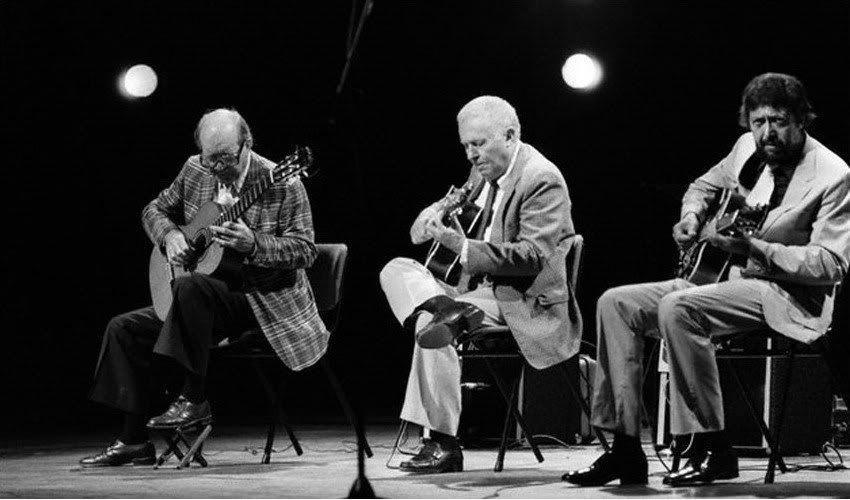
Great guitars, left to right: Charlie Byrd, Herb, Barney.

Thursday, April 22, 2010

Classics 1325: Lester Young 1951-52


Classics 1325
Lester Young
1951-1952
Release Date: 2004
Rating: B

Other notable musicians in this CD: John Lewis, Jo Jones, Oscar Peterson, Barney Kessel.

label(s): Verve , Norgran
Number of sessions: 3
Unissued materials: None
Track Highlights: I Can't Get Started, These Foolish Things, Slow Motion Blues, A Foggy Day.
Other Ratings: Allmusic 3 (from 5)

Other issue or reissues:
Lester Young & the Piano Giants (Verve, 835316-2)
Masters of Jazz: Lester Young (Storyville, 4107)
The President Plays (Verve, 521451-2)
Verve Jazz Masters 30 (Verve, 521859-2)

About the period: Lester at the top. Blowing like no other cat in the whole history of jazz.

The Album: It's a great set, but unfortunately loaded with familiar materials that have been available so far, in countless reissues, especially the recording date with Oscar Peterson Trio. Some people talks of better sound quality in Classics edition, than Verve's own luxury release, but even that, don't make this CD an essential entry in Classic series. The first 9 tracks, from a John Lewis session, are more scarce items in Lester's catalog.
Thom Jurek in his short review of the album indicates the contrast of Lewis and Peterson's piano styles: "while Lewis is clearly a more delicate classicist, his approach swings a bit harder because he's not as interested in pursuing the role of being soloist with Young as much as he is in leading the ensemble." -- Ehsan Khoshbakht


Details:

Lester Young Quartet
Lester Young (ts), John Lewis (p), Gene Ramey (b), Jo Jones (d)

  • New York, January 16, 1951

486-3 Frenesi
487-2 Pete's cafe
488-1 Little Pee blues

Lester Young Quartet
Lester Young (ts), John Lewis (p), Gene Ramey (b), Jo Jones (d)

  • New York, March 8, 1951
529-3 A foggy day
530-1 In a little Spanish town [T'was on a night like this]
531-1 Let's fall in love
532-2 Down `n' Adam
533-1 Lester swings
534-1 Slow motion blues

Lester Young with the Oscar Peterson Trio
Lester Young (ts), Oscar Peterson (p), Barney Kessel (g), Ray Brown (b), J.C. Heard (d)

  • New York, November 28, 1952
883-2 Ad lib blues
884-1 Just you, just me
885-1 Tea for two
886-1 Indiana
887-1 These foolish things (remind me of you)
888-2 I can't get started (with you)
889-1 Star dust
890-1 (It) Takes two to tango [Lester sings in this track!]
891-2 On the sunny side of the street
892-3 Almost like being in love

Total Time: 80 mins. (approximately)

(Available via Amazon as audio CD and MP3)

Tuesday, April 20, 2010

Sunday, April 18, 2010

Discography of "Mosaic Select" Sets

           MOSAIC SELECT            

Mosaic Select series are 3-CD boxes, containing four, and sometime more, rare, and out of print LPs by giants of jazz (Paul Chambers, Dexter Gordon, Woody Herman, Art Pepper, Gerry Mulligan) and sometimes unsung heroes (John Handy, Denny Zeitlin) of the music. From popular big bands of early 1940s to post-modern solo improvisations of Andrew Hill.

The materials usually come from Blue Note, Pacific Jazz Records and Columbia. All sets have been accompanied by detailed discographies, voluminous booklets, great photos, and additional information like original liner notes.

Here is a pictorial discography of 35 volumes of the Mosaic Select series. Including the cover, direct link to Allmusic, dates, the name of original albums (and their release date, and when sessions are not under the name of the box set artist, the name of original session leader). -- Ehsan Khoshbakht

1
Grachan Moncur III
1963-67
The music on this collection features both of trombonist and composer Grachan Moncur's Blue Note LPs as well as his four historic collaborations with Jackie McLean:

  • One Step Beyond, 1963
  • Destination Out, 1963
  • Hipnosis, 1967
  • 'Bout Soul, 1967


2
Carmell Jones
1961-62
Including all three of his earliest Pacific Jazz albums:

  • The Remarkable Carmell Jones, 1961
  • Business Meetin', 1962
  • Brass Bag, 1962


3
Bennie Green
1958-62
Contains five LPs:

  • Back on the Scene, 1958
  • Walkin' & Talkin', 1959
  • The 45 Sessions, 1958
  • Soul Stirrin', 1958
  • Congo Lament [Ike Quebec as leader], 1962


4
Randy Weston
1957-63
This set comprise the complete sessions from six different albums, one of which was previously unreleased:

  • Piano a La Mode, 1957
  • Live at the Five Spot, 1959
  • Little Niles, 1959
  • Uhuru Afrika Freedom Africa, 1960
  • Music from the New African Nations, 1963
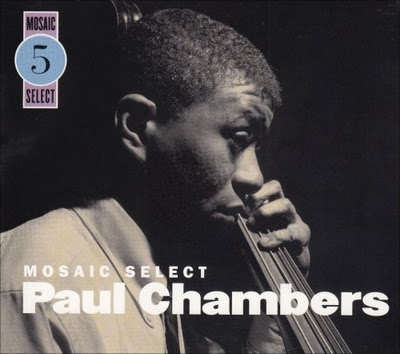

5
Paul Chambers
1956-59
Including 6 studio albums:

  • Chambers’ Music, 1956
  • Jazz In Transition, 1956
  • Whims Of Chambers, 1956
  • Paul Chambers Quintet, 1957
  • Bass On Top, 1957
  • Drums Around The Corner, [Art Blakey as leader] 1959
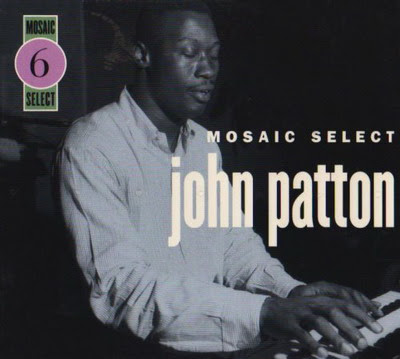


6
John Patton
1963-68
There are five albums collected here:

  • Along Came John, 1963
  • The Way I Feel, 1964
  • Oh Baby!, 1965
  • That Certain Feeling, 1968
  • Understanding, 1968


7
Curtis Amy
1960-63
Contain Amy's entire six-album output for the Pacific Jazz label. The titles include:

  • The Blues Message [co-led with organist Paul Bryant], 1960
  • Meetin' Here [co-led with Bryant], 1961
  • Groovin' Blue [co-led with drummer Frank Butler], 1961
  • Way Down, 1962
  • Tippin' on Through, 1963
  • Katanga! ,1963


8
Duke Pearson
1968-70
Including 5 original albums:

  • The Phantom, 1968
  • Merry Ole Sole, 1969
  • How Insensitive, 1970
  • It Could Only Happen With You, 1970
  • I Don't Care Who Knows It, 1970


9
Bob Brookmeyer
1954-58
Including these LPs:
  • Traditionalism Revisited, 1957
  • Street Swingers, 1958
  • Kansas City Revisited, 1958
  • Stretching Out [Zoot Sims as leader], 1958
  • Playboy Jazz All Stars [Various Artist LP], 1958
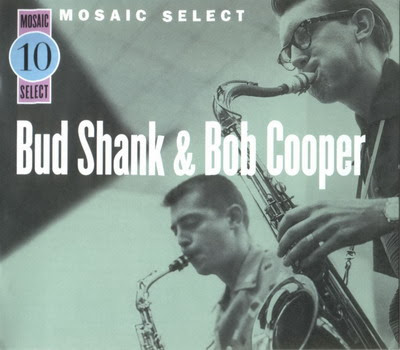

10
Bud Shank and Bob Cooper
1954-58
There are five complete albums (and cuts from two other) on these three discs. All of them under the name of Bud Shank in their original release:

  • Bud Shank and Bob Brookmeyer, 1955
  • Bud Shank and Three Trombones, 1954
  • Jazz at Cal-Tech, 1956
  • Flute and Oboe, 1956
  • The Swing's to TV, 1958
  • Jazz Swings Broadway, 1957
  • Blowin' Country, 1958


11
Dizzy Reece
1958-60
Including 4 original albums:

  • Blues in Trinity, 1958
  • Star Bright, 1959
  • Soundin' Off, 1960
  • Comin' On! ,1960


12
Dave Liebman & Richie Beirach
1976-91
All of the recordings on this set are previously unissued live performances. They are compiled from the years , when Dave Liebman and Richie Beirach began recording together in an electric group called Lookout Farm (with Frank Tusa, Jeff Williams, and Todd Barkan), and recorded for the ECM label.


13
Don Pullen
1986-90
Contained two albums by the George Adams-Don Pullen Quartet (first two in the list), and two under Pullen's own name:

  • Breakthrough, 1986
  • Song Everlasting, 1987
  • New Beginnings, 1988
  • Random Thoughts, 1990


14
Dexter Gordon
1978-79
Including original live double LP, Nights At The Keystone.
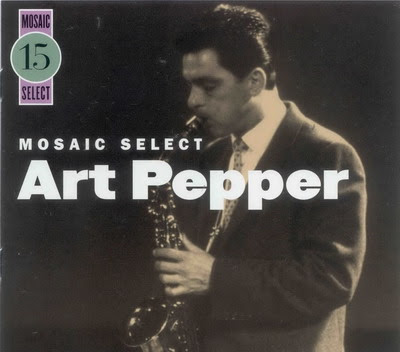


15
Art Pepper
1956-57
Contains complete Aladdin recordings:

  • The Return of Art Pepper , 1956
  • Modern Art , 1957
  • The Art of Pepper , 1957
And some additional from:

  • Collections [Joe Morello], 1957
  • Just Friends [Bill Perkins], 1956


16
Andrew Hill
1967-70
Only six of the 31 selections on this set have ever been out in any form. Those six tracks are from Blue Note's One for One.
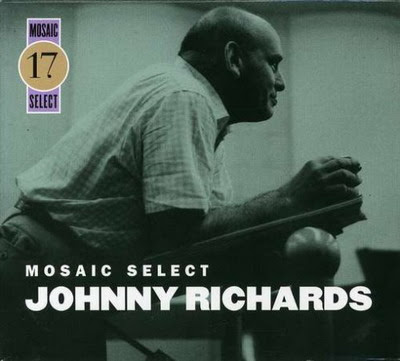

17
Johnny Richards
1955-66
This set reissues arranger Johnny Richards' Capitol and Roulette albums that originally were called:

  • Wide Range, 1957
  • The Rites of Diablo, 1958
  • Experiments in Sound, 1959
  • My Fair Lady, 1964
  • Aqui Se Habla Espanol, 1966

In addition, portion of an album:

  • Annotations of the Muses, 1955


18
Freddie Slack
1941-55
An invaluable collection of all Slack's recordings as a leader and 17 previously unreleased performances, including a five-song session from 1946 and three numbers from 1952. Most of the tracks belong to the pre-LP era. Only last session comes from:

  • Boogie-Woogie on the 88, 1955


19
Pacific Jazz Piano Trios
1952-63
A collection of recordings from Pacific house-pianists like Russ Freeman, Richard Twardzik, Clare Fischer and Jimmy Rowles. Including these rare albums:

  • Trio: Russ Freeman/Richard Twardzik, 1952
  • Russ Freeman Trio, 1953
  • Jazz Swings Broadway, 1957
  • Rare - But Well Done, 1954
  • Surging Ahead - Clare Fischer, 1963
  • Pianists Galore! 1956
  • First Time Out - Clare Fischer, 1962


20
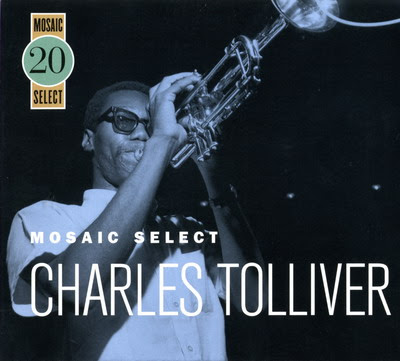
Charles Tolliver
1970-73
These recordings were owned by Tolliver himself, and originally appeared on Strata East, a label he co-founded with the pianist on these dates, Stanley Cowell. The set containing all materials from three original LPs and six unissued tracks:

  • Charles Tolliver Music Inc. Live at Slugs' Volumes One, 1970
  • Charles Tolliver Music Inc. Live at Slugs' Volumes Two, 1970
  • Charles Tolliver Music Inc. Live in Tokyo, 1973


21
Gerry Mulligan
1957-58
Including sessions with Chet Baker, Art Farmer and singer Annie Ross:

  • Reunion, 1957
  • The Playboy Jazz All-Stars, 1957
  • The Gerry Mulligan Songbook, 1957
  • The Genius of Gerry Mulligan, 1957
  • Annie Ross Sings a Song of Mulligan, 1958
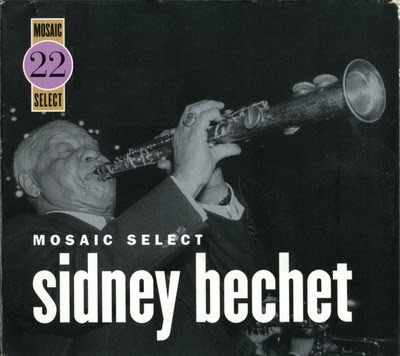


22
Sidney Bechet
1923-47
A Set of recordings from 1923 through 1947, including his later Paris years, for the Columbia family of labels.


23
Andrew Hill
1978
All solo recordings at the Fantasy studios in Berkeley, CA during August and October 1978.
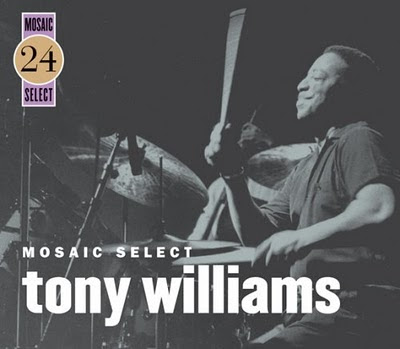


24
Tony Williams
1985-91
A set of five Blue Note solo recordings of Williams:

  • Foreign Intrigue, 1985
  • Civilization, 1987
  • Angel Street, 1989
  • Native Heart, 1990
  • The Story of Neptune, 1992


25
McCoy Tyner
1968-70
This set contains four albums Tyner recorded for Blue Note between August of 1968 and September of 1970, culled from a total of seven sessions:

  • Expansions, 1968
  • Cosmos, 1969-70
  • Extensions, 1970
  • Asante, 1970


26
Bobby Hutcherson
1974-77
Five albums in this collection:

  • Cirrus, 1974
  • Inner Glow, 1975
  • Waiting, 1976
  • The View from the Inside, 1976
  • Knucklebean, 1977


27
Al Cohn, Joe Newman & Freddie Green
1955
In 1955, Al Cohn, Joe Newman and Freddie Green made five superb small group swing albums for RCA with the group size ranging from septet to nonet. This set contains all those five LPs:

  • The Natural Seven [Al Cohn]
  • Jazz Workshop: Four Brass One Tenor [Al Cohn]
  • Mr. Rhythm [Freddie Greene]
  • All I Wanna Do Is Swing [Joe Newman]
  • I'm Still Swinging [Joe Newman]


28
Johnny Mercer
1942-47
In this Mosaic Select, there are 79 Capitol (the label Mercer founded) tracks from the label's birth in 1942 to 1947.


29
Onzy Matthews
1963-65
This set collects two studio albums for Capitol, plus 29 previously unissued Capitol tracks by Matthews:

  • Blues with a Touch of Elegance, 1964
  • Sounds for the '60's, 1966


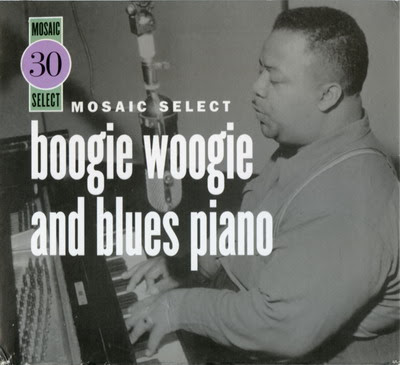
30
Various Artists
1936-41
Fifteen different pianists are featured, including Meade Lux Lewis, Albert Ammons, Pete Johnson and Jimmy Yancey, Freddie Slack, Kenny Kersey, Teddy Wilson, and Mary Lou Williams.


31
Woody Herman
1962-64
Culled from five separate albums plus a 45 pm single from his early 1960s tenure on the Phillips label:

  • Woody Herman 1963, 1962
  • Encore, 1963
  • Woody Herman 1964, 1963
  • The Swinging Herman Herd Recorded Live, 1964
  • Woody's Big Band Goodies, 1964


32
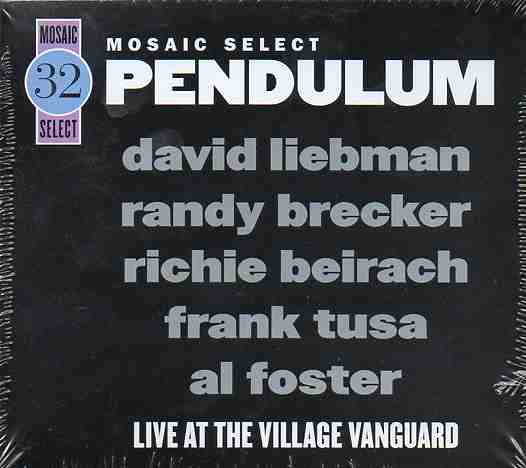
Dave Liebman
1978
Include the complete 1979 issued Pendulum recording, and add two further full-length, previously unissued offerings done at the Village Vanguard.


33
Toshiko Akiyoshi
1974-77
Five studio albums:

  • Kogun, 1974
  • Long Yellow Road, 1974-75
  • Tales Of A Courtesan, 1975
  • Insights, 1976
  • March Of The Tadpoles, 1977


34
Denny Zeitlin
1964-67
Three studio albums have been gathered into one Mosaic Select with 12 previously unissued tunes from the sessions:


  • Cathexis, 1964
  • Carnival, 1964
  • Zeitgeist, 1966-67


35
John Handy
1965-68
This Mosaic Select is devoted to the three albums he made for Columbia that featured violin in the instrumentation, plus a live Carnegie Hall performance from 1967:

  • Live At The Monterey Jazz Festival, 1965
  • The 2nd John Handy Album, 1966
  • Projections, 1968


    36
    John Carter and Bobby Bradford
    1969-79
    This Mosaic Select is compiled of unreleased materials (from 1969, 1971 and 1979) and all tracks from these LPs:

    • Seeking, 1969
    • Secrets, 1972


    37
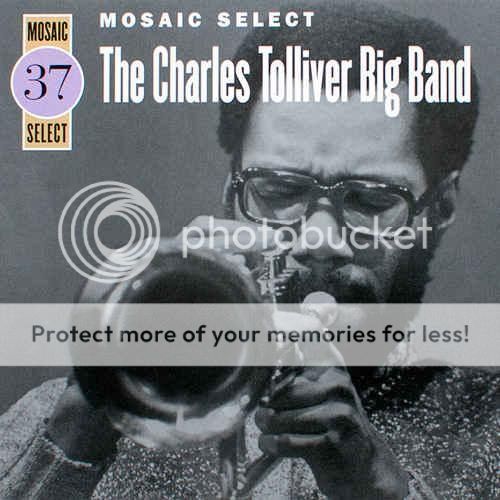
    Charles Tolliver Big Band
    1970-79
    Three recordings, one of them previously unreleased (recorded in Hamburg for NDR), and featuring at least two generation of hard-boppers, including Jon Faddis, Herb Geller, Charles McPherson, George Coleman, Reggie Workman, Curtis Fuller, Jimmy Heath, Clifford Jordan. On the German recording  some of the most eminent Americans residents of Berlin, such as Benny Bailey and Alvin Queen, can be heard.

    • Music Inc. and Big Band, 1971
    • Impact, 1975


    38
    Sam Rivers and The Rivbea Orchestra - Trilogy
    2008-2009
    Not a "select" in the real sense of the word, and three sets of unpublished new materials. "When we heard the album, we called Sam to offer our jaw-dropping praise," writes Mosaic, "he told us essentially there is plenty more where that came from and set about sifting through hours of studio and live recordings to cull the three CDs of previously unreleased material contained in this set. The results are forward-thinking and electrifying."


    Link to a discography of Mosaic "Complete Recordings" Box Sets.


    Last Update: December 14, 2012

    Saturday, April 17, 2010

    Hi-Fly (Jaki Byard, 1962)


    Nat Hentoff Liner Notes for Jaki Byard's Hi-Fly

    While I was still in Boston in the early 1950s, the word spread among the more venturesome young jazzmen that a key source in town for new ideas in both improvising and composing was Jaki Byard. Gradually, Jaki's reputation began to spread through his playing and arranging for the Herb Pomeroy band; and more recently, as a result of a two-year stay with Maynard Ferguson. Jaki left Ferguson in October, 1961, and is now established in New York with his own combo. As a result of his first Prestige album, Here's Jaki, Jaki's originality and two-handed resourcefulness as a pianist are beginning to reach more and more listeners. Now this set should help move Jaki farther along toward the large-scale recognition he has merited for so long. In addition to three originals, Jaki has chosen five compositions from the standard jazz repertory; and his selections illustrate the scope of his background in jazz, ranging from part of James P. Johnson's "Yamecraw Suite" to Randy Weston's "Hi-Fly." Jaki begins with the latter which he likes because "the tempo always seems to sit just right, and the chords move so naturally." Jaki's asymmetrical, dissonant introduction soon eases into an irresistibly pulsating groove. Bassist Ron Carter, who also can be heard on the Here's Jaki album, is a favorite of Jaki's because "he doesn't care what you ask him to do. Some bass players will say they can't do certain things. Ron just goes ahead and does them. Aside from the fact that his time, tone, and technique are brilliant, Ron has a longer vibrato than most bass players, and that leads to more of a relaxed feeling." Pete La Roca has for several years impressed this listener as a particularly alert and crisply imaginative drummer. "I played with him behind Don Ellis at a club," says Jaki, "and Pete fascinated me. He reminds me somewhat of Philly Joe Jones, but he also has a very personal feeling for the beat. He's exceptionally alive as a drummer. He just throws those rhythms in there!" The late Tillie Butterball was a puppy housed by the Byard family from Christmas to last Easter when it expired. "In a way," says Jaki of this intensely vigorous tune, "this is a description of the way the puppy used to bounce around." Perhaps adding to the swirling force of the song is the fact that Jaki composed it during a gig at a bowling alley on Long Island. "As I was working it out," he says, "I could hear the balls rolling and pins falling, and something of those broken rhythms got into the song." Characteristically, Jaki's melodies are buttressed by penetratingly individualistic harmonies. James P Johnson introduced his "Yamecraw Suite" at a 1928 concert in New York. Fats Waller, a musician much admired by Jaki, was the piano soloist. The large orchestral and choral work was made in a film short in the early 1930s. For this album, Jaki excerpted a 12- bar phrase from the suite and constructed his own absorbing variations on that base. "Perry Bradford, the publisher of `Yamecraw'," says Jaki, "approached several other musicians to try the work or parts of it, but oddly, none were interested. Then he came to me, and I was delighted to include it on the date. James P was a fine composer, and his longer works deserve much more than they've received so far." "There Are Many Worlds" is part of one of Jaki's own suites. It consciously reflects an Ellington tinge, and the message of the piece, says Jaki, "is that music is no different from anything else in the sense that there are so many different ways in which to move and grow. The world, in short, is full of bags." In this track and on all the others in the album, I am most struck by Jaki’s enormous vitality, his vivid and often humorous melodic imagination; his bristling beat; his orchestral sense of texture; and his unerring feeling for structure and dynamics. Jaki's a strong pianist, and fortunately he has, in Carter and La Roca, two colleagues who are themselves powerful and flexible enough to blend with him on equal terms. The suite as a whole, incidentally, was originally written for full band and strings; and it would be illuminating to hear Jaki powering as well as being powered by a big band in materials of his own choosing. "Here to Hear," another Byard original, means just that. "I figure," says Jaki, "I'm here to listen and to play. I'm not looking any more for that thunderbolt kind of recognition that comes to some in jazz. I'm just going to continue absorbing what I can and trying to say things in my own way." The tune uses varying meters after a uniquely evocative introduction which sets the self-searching mood of the piece as a whole. The quality of introspection, however, is far from peaceful. "Here to Hear" is a kaleidoscopic play of emotions which range from gentleness to blazing impatience. It seems to me that there are more provocative challenges and substantial invention in this composition than in half a dozen ordinary jazz "originals" combined. Of "Lullaby of Birdland," Jaki says, "I know it's fashionable to put down George Shearing, but I feel he's made a contribution, and this tune of his has certainly lasted. I always get requests for it, and this is very much the way I do it at a club." Byard's interpretation swings with ease, warmth, and as usual, with that full piano sound Byard draws from the instrument. "Round Midnight" is by a composer whom Byard particularly admires. "For me," says Jaki, "the most astounding thing about Monk as a composer is his lyric sense. Monk's pieces could be show tunes. You take a bunch of his originals, and you'd have a good musical. His melodic sense is so strong that you can sing anything he writes; and always, you know it's him." Jaki plays the tune in a way that underlines his own considerable lyric strength, and Ron Carter adds a persuasive solo. Jaki included Oscar Pettiford's "Blues in the Closet" because it's a song that has been closely identified with Bud Powell. "Bud," explains Jaki, "was the main influence for all of us in terms of showing what could be done with single-line playing." The track is one of the most enlivening versions of the tune yet recorded, and it provides Pete La Roca with a chance to display the bracing accuracy of his technique and his fiery imagination. There is also an impressively full-bodied Arco solo by Ron Carter. Jaki Byard, along with playing in and around New York, continues to compose, and hopes eventually to play more often on the concert and college circuit. He also plans to write musicals. Whether or not it is true that the thunderbolt of sudden fame has missed Jaki, expect that his reputation will continue to grow on so solid a base of accomplishment that in a few years, it will suddenly occur to many jazz listeners that Jaki has been a major jazz figure for quite a long time, no matter what the polls have said.
    —Nat Hentoff